
Sinigang na Baboy – Authentic Filipino Tamarind Soup
95 min
Filipino food is comfort food — braised, soured, sizzled, and always served with rice. These are dishes I keep coming back to, now written so you can too.
Filipino home cooking is the most underrepresented cuisine in the English-speaking food world relative to how extraordinary it is. It is built around sour, savoury, and umami — vinegar is the defining ingredient of the cuisine, appearing in adobo, sinigang, kare-kare dipping sauce, and most marinades.
Filipino cooking is also a cuisine of contrasts — crispy and tender (lechon kawali), sour and rich (sinigang), sweet and savoury (tocino).
It draws influence from Spanish colonisation (tomato-based stews, cured meats), Chinese immigration (pancit noodles, lumpia), and Malay cooking (coconut milk, fermented shrimp paste). The result is one of the most complex and deeply satisfying cuisines in Asia.
Adobo braising: Filipino adobo is a braising technique, not a sauce. Protein — usually chicken or pork — is simmered in a mixture of vinegar, soy sauce, garlic, bay leaves, and black peppercorns until the liquid reduces to a glossy glaze. The vinegar is the key — it tenderises the meat, preserves it, and provides the sharp sour note that defines adobo. The ratio is approximately 1 part vinegar to 1 part soy sauce with enough water to submerge the protein.
Souring with tamarind: Sinigang is a sour tamarind broth soup — the sourness comes from tamarind, calamansi, or green mango depending on the region. The technique is to build a savoury broth first (pork or shrimp), then add the souring agent gradually and taste until the sourness is sharp but not overwhelming. Vegetables are added at the end and cooked just until tender. Read the complete tamarind guide to understand how to prepare and use it.
Crispy skin technique: Lechon kawali (crispy pork belly) requires boiling the pork belly until tender, drying it completely — ideally overnight in the refrigerator uncovered — and then deep frying in oil hot enough to immediately bubble violently when the pork is added. The dry skin blisters and crisps in 8 to 10 minutes. Any moisture remaining on the skin prevents crisping and causes dangerous oil splatter.
Pancit noodle cooking: Filipino pancit uses either rice noodles (bihon) or egg noodles (canton) stir-fried with vegetables and protein in a savoury sauce. The technique is to par-cook the noodles in broth rather than water — this adds flavour directly into the noodles rather than just the sauce.
95 min

110 min
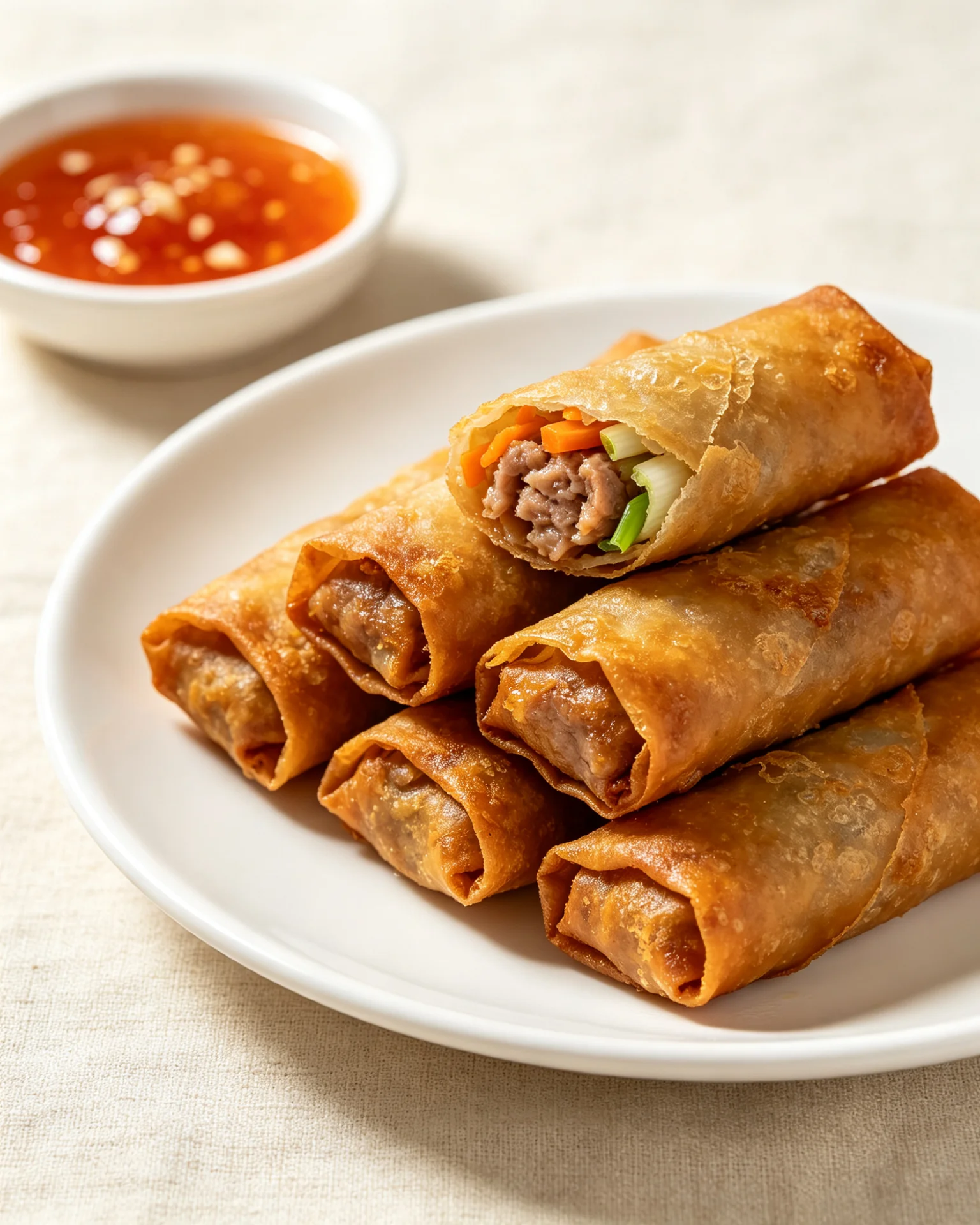
50 min

55 min

65 min

55 minutes
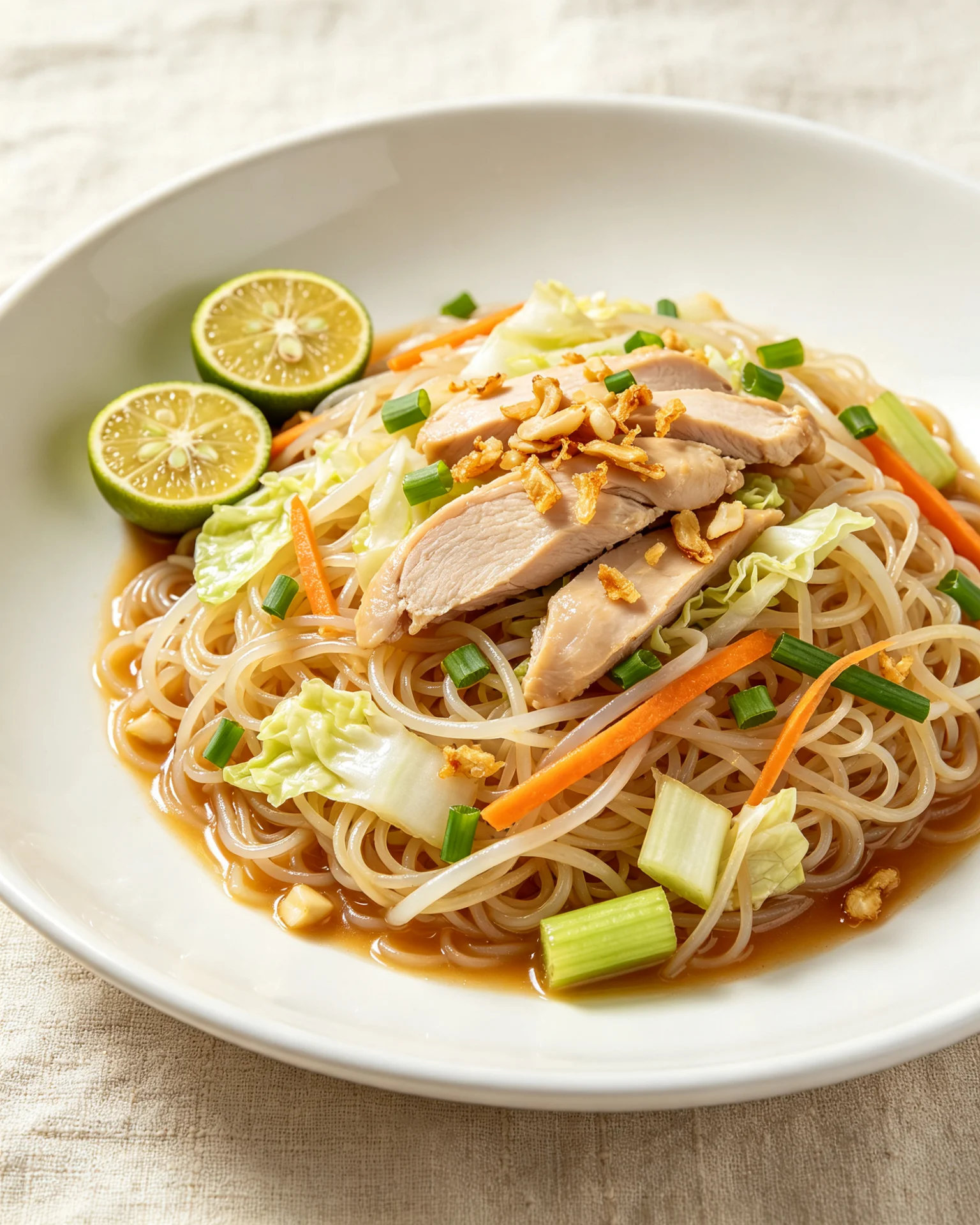
40 min

75 min

1 hr 5 min
Check out my complete guides to Thai, Filipino, and Vietnamese home cooking, pantry essentials, and techniques.
READ THE GUIDESFilipino adobo is a braising technique — protein simmered in vinegar, soy sauce, garlic, bay leaves, and black peppercorns until the liquid reduces to a glaze. Spanish adobo is a marinade of vinegar, garlic, oregano, and smoked paprika. Mexican adobo is a chili-based sauce used for marinating and braising. The Filipino version is unique in its combination of vinegar and soy sauce and its reduction to a glossy, concentrated finish.
Sinigang is a sour tamarind broth soup with pork, shrimp, or fish and vegetables — the defining characteristic is the sharp sourness from tamarind or calamansi. Tinola is a clear ginger broth soup with chicken, green papaya, and chili leaves — it is mild, warming, and subtle. Sinigang is bold and assertive. Tinola is gentle and restorative.
Yes. Substitute equal parts fresh lime juice and fresh orange juice — the combination approximates calamansi's sweet-sour flavour profile. Pure lime juice is too sharp. Pure orange juice is too sweet. The combination is close enough for cooking purposes though not identical to fresh calamansi.
Bagoong is fermented shrimp paste — deeply pungent, intensely savoury, and rich in umami. In Filipino cooking it is used as a condiment alongside kare-kare (peanut stew), as a seasoning in vegetable stir-fries, and mixed with tomatoes and calamansi as a dipping sauce. A small amount adds significant depth. It is an acquired taste but essential for authentic Filipino flavour.