Chinese Cuisine

Chinese food is where I started — stir-fries, dumplings, braises, and everything in between. These are the recipes I've tested most, broken most, and know best.

What is Chinese home cooking?

Chinese home cooking is not Chinese restaurant food. It is faster, simpler, and built around a handful of techniques that produce extraordinary results from ordinary ingredients.

A Chinese home cook does not spend hours on elaborate dim sum every night — they stir-fry vegetables in 8 minutes, braise pork belly on Sunday and eat it three ways through the week, and keep a pot of congee ready for whenever someone needs comfort.

The three pillars of Chinese home cooking are wok technique, sauce construction, and ingredient preparation. Master those three and every Chinese recipe on this site becomes accessible.

What are the essential Chinese cooking techniques?

Stir-frying: Chinese stir-frying requires high heat, a small amount of oil, and ingredients cut to the same size so they cook in the same time. The goal is wok hei — the smoky, slightly charred flavour that comes from cooking over intense heat. At home, achieve this by preheating your wok until it smokes before adding oil, cooking in small batches so the temperature does not drop, and never crowding the pan.

Braising: Chinese braising uses soy sauce, rice wine, and aromatics (ginger, garlic, star anise, cinnamon) to build deep flavour over low, slow heat. Pork belly, beef brisket, and tofu all benefit from Chinese braising. The braising liquid reduces into a glossy sauce that concentrates over the cooking time.

Velveting: Velveting is the Chinese technique of marinating protein in cornstarch, egg white, and rice wine before cooking. It creates the silky, tender texture that defines restaurant-quality Chinese dishes. At home, velvet chicken or beef by coating in cornstarch and a small amount of oil, then blanching briefly before stir-frying.

Sauce construction: Most Chinese stir-fry sauces follow a ratio — 2 parts soy sauce, 1 part rice wine or rice vinegar, 1 part sesame oil, with sugar and cornstarch to taste. Mix the sauce before cooking starts. Never add ingredients to the wok one by one — the heat moves too fast.

What do you need in a Chinese pantry?

  • Soy sauce — light soy sauce for seasoning and marinades, dark soy sauce for colour and depth in braises.
  • Oyster sauce — thick, rich, slightly sweet. The backbone of most Chinese stir-fry sauces. For a complete guide to this ingredient, see What is oyster sauce and when do you use it?
  • Sesame oil — finishing oil only. Added at the end of cooking, never used as a cooking fat.
  • Rice wine (Shaoxing wine) — used in marinades and sauces. Adds depth without overpowering. Substitute dry sherry if unavailable. For a complete guide to this ingredient, see What is Shaoxing wine and can you substitute it?
  • Rice vinegar — mild, slightly sweet. Used in dipping sauces and cold dishes.
  • Cornstarch — used for velveting proteins and thickening sauces.
  • Ginger — fresh only. Used in almost every Chinese dish as an aromatic base.
  • Garlic — fresh only. Never garlic powder in Chinese cooking.
  • Doubanjiang (chili bean paste) — the backbone of Sichuan cooking. Fermented, spicy, deeply savoury.
  • Five spice powder — used in braises and marinades. Contains star anise, cloves, Chinese cinnamon, Sichuan pepper, and fennel.
  • White pepper — sharper and more floral than black pepper. Used in soups, congee, and fried rice.
Bang Bang Chicken Skewers Recipe

Bang Bang Chicken Skewers Recipe

30 min

How To Cook Sweet & Sour Chicken That’s Addictively Delicious

How To Cook Sweet & Sour Chicken That’s Addictively Delicious

35 minutes

Quick Chicken Buns Recipe

Quick Chicken Buns Recipe

BBQ Pork Fried Rice Recipe: Better Than Takeout

BBQ Pork Fried Rice Recipe: Better Than Takeout

20 min

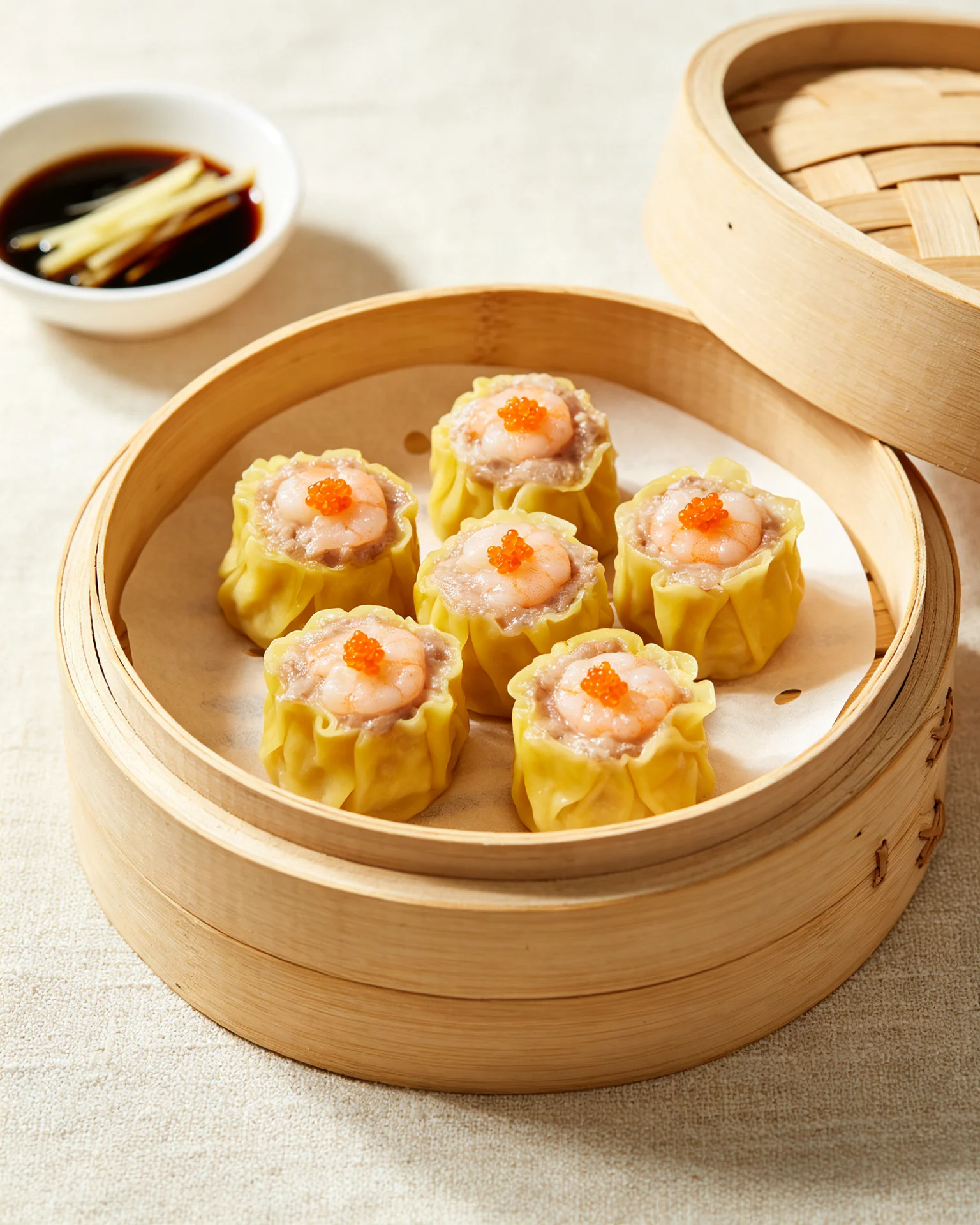
Pork and Shrimp Siu Mai Recipe (烧卖)

Pork and Shrimp Siu Mai Recipe (烧卖)

55 min

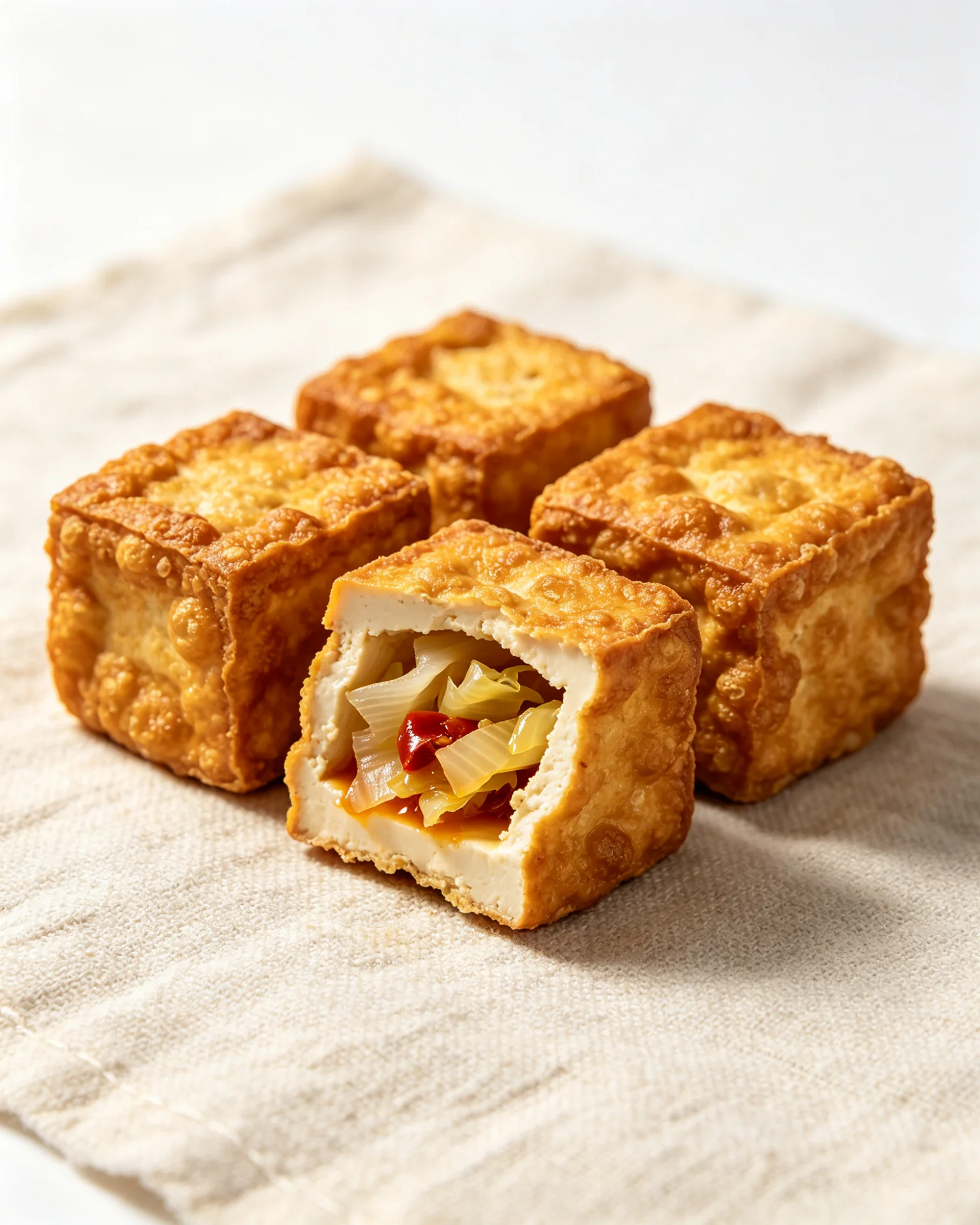
Stinky Tofu Recipe (臭豆腐 / Chou Doufu)

Stinky Tofu Recipe (臭豆腐 / Chou Doufu)

48 hr 40 min

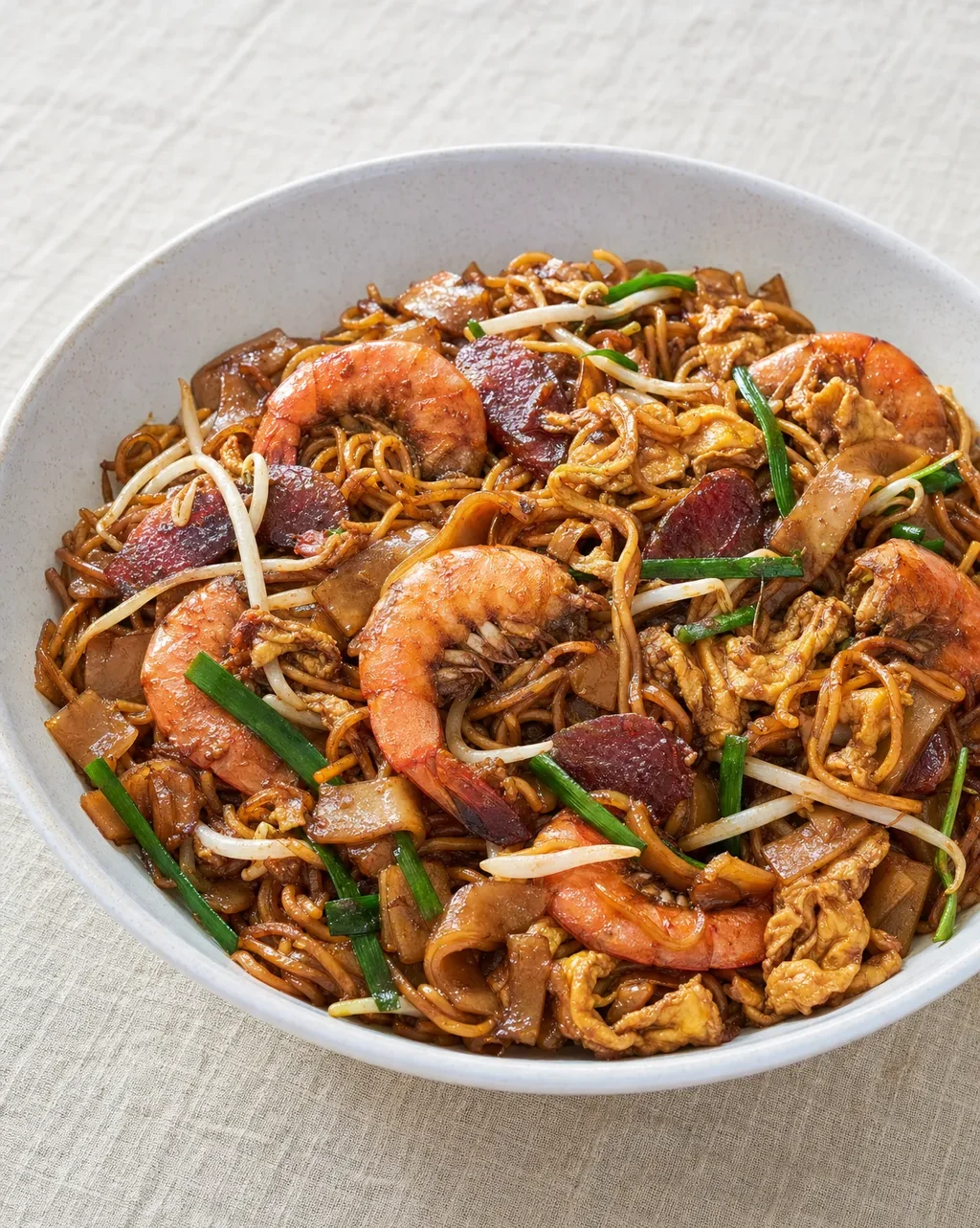
Char Kway Teow Recipe (Penang Style)

Char Kway Teow Recipe (Penang Style)

30 min

How to Make Crispy Spicy Tofu Steak in 5 Simple Steps

How to Make Crispy Spicy Tofu Steak in 5 Simple Steps

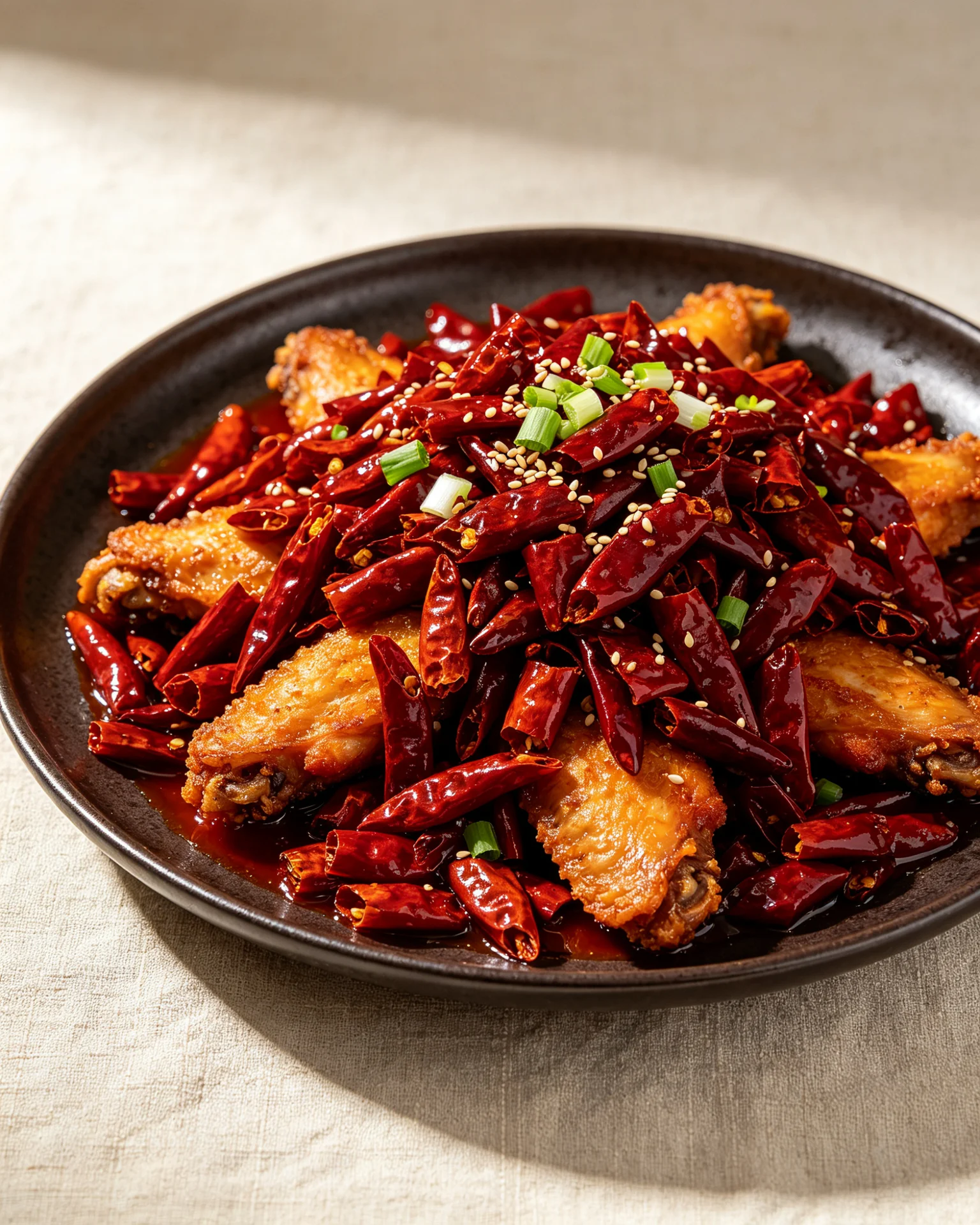
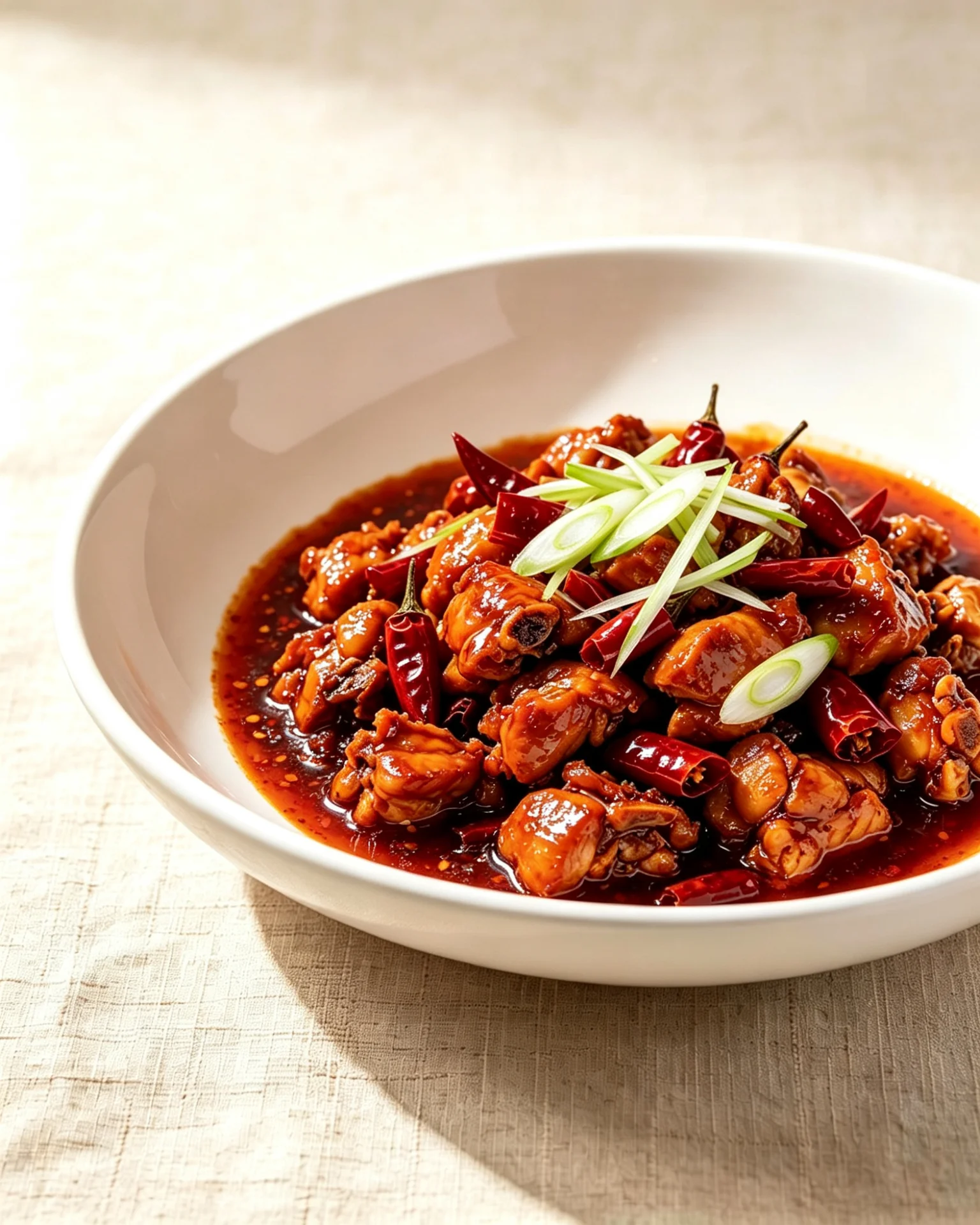
Chongqing Chicken Wings (La Zi Ji / 辣子鸡

Chongqing Chicken Wings (La Zi Ji / 辣子鸡

1 hr

How to Make Authentic Chinese Scallion Pancakes

How to Make Authentic Chinese Scallion Pancakes

32 minutes

How to Make Pork Dumplings at Home

How to Make Pork Dumplings at Home

60 min

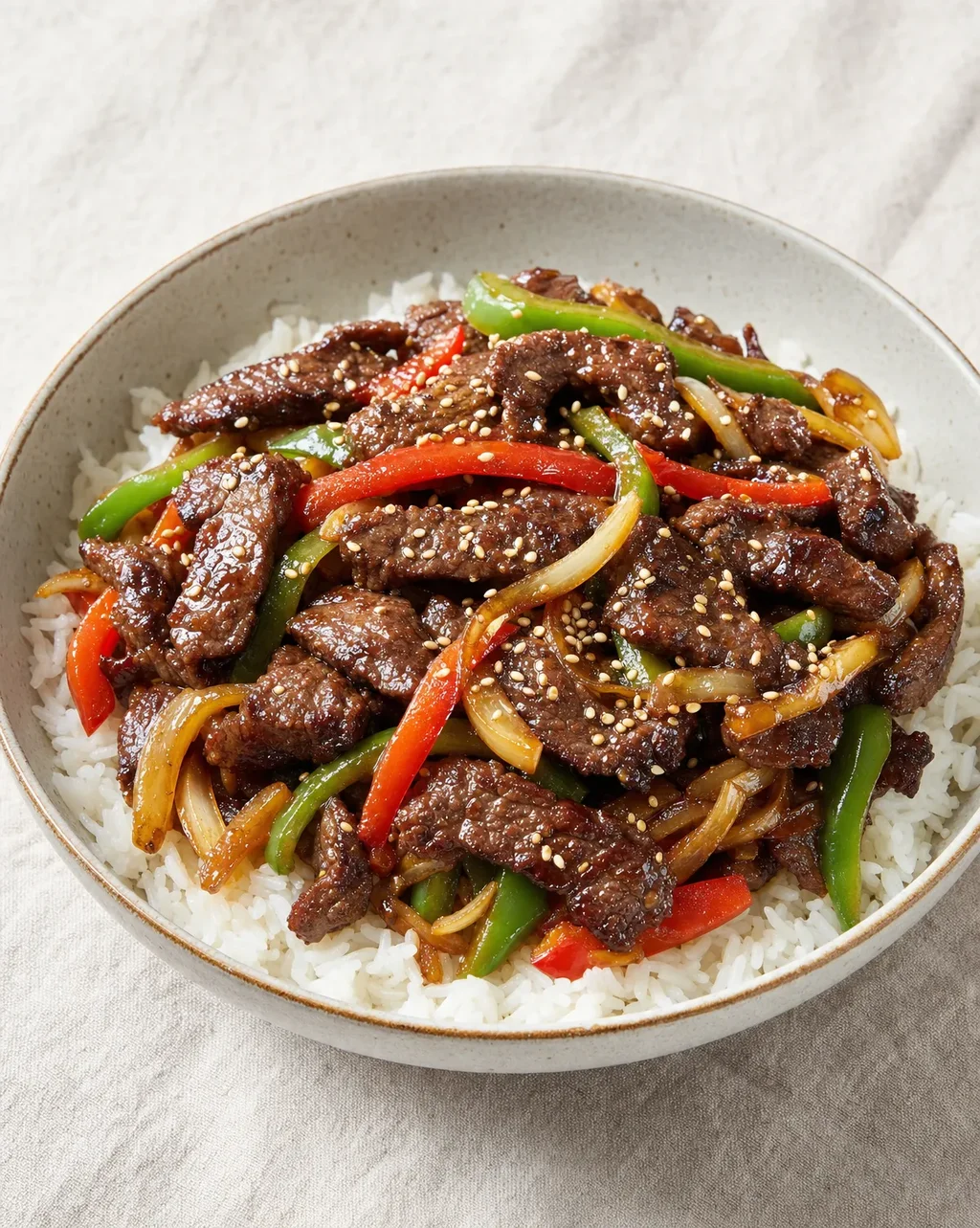
 Pepper Steak Stir Fry Recipe (Chinese Style)

Pepper Steak Stir Fry Recipe (Chinese Style)

50 min

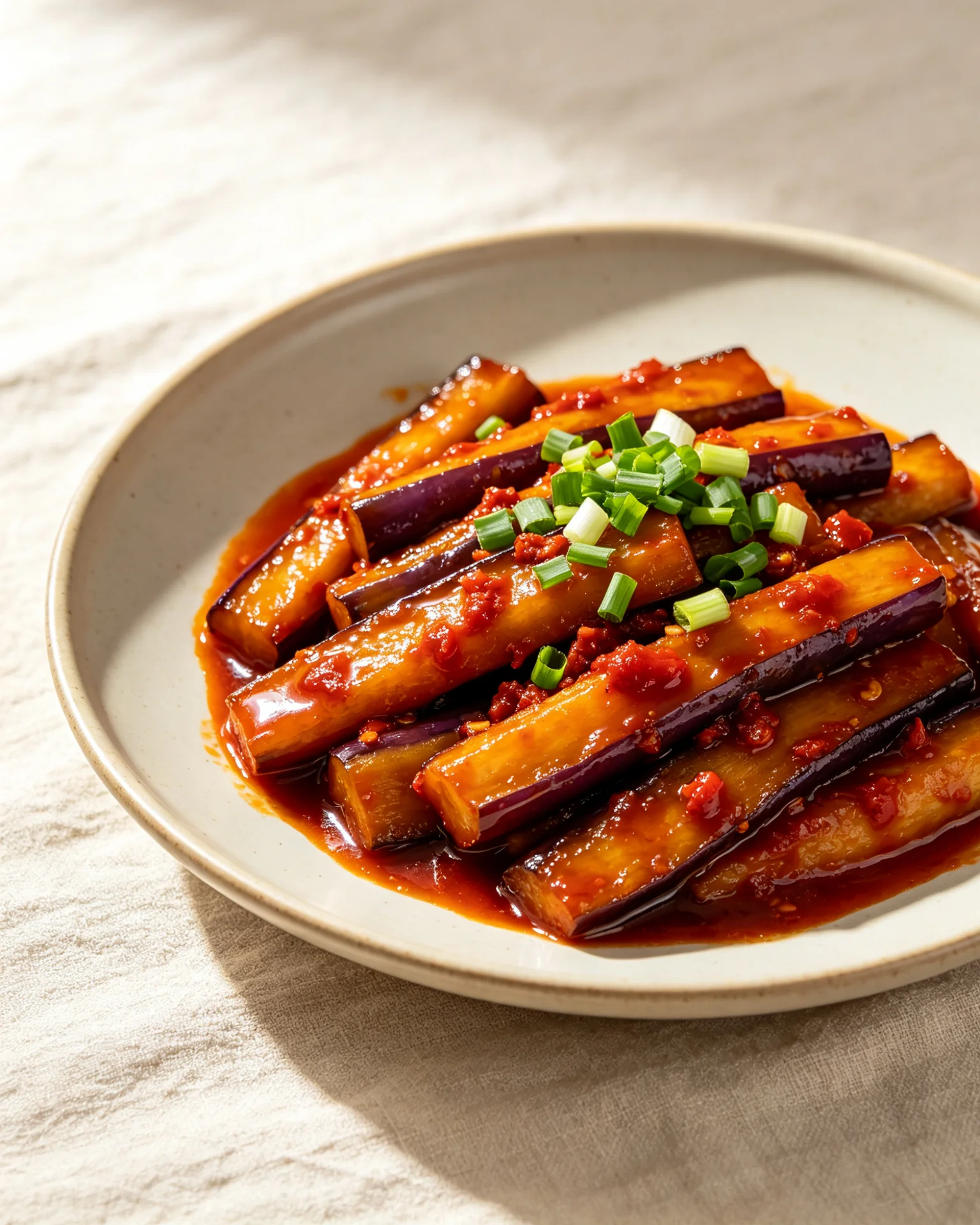
Chinese Eggplant with Garlic Sauce (鱼香茄子)

Chinese Eggplant with Garlic Sauce (鱼香茄子)

35 min

How to Make Moo Goo Gai Pan at Home in 30 Minutes

How to Make Moo Goo Gai Pan at Home in 30 Minutes

25 minutes

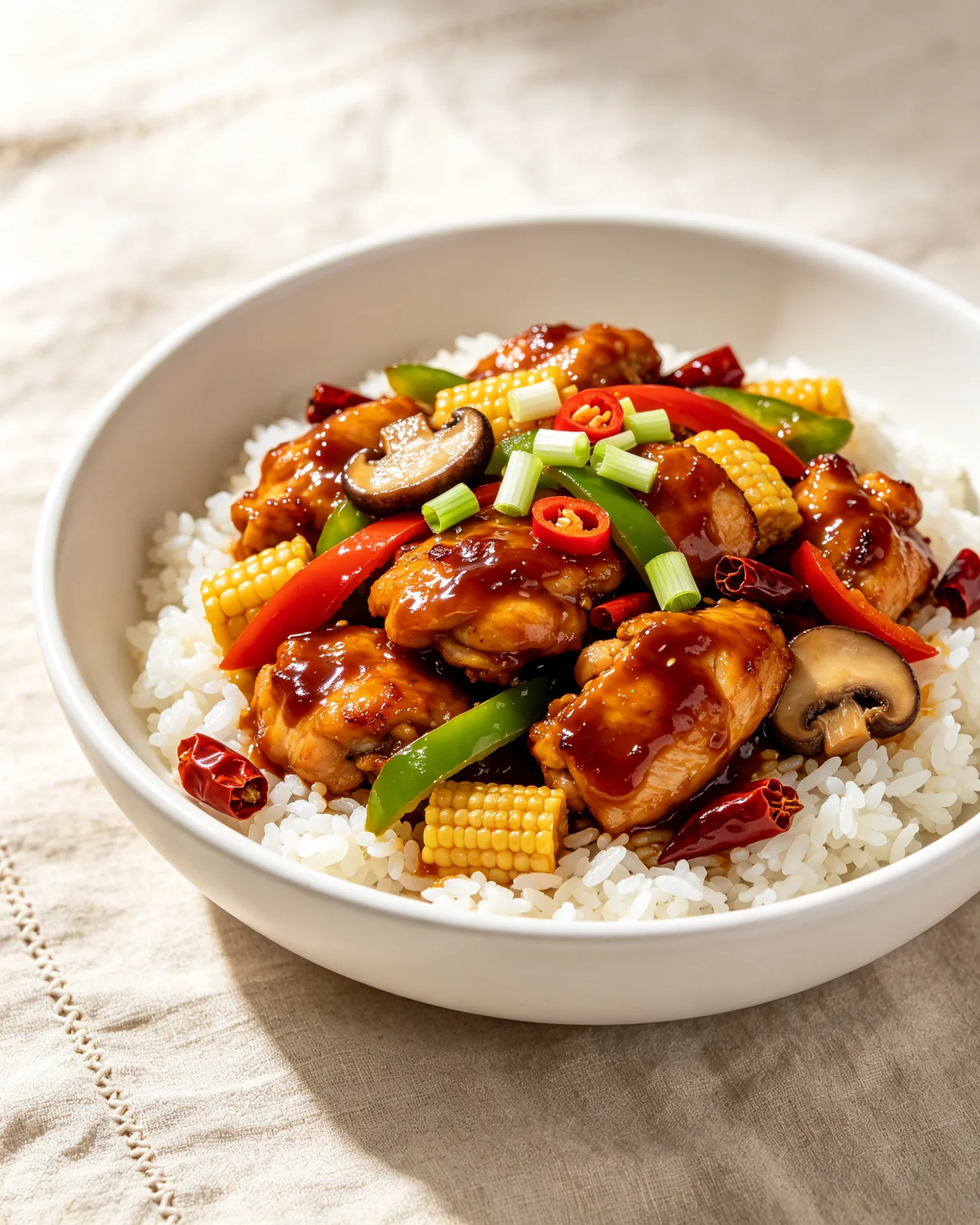
Hunan Chicken Recipe (Chinese Style)

Hunan Chicken Recipe (Chinese Style)

50 min

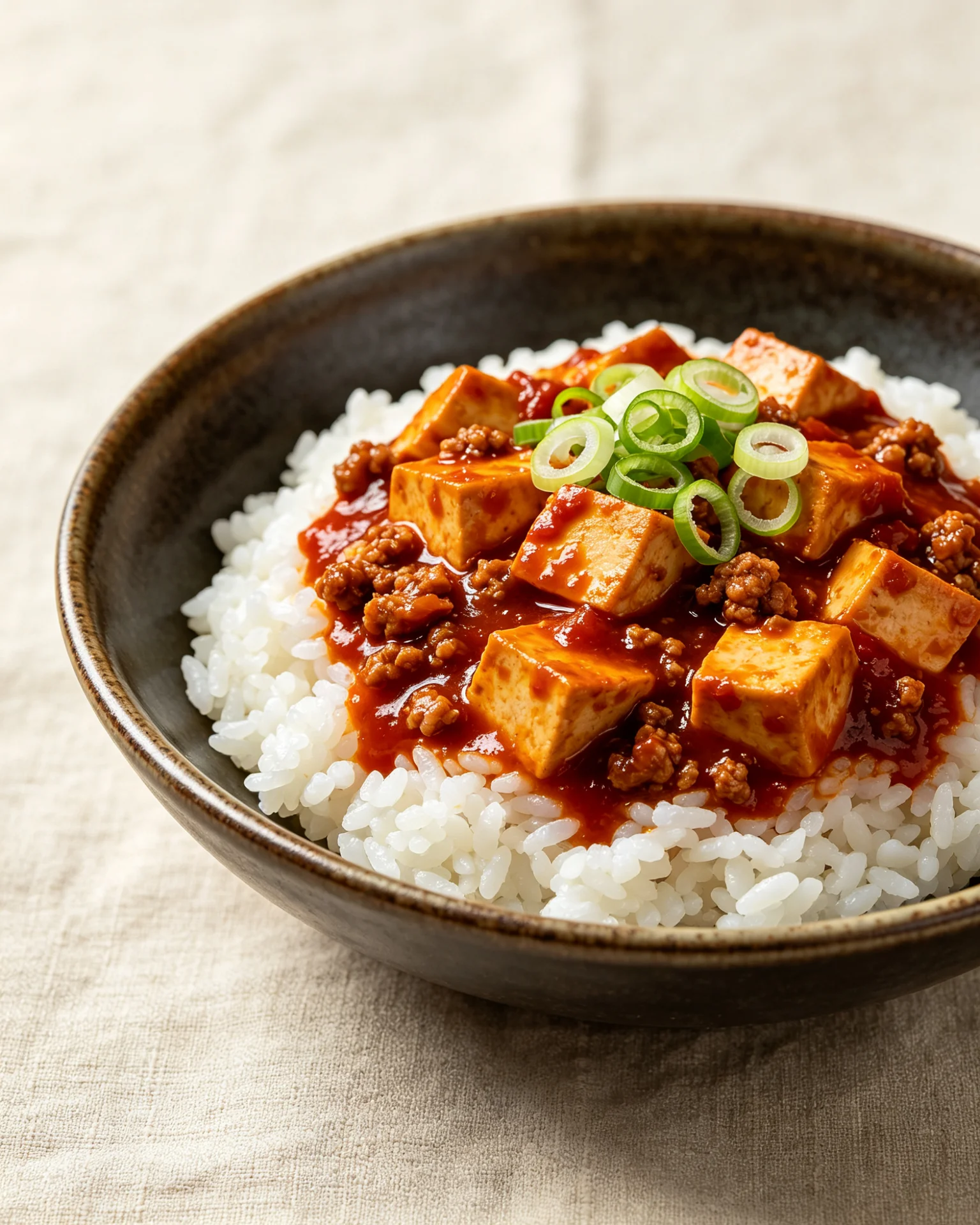
Mapo Tofu Recipe (麻婆豆腐)

Mapo Tofu Recipe (麻婆豆腐)

35 min

Sichuan Chicken Recipe (Spicy Stir Fry)

Sichuan Chicken Recipe (Spicy Stir Fry)

50 min

Char Siu (Chinese BBQ Pork)

Char Siu (Chinese BBQ Pork)

55 minutes

Easy Ma La Xiang Guo At Home

Easy Ma La Xiang Guo At Home

Classic Cantonese Shrimp and Bell Pepper Stir Fry in Wok Sauce

Classic Cantonese Shrimp and Bell Pepper Stir Fry in Wok Sauce

20 min

Sweet and Sour Pork Recipe – Crispy & Tangy Chinese

Sweet and Sour Pork Recipe – Crispy & Tangy Chinese

General Tso's Chicken – Crispy Chinese Takeout Recipe

General Tso's Chicken – Crispy Chinese Takeout Recipe

Orange Chicken Recipe

Orange Chicken Recipe

50 min

Quick and Easy Dim Sum Recipes for Weekend Brunch

Quick and Easy Dim Sum Recipes for Weekend Brunch

38 min

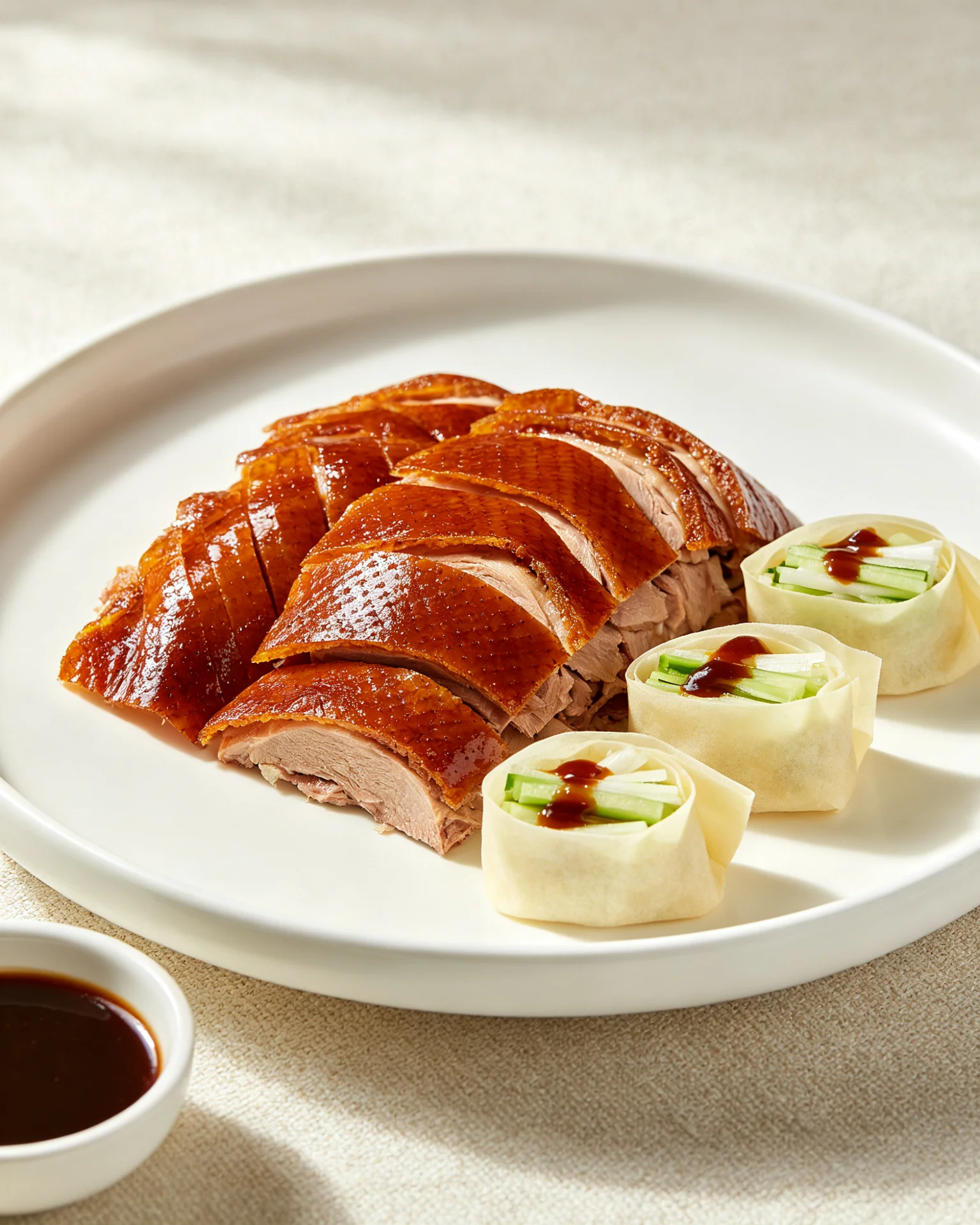
Peking Duck Recipe (北京烤鸭)

Peking Duck Recipe (北京烤鸭)

26 hr (includes 24-hour refrigerator dry)
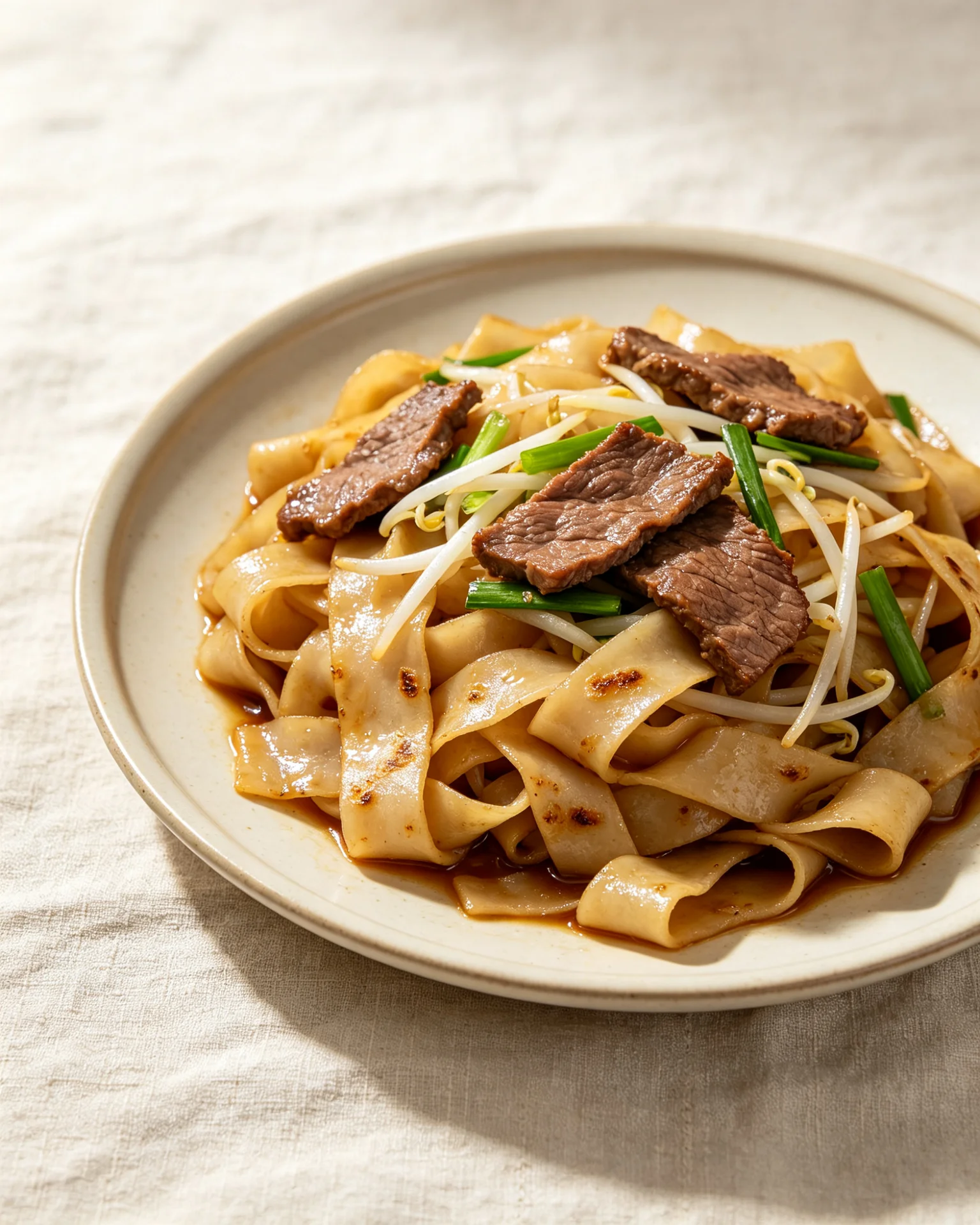
Beef Chow Fun Recipe (干炒牛河)

Beef Chow Fun Recipe (干炒牛河)

55 min

 Cantonese Congee Recipe (Jook / 粥)

Cantonese Congee Recipe (Jook / 粥)

1 hr 40 min

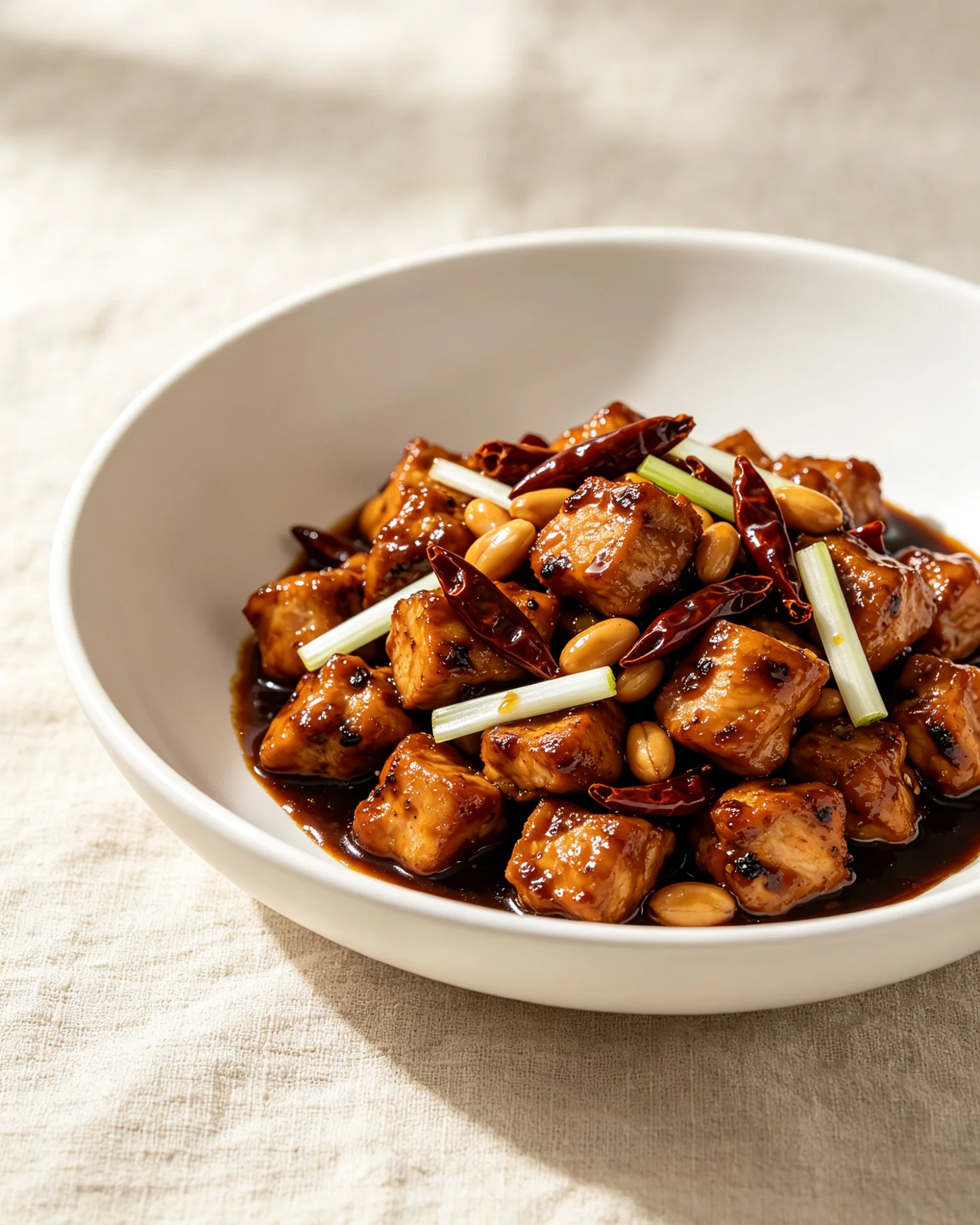
Kung Pao Chicken Recipe (Gong Bao Ji Ding)

Kung Pao Chicken Recipe (Gong Bao Ji Ding)

35 min

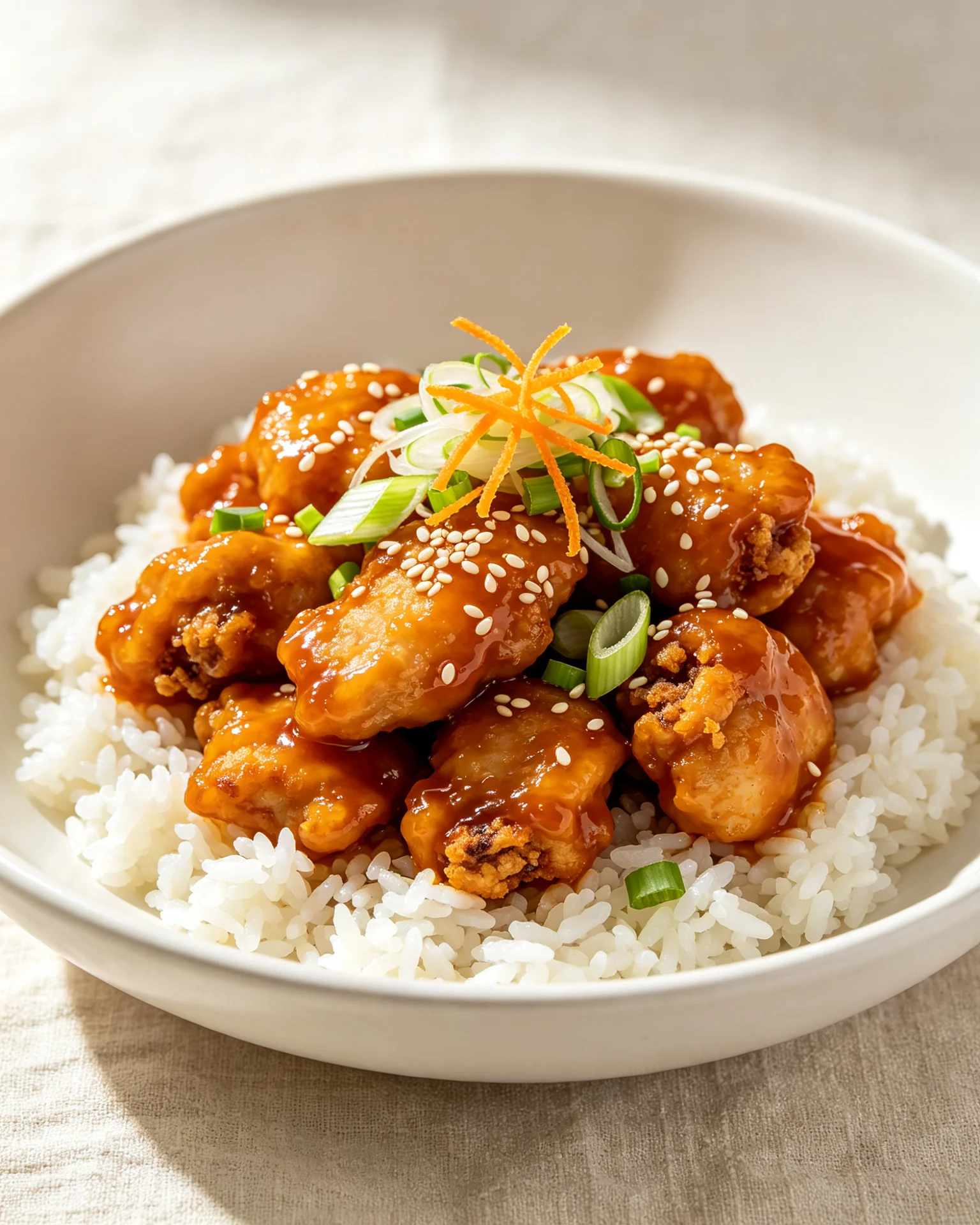
How to Make Sweet and Savory Sesame Chicken

How to Make Sweet and Savory Sesame Chicken

23 minutes

Chinese Beef Stir Fry Recipe (Oyster Sauce)

Chinese Beef Stir Fry Recipe (Oyster Sauce)

50 min

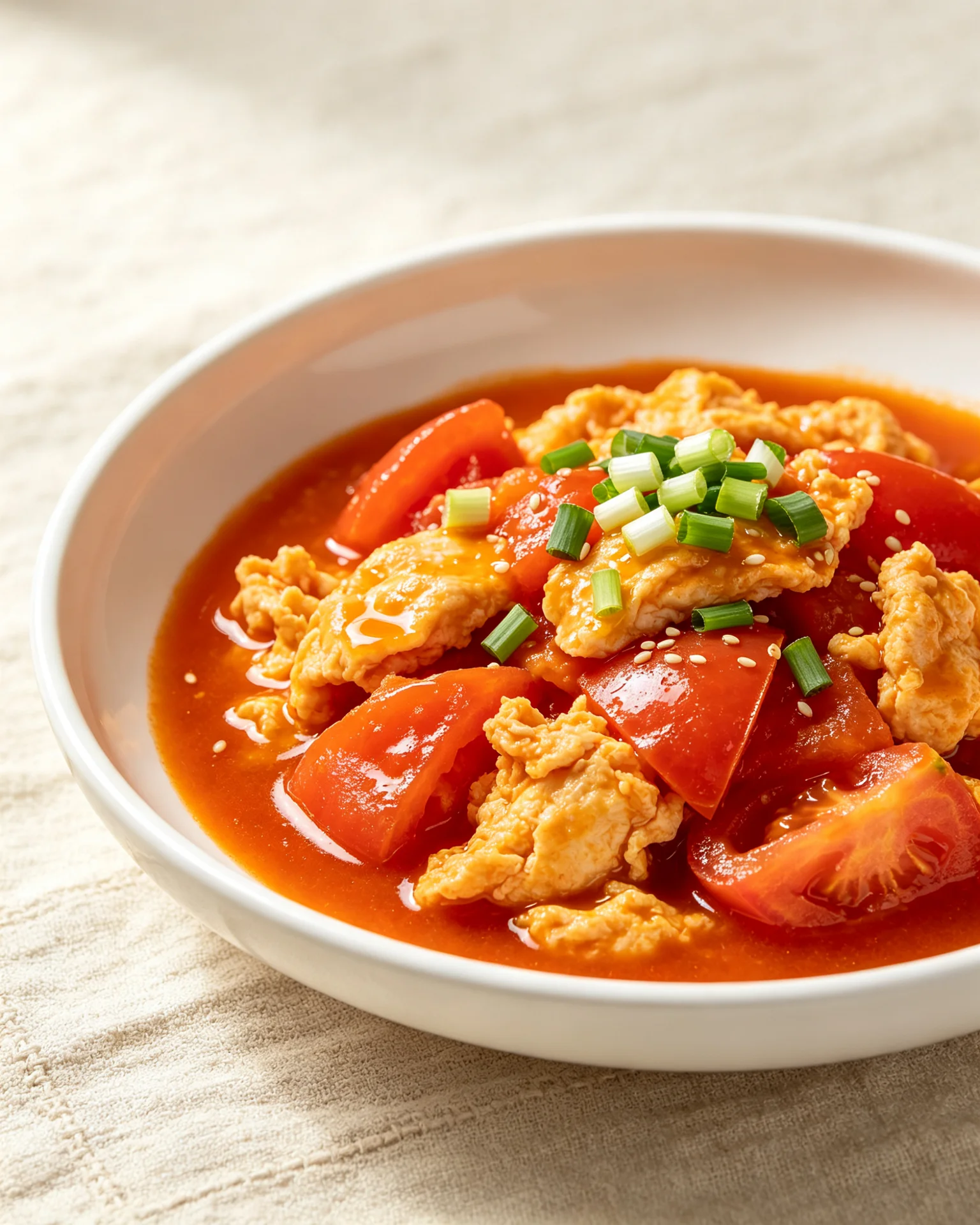
Chinese Tomato Egg Stir Fry Recipe (番茄炒蛋)

Chinese Tomato Egg Stir Fry Recipe (番茄炒蛋)

15 min

Love Chinese food?

Check out my complete guide to Chinese home cooking, wok techniques, and essential pantry ingredients.

READ THE GUIDE

What is wok hei and can you get it at home?

Wok hei is the smoky, lightly charred flavour that comes from cooking over very high heat in a seasoned wok. At home, achieve it by preheating your wok until it begins to smoke before adding oil, cooking in small batches so the pan stays hot, and working quickly. A carbon steel wok on a gas burner gets closest to restaurant results. Electric hobs reduce wok hei significantly but do not eliminate it.

What is the difference between light and dark soy sauce?

Light soy sauce is thinner, saltier, and used for seasoning and marinades. Dark soy sauce is thicker, less salty, and used primarily for colour — it turns braises and fried rice a deep mahogany brown. Most Chinese recipes use both. If a recipe calls for soy sauce without specifying, use light soy sauce.

Can I make Chinese stir-fry without a wok?

Yes. A large, heavy stainless steel or cast iron skillet works. The key is high heat and small batches — never fill the pan more than halfway, cook each ingredient separately if needed, and combine at the end. The result will not have the same wok hei but will be close in flavour.

What is velveting and why does it matter?

Velveting is coating protein in cornstarch, egg white, and rice wine before cooking. It creates the silky, tender texture of restaurant-quality Chinese dishes. Without it, chicken and beef cooked at high heat become tough. With it, they stay soft regardless of cooking time. Velvet any protein you plan to stir-fry — it takes 15 minutes and makes a significant difference.