Traditional Dim Sum at Home Guide with Classic Steaming Recipes

Steaming bamboo baskets stacked high over a roaring wok. Gossamer wheat starch skins revealing sweet pink prawns. Golden pork and shrimp siu mai crowned with bright orange roe. Fragrant lotus leaves unrolling to release chicken scented sticky rice. That is the soul of Cantonese yum cha. Yum cha translates literally as drinking tea. The morning feast originated along ancient Silk Road trade routes where teahouses served refreshing pots of jasmine and pu erh alongside delicate savory morsels called dim sum, which means touching the heart. Today, Cantonese families gather every weekend for unhurried meals where rolling carts weave between bustling tables.
Recreating an authentic dim sum feast in your own kitchen seems intimidating until you master steamer physics and wrapper starch chemistry. My first independent attempt at making dim sum was a soggy disaster. I crowded fourteen dumplings into a metal steamer insert, placed it over cold water, and clamped a stainless steel lid directly on top. Heavy water droplets condensed on the metal roof, raining straight down onto my delicate har gow. The dough turned into slimy, deflated mush that welded permanently to the metal rack. Learning to manage steam heat and switching to breathable woven bamboo completely transformed my cooking. If you want to master the foundational broths, wok heat, and regional pantry sauces that anchor Cantonese cuisine, explore our ++complete Chinese culinary guide++ before you fire your stove.
Two Piece Bamboo Steamers Regulate Moisture and Prevent Soggy Wrappers
The single most critical piece of dim sum equipment is a multi tiered bamboo steamer measuring ten to twelve inches across. Metal pots fail because steam hits the cold metal lid, condenses into heavy liquid water, and drips straight back down onto your delicate pastry skins. Bamboo lids breathe naturally. The woven reeds absorb excess vapor and let steam circulate through micro channels, keeping dumpling skins plump and moist without turning them waterlogged.
Always bring your wok water to a vigorous rolling boil before placing the steamer baskets on top. Steam must hit the raw starch at full thermal momentum to set the wrapper shapes immediately. Fill your wok with roughly two inches of water, ensuring the liquid level sits at least one inch below the bottom wooden slats. Keep an electric kettle filled with boiling water nearby to replenish the wok reservoir, because adding cold tap water drops the internal temperature and causes dough skins to slump.
Line each woven tier with perforated parchment paper circles or blanched napa cabbage leaves. Never place raw dough directly on bare bamboo, or the starch will bond to the wood fibers. Arrange dumplings with at least one inch of breathing room between them. Steam requires unobstructed paths to flow upward through the stacked baskets, cooking multiple dishes simultaneously in seven to nine minutes.
Boiling Water Gelatinizes Wheat Starch for Translucent Har Gow Dough
True har gow skins do not use ordinary wheat flour. Standard flour contains gluten forming proteins that produce opaque, stretchy, bread like wrappers. Authentic crystal dumpling skins require pure wheat starch, known as cheng mian, combined with tapioca starch.
Wheat starch provides pure white clarity, while tapioca starch supplies elasticity so the dough can stretch around succulent fillings without tearing. According to ++starch gelatinization research on PubMed++, tapioca starch exhibits higher swelling power and granule rupture thresholds than standard starches. Hydrating these starches demands boiling water poured at one hundred degrees Celsius.
Pouring boiling water over the dry starch blend instantly ruptures starch granules, causing immediate gelatinization into a translucent, cohesive paste. Using lukewarm or cold water fails completely, leaving a crumbly slurry that cracks upon folding. Stir the boiling water into the starch with wooden chopsticks until shaggy, work in one teaspoon of neutral oil, and knead the warm mass with gloved hands for three minutes until glossy. Rest the dough under a damp kitchen towel for ten minutes so moisture equalizes across the starch network before shaping.
Alkaline Brining and Hand Mincing Yield Snappy Restaurant Style Fillings
Biting into a restaurant har gow or siu mai delivers an unmistakable bouncy snap rather than a mushy chew. Achieving that signature Cantonese bite requires two essential prep techniques.
First, treat raw peeled prawns to a quick alkaline brine. Toss three hundred grams of raw shrimp with one quarter teaspoon of baking soda and one teaspoon of salt, resting for fifteen minutes in the refrigerator before rinsing thoroughly under ice cold water. The alkaline treatment raises muscle pH, preventing protein fibers from clumping tightly during steaming and preserving juicy springiness.
Second, avoid using electric food processors. High speed blades obliterate delicate seafood fibers into a lifeless paste. Instead, divide your seafood into two portions. Finely paste two thirds of the prawns using the flat side of a heavy cleaver, and roughly chop the remaining one third into pea sized chunks. Combine the textures with minced bamboo shoots, toasted sesame oil, premium soy sauce, white pepper, and cornstarch. Beat the filling vigorously in a single clockwise direction for three minutes until proteins unravel into a sticky, emulsified matrix.
Open Top Siu Mai Offer the Most Forgiving Starting Point for Beginners
If you are intimidated by pleating delicate wheat starch dough, begin your journey with Cantonese siu mai. These cylindrical open topped dumplings use thin commercial yellow wonton wrappers, eliminating the need to mix dough from scratch.
Authentic siu mai filling requires fatty pork mince with thirty percent fat content combined with chopped sweet shrimp and reconstituted dried shiitake mushrooms. The fat lubricates the meat matrix during steaming, ensuring the interior remains luscious rather than dry. Season the filling with oyster sauce, Shaoxing rice wine, white pepper, and a touch of sugar.
To shape, cup a round wonton skin loosely in your non dominant hand. Spoon a generous tablespoon of filling directly into the center. Gather your fingers upward around the wrapper, squeezing the waist gently to form an open cylinder with the meat filling mounded proudly across the top. Tap the base lightly against your cutting board so the dumpling stands completely flat. Garnish the exposed top with a tiny cube of carrot or bright orange flying fish roe before steaming over parchment paper for nine minutes.
Silky Cheung Fun Rice Noodle Sheets Demand Delicate Heat Control
Steamed rice noodle rolls, known as cheung fun, represent the most delicate texture on any Cantonese dim sum table. Achieving gossamer thin sheets requires whisking rice flour with tapioca starch, cornstarch, salt, and cold water into a runny, milk like batter.
Resting the batter for fifteen minutes allows dry starch particles to hydrate fully, preventing gritty settling at the bottom of the bowl. Brush a shallow rectangular metal baking pan lightly with neutral oil, pour roughly eighty milliliters of batter across the surface, and tilt the tray so a paper thin veil coats the metal evenly.
Float the tray directly inside your steaming wok over roaring heat. Cover and steam for five minutes until the surface bubbles and turns translucent. Immediately remove the hot tray, scatter poached prawn halves or seasoned minced beef across the noodle sheet, and use a wide flexible bench scraper to roll the slippery sheet into a tidy cylinder. Drizzle with a warm sauce of light soy, oyster sauce, sugar, and toasted sesame oil before serving immediately.
Steamed Lotus Leaf Lo Mai Gai Delivers Earthy Tea House Comfort
Lo mai gai provides the hearty centerpiece of a dim sum feast. Glutinous sweet rice absorbs the rich braising juices of chicken thighs, sweet Chinese lap cheong sausage, rehydrated shiitake mushrooms, and salted egg yolks, all sealed inside dried lotus leaves.
Soak large dried lotus leaves in warm water for one hour until completely pliable. Steam pre soaked sweet glutinous rice for twenty five minutes, then toss the hot grains with oyster sauce, dark soy sauce, and rich chicken stock until every grain turns amber and glossy.
Lay a lotus leaf smooth side down on your prep surface. Mound half a cup of seasoned rice in the center, indent a deep well, and fill with stir fried chicken, lap cheong slices, and rich salted egg yolk. Cap the filling with another layer of rice, folding the fragrant lotus leaf over the filling to create a tight rectangular parcel. Steam in your bamboo baskets for forty five minutes. When unwrapped at the table, the leaves release a rich, grassy aroma that perfumes the entire room.
Crisp Flaky Dan Tat Custard Tarts Round Out the Morning Feast
No Cantonese morning tea concludes without warm dan tat egg tarts fresh from the oven. These iconic pastries feature crisp shortcrust or layered puff pastry shells holding a mirror smooth, lightly trembling yellow custard.
The secret to blemish free custard lies in gentle mixing and fine straining. Whisk whole eggs lightly with warm sugar syrup, evaporated milk, and a drop of vanilla extract, taking care not to whip air bubbles into the liquid. Pour the custard through a fine mesh sieve twice to remove egg chalazae and foam.
Pour the silky liquid into blind baked pastry shells and bake at one hundred and eighty degrees Celsius for sixteen minutes. Watch the custard carefully during the final minutes. The edges should set completely while the center retains a slight, playful wobble. Overbaking causes the egg proteins to curdle and puff up like a souffle, collapsing into a wrinkled surface as it cools.
Strategic Timing and Make Ahead Prep Keep Morning Service Calm
Hosting a weekend dim sum brunch at home does not require waking up at dawn. The key lies in strategic advance prep that divides the labor across forty eight hours.
Two days before serving, purchase your dried lotus leaves, wonton wrappers, and authentic wheat starches. The day before, soak your glutinous rice, marinate all meat fillings, assemble the lotus leaf parcels, and prepare your shortcrust tart shells.
On the morning of the feast, assemble your siu mai and har gow two hours in advance, placing them on parchment lined trays covered loosely with plastic wrap. Bake your egg tarts first so they cool to warm eating temperature. Once your guests arrive, pour hot pots of earthy pu erh or fragrant jasmine tea, bring your wok steamer to a roaring boil, and steam your dumplings in fresh rolling batches. To expand your weekend table with complementary Cantonese dishes, explore our recipes for ++classic char siu barbecue pork++, ++traditional pork dumplings++, and ++easy weekend dim sum dishes++ featured on our ++Cantonese cuisine hub++. You can also browse our wider ++Chinese culinary library++ for more regional banquet inspiration.
Frequently Asked Questions
Q: Why do my har gow dumpling wrappers crack when I fold them?
A: Wheat starch requires boiling water at one hundred degrees Celsius to gelatinize properly. If your water cooled down before mixing, the starch granules cannot bond, creating a brittle dough that snaps during pleating. Work quickly with warm dough and keep unused dough balls covered under a damp towel to prevent surface drying.
Q: Can I freeze homemade dim sum dumplings before steaming?
A: You can freeze unsteamed siu mai and har gow with excellent results. Arrange the shaped dumplings on a parchment lined baking sheet without touching and freeze for two hours until rock solid. Transfer to an airtight freezer bag for up to two months. Steam them straight from frozen, adding three additional minutes to the standard cooking time.
Q: How do I keep rice paper and noodle sheets from sticking to my prep counter?
A: Dim sum doughs and cheung fun sheets stick aggressively to dry, porous worktops. Rub a few drops of neutral cooking oil across a smooth plastic rolling mat or stainless steel prep surface. Lightly coating your fingers and rolling tools with vegetable oil prevents starch bonding.
Q: What tea varieties pair best with rich dim sum dishes?
A: Aged pu erh tea represents the traditional choice because its deep mineral earthiness and natural tannins cut through rich pork fat. Jasmine green tea offers light floral aromatics that complement steamed shrimp and scallops, while chrysanthemum herbal tea provides a cooling, slightly sweet palate cleanse between courses.
About Asha
Half Asian, half African cook raised between two food-obsessed cultures. I've spent 10 years learning Asian cooking traditions through family, friends, and thousands of hours at the stove — testing every dish until it works in a standard home kitchen.
Read my full storyRecipes to Try

How to Make Pork Dumplings at Home

Quick and Easy Dim Sum Recipes for Weekend Brunch

Char Siu (Chinese BBQ Pork)
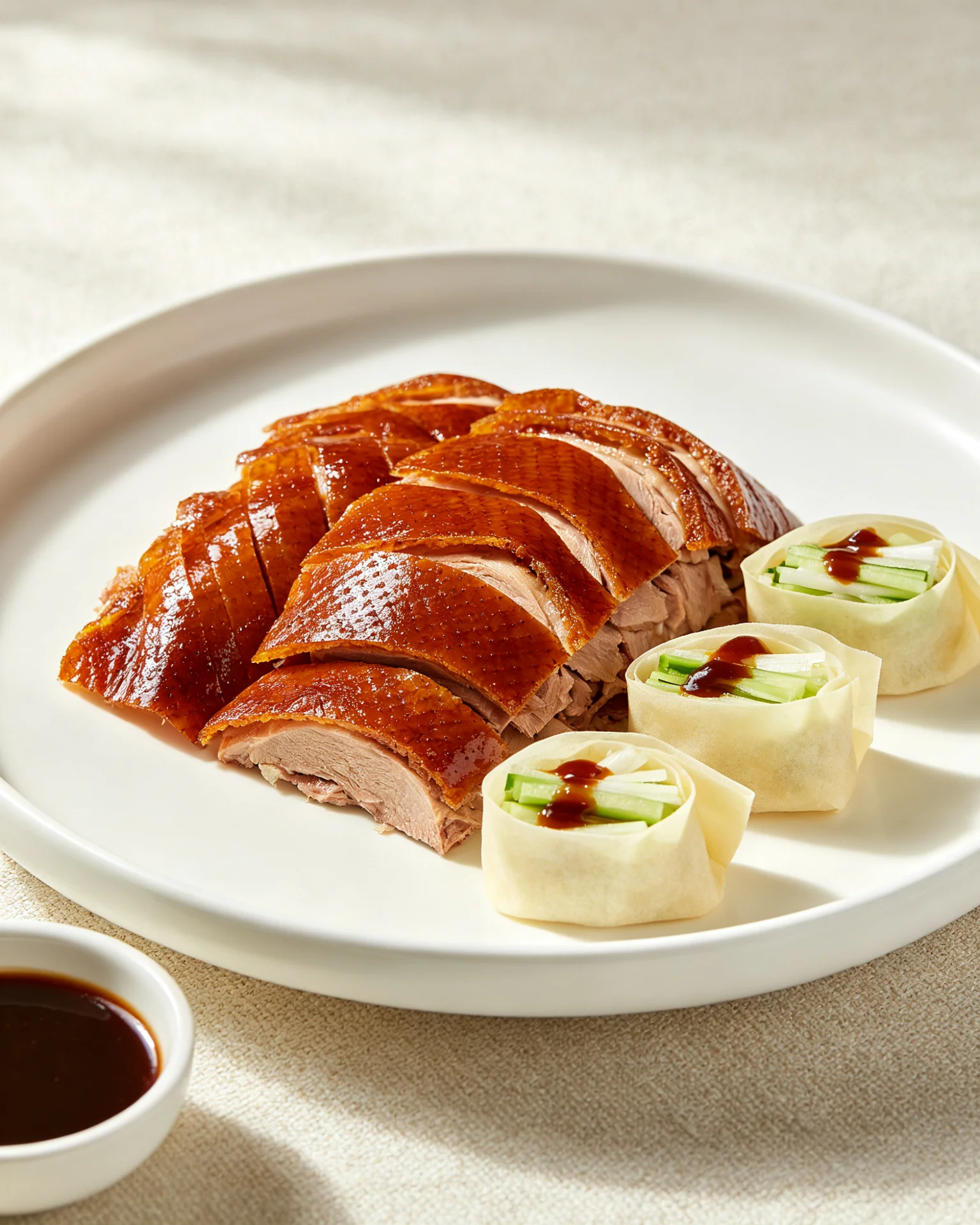
Peking Duck Recipe (北京烤鸭)
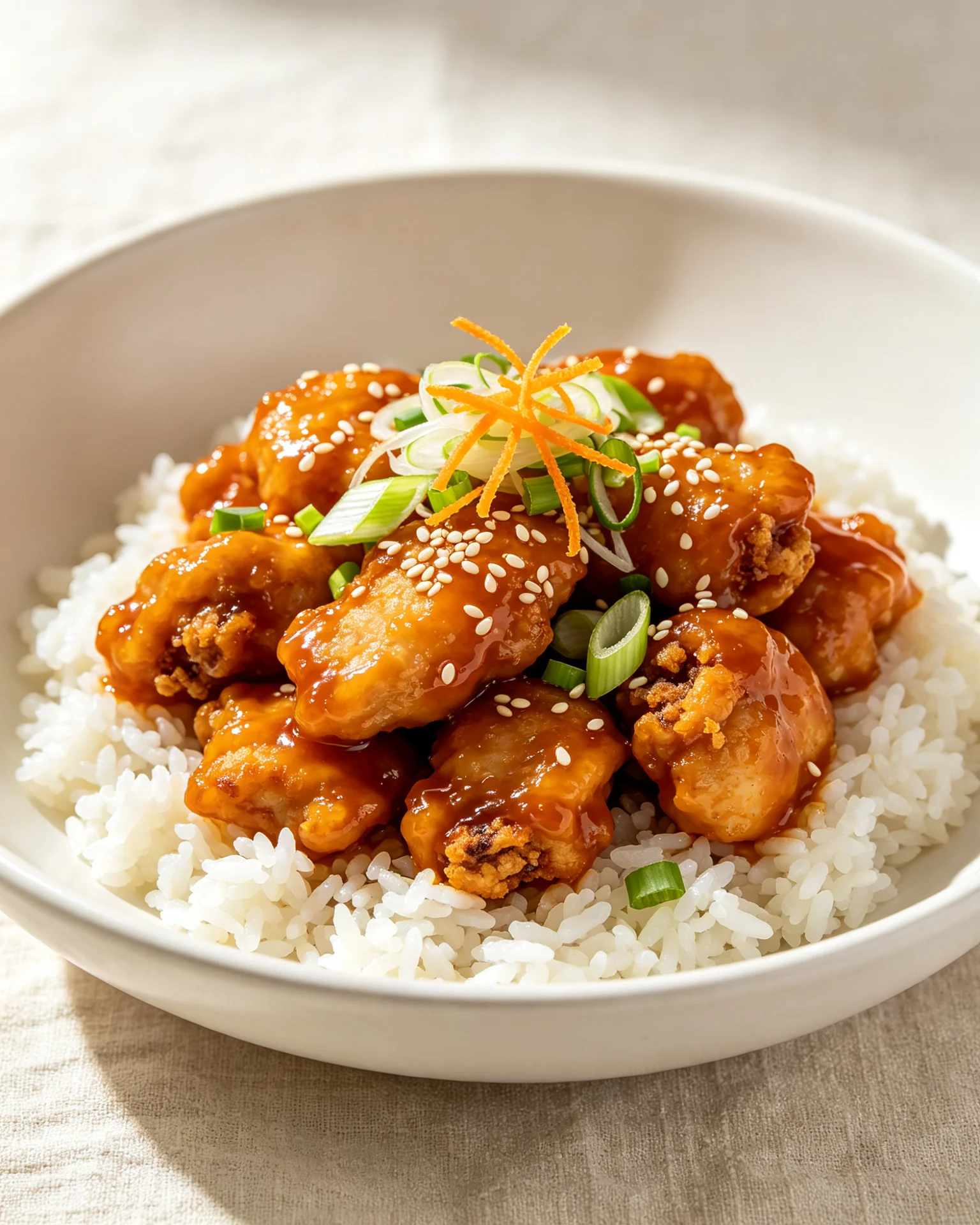
Orange Chicken Recipe
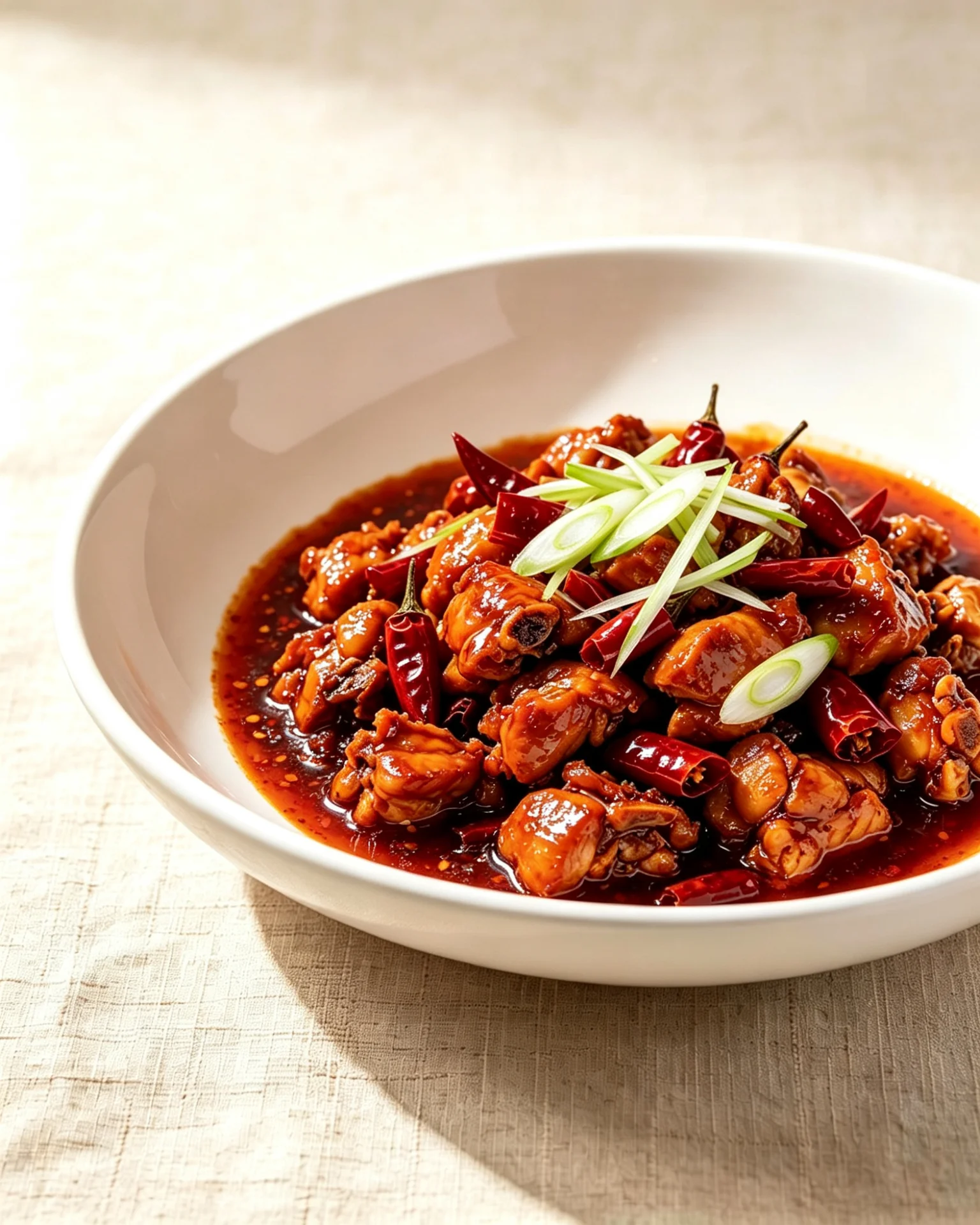
Sichuan Chicken Recipe (Spicy Stir Fry)
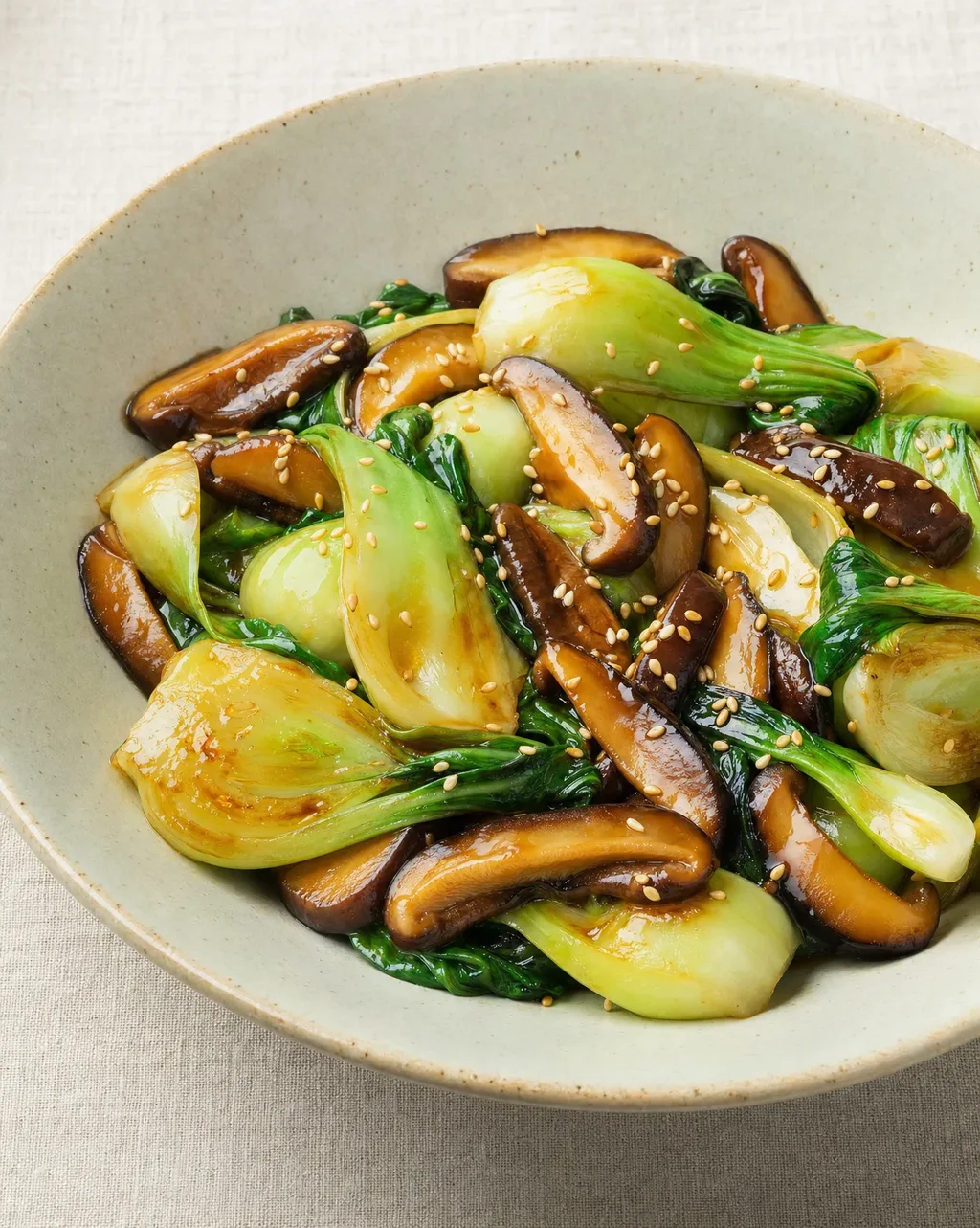
Bok Choy Mushroom Stir Fry Recipe
Chinese Eggplant with Garlic Sauce (鱼香茄子)

Mango Sticky Rice – Traditional Thai Dessert Recipe

Chinese Egg Stir Fry Noodles Recipe with Savory Garlic Sauce
Traditional Thai Chicken Pad Thai Recipe with Tamarind Glaze

Loading comments...