Perfect Chicken Chow Mein Recipe
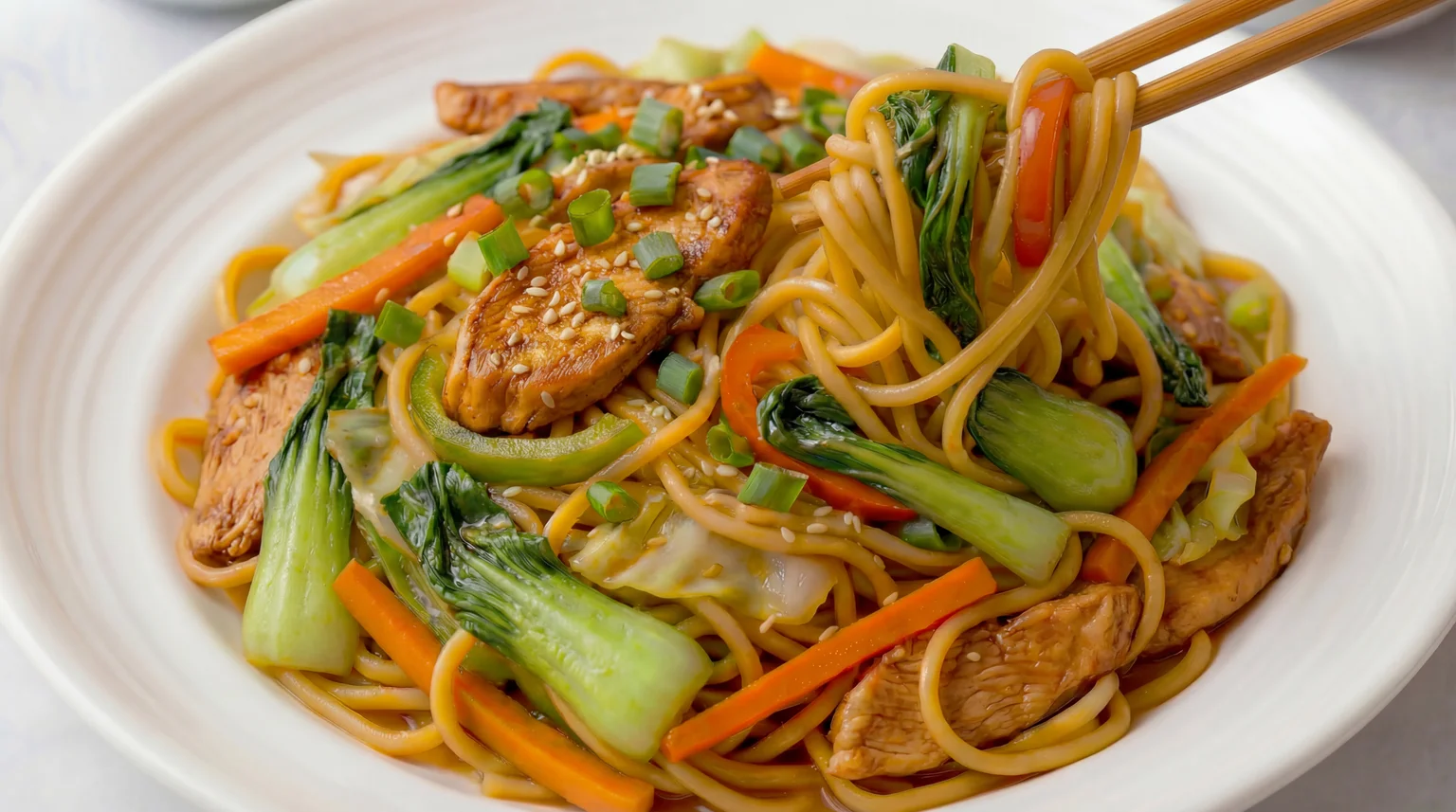
So you’re craving that better than takeout chicken chow mein but don’t want to order in? This post is for you. I’m sharing the exact recipe that turned my weeknight dinners around—golden noodles, tender chicken, crispy vegetables, and that savory sauce that makes you forget delivery ever existed. Last Tuesday, my neighbor knocked on my door asking what smelled so good. When I told her it was homemade Chicken Chow Mein, she didn’t believe me. She thought I’d ordered from Golden Dragon down the street. That’s when I knew this recipe was worth sharing.

At a Glance
Prep Time: 15 minutes
Cook Time: 12 minutes
Total Time: 27 minutes
Servings: 4 people
Difficulty: Easy to Moderate
Key Ingredients: Fresh chow mein noodles, chicken breast, soy sauce, oyster sauce, vegetables
Best For: Quick weeknight dinners, meal prep, impressing guests without stress
Why This Recipe Wins
This authentic restaurant style chicken chow mein hits differently than those soggy takeout versions. Here’s why it works:
• The noodles get crispy on the bottom. That’s the secret to Hong Kong style chicken chow mein—you’re not just boiling and mixing. You’re creating texture.
• The sauce clings instead of pooling. I use a cornstarch slurry mixed right into the savory soy oyster sauce chicken chow mein base. Game changer.
• Everything cooks fast. We’re talking 12 minutes of actual cooking. Your quick wok seared chicken chow mein is done before your rice cooker even finishes.
• You can taste each ingredient. This isn’t a mushy stir fry. The vegetables stay crisp. The chicken stays tender. The traditional Cantonese chicken chow mein technique respects every component.
• It reheats better than takeout. And that’s saying something because leftover chow mein is usually a sad affair.
Ingredients You’ll Need

For the Noodles:
- 8 oz fresh chow mein noodles – Fresh beats dried every time. They’re bouncy and soak up sauce without getting mushy. If you can’t find them, thin spaghetti works in a pinch.
For the Protein:
- 1 lb chicken breast, sliced thin – Slice against the grain. Thin pieces cook fast and stay juicy in this easy homemade chicken chow mein stir fry.
For the Vegetables:
- 1 cup cabbage, chopped – Adds crunch and that slight sweetness.
- 1 cup bean sprouts – Classic texture. Don’t skip these.
- 1 medium carrot, julienned – Color and a bit of natural sugar.
- 3 green onions, cut into 2-inch pieces – Both flavor and garnish.
- 1 small onion, sliced – Building that savory base.
For the Sauce:
- 3 tablespoons soy sauce – I use low sodium so I control the salt.
- 2 tablespoons oyster sauce – This is where the depth comes from.
- 1 tablespoon dark soy sauce – For color and that slightly sweet edge.
- 1 teaspoon sesame oil – Just a hint at the end.
- 1 tablespoon cornstarch mixed with 2 tablespoons water – The thickener that makes sauce stick.
- 1/2 cup chicken broth – Loosens everything up without diluting flavor.
For Cooking:
- 3 tablespoons vegetable oil – High smoke point. You need heat for this.
- 3 cloves garlic, minced – Non-negotiable.
- 1 teaspoon fresh ginger, minced – Cuts through the richness.
How I Make It

Step 1: Prep Everything First
Get your ingredients ready. Seriously, once you start cooking, there’s no time to chop. Slice the chicken thin. Cut your vegetables. Mix your sauce in a small bowl. Cook your noodles according to package directions, then drain and toss with a tiny bit of oil so they don’t stick.
Step 2: Cook the Chicken
Heat your wok or large skillet over high heat. Add 1 tablespoon of oil. When it shimmers, add the chicken in a single layer. Let it sit for 30 seconds before stirring. You want some browning. Cook for 3-4 minutes until just done. Remove and set aside. Don’t overcook it now—it goes back in later.
Step 3: Stir Fry the Vegetables
Add another tablespoon of oil to the same pan. Toss in the garlic and ginger. Stir for maybe 10 seconds until you smell them. Add the onion and carrot first since they take longer. Stir fry for 2 minutes. Then add cabbage and bean sprouts. Another 2 minutes. Everything should still have bite.
Step 4: Create Those Crispy Pan Fried Noodles
Push the vegetables to the side. Add the last tablespoon of oil to the center of your pan. Add the noodles in a layer. Here’s the trick—let them sit without stirring for about 2 minutes. You’re building that golden crust on the bottom. Flip sections over with your spatula.
Step 5: Bring It All Together
Add the chicken back. Pour in the sauce mixture. Toss everything together for about 1 minute. The cornstarch will thicken things up quickly. Add the green onions. Drizzle with sesame oil. Toss once more.
Step 6: Serve Immediately
This is best eaten hot off the stove. The noodles lose their magic if they sit too long.

Tips That Make a Difference
Don’t crowd the pan. If your skillet isn’t big enough, cook in batches. Crowding creates steam instead of that nice sear we want for the best ever chicken chow mein recipe.
High heat is your friend. I know it feels aggressive, but authentic wok cooking needs serious heat. Just keep things moving.
Add the sauce at the end. Pour it in too early and your vegetables will steam instead of stir fry. Wait until the last minute.
Taste before serving. Every soy sauce brand is different. Add a pinch of sugar if it’s too salty or a splash more soy if it tastes flat.
Use day-old noodles if you have them. They’re drier and crisp up even better. Fresh out of the package is fine too, just make sure you drain them really well.
Easy Variations
Make it spicy: Add 1-2 teaspoons of chili garlic sauce or a few dried red chilies when you cook the garlic.
Swap the protein: Shrimp works great. So does thinly sliced beef or pork. Tofu for vegetarian friends—just press it well and crisp it up first.
Different vegetables: Snow peas, bell peppers, bok choy, mushrooms. Use what you have. Just keep the ratio similar.
Make it gluten-free: Use tamari instead of soy sauce and rice noodles instead of wheat noodles. The technique stays the same.
Extra crispy version: After adding the noodles, really resist stirring. Let them sit for 3-4 minutes to get that deep golden crust. You’re basically making crispy chow mein at that point.
Storage and Reheating
Storing: Let it cool completely, then pack in an airtight container. It’ll keep in the fridge for 3-4 days. The noodles will soften a bit but the flavor holds up.
Reheating: Best method? Hot skillet with a splash of water or broth. Medium-high heat, toss frequently for about 3-4 minutes until heated through. This revives some of that texture. Microwave works too—just cover it and add a few drops of water, then heat in 1-minute intervals. It won’t be as crispy but it’ll still taste like that classic Chinese chicken chow mein with vegetables you made.
Freezing: Honestly, I don’t recommend it. The noodles get weird and the vegetables lose their crunch. This is one dish that’s best enjoyed fresh or within a few days.
Equipment I Use
14-inch carbon steel wok – This is my go-to. It distributes heat perfectly and gives that restaurant flavor. If you don’t have one, a large heavy skillet works fine.
Spider strainer – Makes it easy to scoop noodles out of boiling water without losing half of them down the drain.
Sharp knife and cutting board – Sounds obvious, but slicing chicken and vegetables thin is way easier with a sharp blade.
Small bowls for mise en place – Having everything prepped and ready in little bowls makes the actual cooking smooth and stress-free.
Frequently Asked Questions
Can I use dried noodles instead of fresh?
Yes. Cook them according to package directions, drain well, and toss with a little oil. They won’t have quite the same chewy texture as fresh, but they’ll still work.
Why are my noodles sticking together?
After cooking them, toss immediately with about a teaspoon of oil. Also, make sure your pan is hot enough when you add them. Cold pan equals sticky noodles.
Can I prep this ahead of time?
Absolutely. Slice everything and store in separate containers in the fridge. Mix your sauce. When you’re ready to eat, it’s just 12 minutes of cooking. That’s what makes this such a great weeknight option.
What if I can’t find oyster sauce?
You’ll lose some depth, but you can substitute with hoisin sauce or just add an extra tablespoon of soy sauce plus a pinch of sugar. It won’t be quite the same, but it’ll still be good.
How do I know when my chicken is done?
Slice it thin and cook over high heat—it should take 3-4 minutes max. The pieces will turn white with no pink in the center. If you’re nervous, check the thickest piece. But honestly, thin slices cook so fast you’d have to try hard to undercook them.
Final Note
This isn’t just dinner. It’s the smell that makes people knock on your door. It’s the recipe you’ll make on repeat because it’s faster than waiting for delivery and tastes better too. Your family will stop asking for takeout.
*This post may contain affiliate links which means I may earn commissions for purchases made through links at no extra cost to you. See https://asianfoodsdaily.com/disclaimer/* for more infomation
Perfect Chicken Chow Mein Recipe
Main course15 minutes
12 minutes
27 minutes
Ingredients
- • 8 oz fresh chow mein noodles
- • 1 lb chicken breast, sliced thin
- • 1 cup cabbage, chopped
- • 1 cup bean sprouts
- • 1 medium carrot, julienned
- • 3 green onions, cut into 2-inch pieces
- • 1 small onion, sliced
- • 3 tablespoons soy sauce
- • 2 tablespoons oyster sauce
- • 1 tablespoon dark soy sauce
- • 1 teaspoon sesame oil
- • 1 tablespoon cornstarch mixed with 2 tablespoons water
- • 1/2 cup chicken broth
- • 3 tablespoons vegetable oil
- • 3 cloves garlic, minced
- • 1 teaspoon fresh ginger, minced
Instructions
- 1 Prep Everything First
- 2 Cook the Chicken
- 3 Stir Fry the Vegetables
- 4 Create Those Crispy Pan Fried Noodles
- 5 Bring It All Together
- 6 Serve Immediately
Post your Comment
0 Comments
No comments yet. Be the first to share your thoughts!