My Quick Gyudon Recipe for When You’re So Over Today
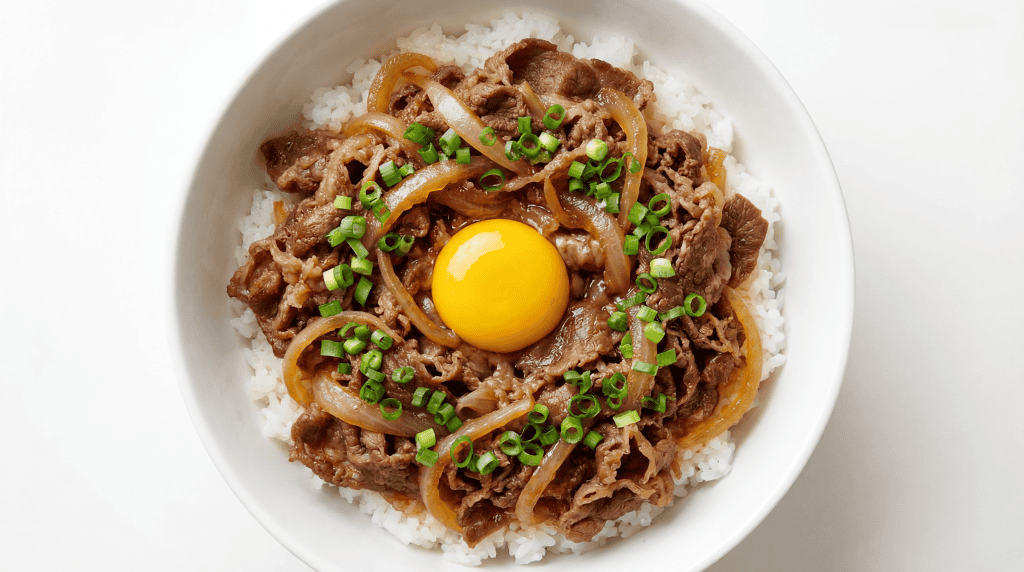
Ever had one of those days where you walk through the door and the thought of cooking anything elaborate makes you want to cry? This quick 20-minute gyudon recipe is for you. It’s a simple weeknight gyudon dinner that transforms thin slices of beef, onions, and a savory-sweet sauce into the kind of comfort that makes everything feel slightly more manageable.
Last Tuesday, I got home after a meeting that should’ve been an email (you know the type), my phone died on the subway, and I realized I’d been wearing my shirt inside-out since lunch. I stood in my kitchen, stared at my fridge, and knew I needed something fast and comforting. Not takeout-app-scrolling-for-20-minutes fast. Actually fast. That’s when this easy Japanese beef bowl for busy nights saved me. Fifteen minutes later, I was sitting at my table with a steaming bowl, and honestly? The day felt salvageable.
Why This Gyudon Recipe Wins
This isn’t about impressing anyone. It’s about feeding yourself something warm and satisfying without spending your last bit of energy.
The whole thing takes about 15 minutes. Most of that is just letting the beef simmer in the sauce while you stand there and decompress. You probably have half the ingredients already—soy sauce, sugar, maybe some ginger. The rest you can grab at any grocery store.
It’s also the kind of fast comfort food gyudon that works whether you’re cooking for one or need to feed three people who suddenly appeared in your kitchen asking what’s for dinner. The recipe scales up easily, and nobody will believe you threw it together in less time than it takes to order and wait for delivery.
Plus, there’s something about eating a no-fuss Japanese beef rice bowl that just… works. The savory beef, the slight sweetness from the sauce, the way it all soaks into the rice. It’s comfort in a bowl.
Ingredients You’ll Need

Here’s what goes into this speedy gyudon recipe for stress relief:
Thinly sliced beef (about ¾ lb): Use ribeye, sirloin, or whatever your store has labeled for hot pot or stir-fry. The thinner, the better—it cooks fast and soaks up all that sauce.
One large onion: Sliced thin. Onions get sweet and soft when they cook down, and they’re basically half the soul of this dish.
Soy sauce (¼ cup): The salty backbone. Use regular soy sauce, not the low-sodium stuff here.
Water (¾ cup): Loosens everything up so it’s not too salty or thick.
Sugar (2 tablespoons): Balances the saltiness. Some people use mirin instead, but plain sugar works great.
Sake or dry white wine (2 tablespoons): Adds depth. If you don’t have it, skip it—the dish will still taste good.
Fresh ginger (about a teaspoon, grated): Gives it that little zing. The pre-minced jar stuff works too if that’s what you’ve got.
Cooked rice (2-3 cups): Short-grain Japanese rice is traditional, but honestly? Use whatever rice you have. Even leftover rice from yesterday.
Optional – Green onions: For topping. Adds color and a bit of freshness.
How I Make This Gyudon Recipe

Step 1: Get your rice going first if you don’t have any already. Rice cooker, stovetop, instant pot—whatever your method is. You want it ready when the beef is done.
Step 2: Slice your onion. Cut it in half, peel it, then slice it into thin half-moons. They don’t need to be perfect. Just reasonably thin so they cook fast.
Step 3: Make the sauce while you’re at it. In a small bowl or measuring cup, mix the soy sauce, water, sugar, sake (if using), and grated ginger. Stir until the sugar mostly dissolves. Set it aside.
Step 4: Heat your pan over medium-high heat. No oil needed yet. Toss in the sliced onions and stir them around for about 2-3 minutes until they start to soften and get a little golden at the edges.
Step 5: Pour in your sauce mixture. Let it come to a simmer. It’ll smell amazing—savory and sweet and a little bit gingery.
Step 6: Add the beef. If your beef slices are stuck together, separate them as you add them to the pan. Spread them out so they’re mostly in a single layer. Let everything simmer for about 3-4 minutes, stirring occasionally, until the beef is cooked through. The meat cooks fast because it’s so thin.
Step 7: Taste the sauce. Too salty? Add a splash of water. Not sweet enough? Sprinkle in a bit more sugar. This is your dinner—adjust it.
Step 8: Pile some rice into bowls. Spoon the beef and onions over the top, then drizzle some of that sauce over everything. Top with sliced green onions if you have them.
That’s it. You’re done. Go sit down.
Equipment
You don’t need anything fancy. A medium-sized skillet or a wide pan. A cutting board and a knife. A grater for the ginger if you’re using fresh. That’s it. I use my 10-inch non-stick skillet because cleanup is easier, and on days like this, easier is the whole point.
Tips That Make a Difference
If you can’t find pre-sliced beef, buy a small steak and stick it in the freezer for 20 minutes. It firms up just enough to slice thin with a sharp knife. Cut against the grain.
Don’t skip the ginger. It’s subtle, but it lifts the whole thing from “pretty good” to “oh, this is actually restaurant-level.”
The sauce should look a little loose in the pan. It’ll thicken slightly as it cools, and the rice will soak up a lot of it. If it seems watery, that’s fine.
Some people add a beaten egg right at the end, stirring it into the hot beef so it gets silky and creamy. I do this maybe half the time. Depends on whether I have eggs and whether I’m feeling fancy (which, on days like the one I described, I’m usually not).
Easy Variations for Your Gyudon Recipe
Add vegetables: Toss in some sliced mushrooms, spinach, or snap peas during the last minute of cooking. My friend adds frozen edamame straight from the bag.
Make it spicier: Stir in some chili oil or sprinkle red pepper flakes on top. Gives it a kick that’s honestly pretty great.
Use chicken or pork: The same sauce works. Just adjust cooking time—chicken takes a bit longer than the 15-minute gyudon with thin beef.
Top it with an egg: Soft-boiled, fried, or poached. The runny yolk mixing with the sauce is next-level comfort.
Go vegetarian: Swap the beef for firm tofu or mushrooms. You’ll want to maybe add a splash more soy sauce for depth.
Storage and Reheating
Leftovers keep in the fridge for about 3 days in an airtight container. I store the beef mixture separate from the rice because rice gets weird in the fridge sometimes.
To reheat, microwave the beef mixture with a splash of water to loosen it up—about 1-2 minutes. Heat the rice separately, also with a tiny bit of water so it doesn’t dry out.
You can freeze the beef mixture for up to a month. I don’t usually freeze the rice, but some people do. Just know it changes the texture a bit.
FAQs About This Quick Gyudon Recipe
Can I use a different cut of beef?
Yeah. As long as it’s thin and reasonably tender, it’ll work. Ground beef changes the dish completely (more like soboro don), but it’s not bad—just different.
What if I don’t have sake?
Skip it or use a tablespoon of rice vinegar instead. The dish will still taste like this effortless homemade gyudon after a long day should.
Is gyudon supposed to be sweet?
A little bit, yes. The slight sweetness is traditional and balances the salty soy sauce. If you find it too sweet, use only 1 tablespoon of sugar next time.
Can I make this ahead?
The beef mixture actually tastes better the next day after the flavors have time to hang out together. Make a big batch, store it, and reheat portions throughout the week.
What kind of rice should I use?
Short-grain Japanese rice is traditional because it’s sticky and absorbs the sauce beautifully. But long-grain, jasmine, even brown rice all work. Use what you have.
Final Note
Look, I’m not going to tell you this gyudon recipe will fix your terrible day. But it might make the evening part of it better. There’s something about standing at the stove for just a few minutes, watching thin slices of beef turn tender in a pan of bubbling sauce, that’s quietly satisfying. And then you get to eat it, which is the best part.
Some nights you need fancy. Most nights, though? You just need something warm and good that doesn’t ask much of you. This is that. Make it on your next rough day. You’ll be glad you did.
*This post may contain affiliate links which means I may earn commissions for purchases made through links at no extra cost to you. See https://asianfoodsdaily.com/disclaimer/* for more information
Post your Comment
0 Comments
No comments yet. Be the first to share your thoughts!