Korean Tteokbokki Recipe
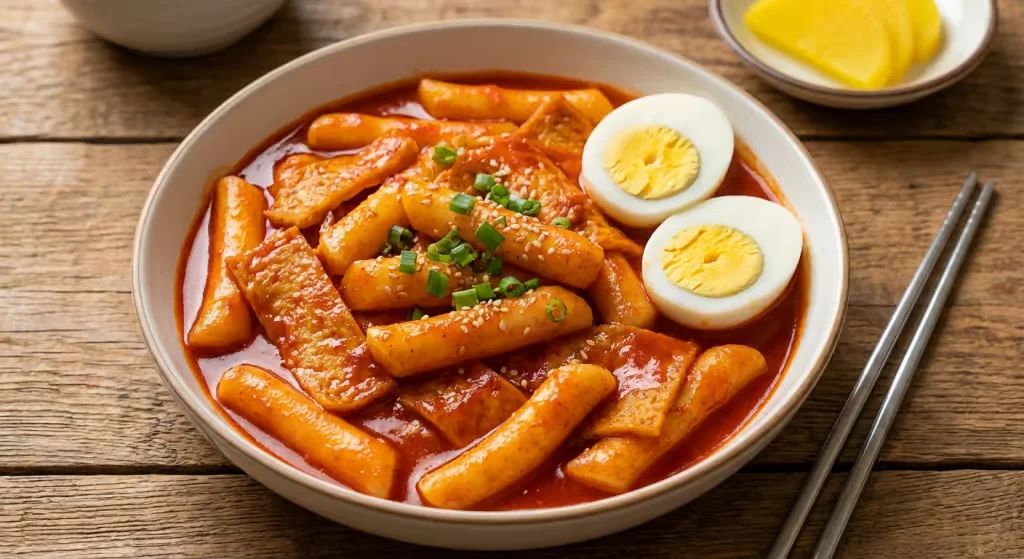
Want to make those chewy, spicy Korean rice cakes you’ve been craving? This Korean Tteokbokki recipe walks you through every step—from choosing the right rice cakes to nailing that sweet-spicy sauce. Perfect for anyone who wants authentic tteokbokki street food flavor without leaving their kitchen.

Why This Korean Tteokbokki Recipe Wins
This isn’t some complicated restaurant version that needs 15 ingredients. It’s the real deal—the kind you’d grab from a street cart in Seoul. The sauce hits that perfect balance between sweet and spicy. The rice cakes stay chewy, not mushy. And you can have dinner ready in 20 minutes.
I learned this recipe from my friend’s mom during a trip to Busan three years ago. She ran a small food stall near Haeundae Beach, and people lined up for her tteokbokki every single day. She told me the secret wasn’t fancy technique—it was knowing when to stop stirring. That stuck with me.
Most recipes online get the sauce wrong. Too thin or too thick. This one? Just right. The gochujang does most of the heavy lifting, and the sugar balances out the heat without making it dessert-sweet.
Ingredients You’ll Need for This Korean Tteokbokki Recipe

Rice Cakes (Tteok) – 1 pound
These are the stars. Look for cylindrical ones, not the flat oval kind. They should feel slightly firm when you squeeze the package.
Gochujang (Korean Red Pepper Paste) – 3 tablespoons
This is what makes homemade tteokbokki with gochujang so good. Fermented, a bit funky, totally essential. Don’t swap it for sriracha.
Gochugaru (Korean Red Pepper Flakes) – 1 tablespoon
Adds extra kick and that deep red color. You can skip it if you’re sensitive to spice, but you’ll lose some authenticity.
Sugar – 2 tablespoons
Sounds like a lot, but Korean food loves that sweet-savory thing. It rounds out the heat.
Soy Sauce – 1 tablespoon
Adds depth. The salty kind of depth that makes you take another bite.
Fish Cakes – 4 ounces, sliced
These rectangles soak up the sauce like little flavor sponges. Find them in the frozen section of Asian markets.

Green Onions – 2 stalks, chopped
Fresh, sharp, necessary. They cut through all that richness.
Garlic – 3 cloves, minced
Because garlic makes everything better. No argument here.
Water – 2 cups
For the sauce base. Some people use anchovy stock, but water works fine if you’re keeping it quick.
Sesame Seeds and Sesame Oil – for garnish
Optional, but they add a nutty finish that feels fancy.
How I Make This Korean Tteokbokki Recipe at Home
Step 1: Prep Your Rice Cakes
If you bought frozen rice cakes, soak them in warm water for 10 minutes. Fresh ones? Skip this step. They’re ready to go.
Step 2: Make the Sauce Base
Grab a large pan or shallow pot. Mix your gochujang, gochugaru, sugar, and soy sauce in a bowl with about half a cup of water. Stir until it’s smooth. No lumps. This is your flavor bomb.
Step 3: Start Cooking
Pour the remaining water into your pan and bring it to a boil. Add the minced garlic. Let it bubble for a minute so the raw edge cooks off.

Step 4: Add Everything
Toss in your rice cakes and fish cakes. Pour in that sauce mixture you made. Give it one good stir, then leave it alone. This is important. Too much stirring makes the rice cakes gummy.
Step 5: Let It Simmer
Cook for about 10 minutes over medium-high heat. The sauce will reduce and thicken. The rice cakes will soften but keep their chew. You’ll know it’s done when the sauce coats the back of a spoon.
Step 6: Finish Strong
Toss in your green onions. Stir just once or twice. Drizzle with sesame oil if you’re using it. Sprinkle sesame seeds on top.
That’s it. Easy spicy Korean rice cakes, ready to eat.
Tips That Make a Real Difference
Don’t Overcook the Rice Cakes
They should be soft but still have bounce. If they start falling apart, you’ve gone too far.
Taste as You Go
Gochujang brands vary. Some are spicier, some are milder. Start with less, add more if you need it.
Use a Wide Pan
More surface area means better evaporation. Your sauce thickens faster and coats everything evenly.
Add Vegetables
Cabbage, onions, or carrots work great. Throw them in with the rice cakes. They soften in the sauce and add bulk.
Control the Heat
Cut back the gochugaru if you want less spice. The gochujang is non-negotiable though. That’s where the flavor lives.

Easy Variations for Your Korean Tteokbokki Recipe
Cheesy Tteokbokki Variation
Top with shredded mozzarella in the last minute of cooking. Cover the pan and let it melt. It’s ridiculous and delicious. The cheese softens the spice and adds this creamy richness.
Seafood Tteokbokki with Fish Cakes
Add shrimp, squid, or mussels. Toss them in during the last 5 minutes. They cook fast and make this feel more substantial.
Quick Instant Tteokbokki Recipe
Use instant tteokbokki sauce packets. Just add water, rice cakes, and whatever extras you want. Done in 10 minutes. Not traditional, but convenient.
Jjapaguri Style
Mix in cooked ramen noodles at the end. The noodles soak up extra sauce and make it more filling.
Mild Version
Swap half the gochujang for tomato paste. Add a touch more sugar. You lose some authenticity, but kids will actually eat it.
Storage and Reheating Your Tteokbokki
Storing Leftovers
Put cooled tteokbokki in an airtight container. It’ll keep in the fridge for 3 days. The rice cakes will firm up, but that’s normal.
Reheating Tips
Microwave with a splash of water. The moisture brings back that saucy texture. Heat in 30-second bursts, stirring between.
Or reheat on the stovetop. Add a few tablespoons of water and warm over medium heat until everything loosens up.
Can You Freeze It?
Not really. Rice cakes get weird and grainy after freezing. Make only what you’ll eat in a few days.
Equipment You’ll Need
You don’t need special gear for this Korean Tteokbokki recipe. A large skillet or shallow pot works best—something wide enough to fit all the rice cakes in a single layer. A wooden spoon for stirring. Measuring spoons. That’s about it. I use my 12-inch nonstick pan because cleanup is easier, but stainless steel works fine too.
Frequently Asked Questions About Korean Tteokbokki Recipe
What if I can’t find Korean rice cakes?
Check the frozen section of any Asian grocery store. H Mart, 99 Ranch, or even some regular supermarkets carry them now. Online is another option—Amazon has several brands.
How spicy is authentic tteokbokki street food?
Medium spicy, usually. It has heat but shouldn’t hurt. The sugar balances things out. If you’re worried, start with 2 tablespoons of gochujang instead of 3.
Can I make this vegetarian?
Yes. Skip the fish cakes and use vegetable stock instead of water. Add extra veggies like mushrooms or zucchini to bulk it up.
Why are my rice cakes mushy?
You cooked them too long or stirred too much. Next time, reduce the cooking time by 2 minutes. Let them simmer without constant stirring.
What does tteokbokki taste like?
Sweet, spicy, savory, all at once. The rice cakes are chewy and mild. They take on whatever sauce you cook them in. The gochujang adds fermented depth and heat. It’s comforting, the kind of food you crave on cold days.
Final Note on This Korean Tteokbokki Recipe
This recipe has become my go-to when I need something fast but satisfying. The first time I made it at home, I messed up the sauce ratio and it came out way too sweet. I learned. Now I make it at least twice a month, sometimes more if I’m testing variations.
The beauty of how to make tteokbokki at home is that it’s forgiving. You can adjust the spice, throw in whatever’s in your fridge, and it still tastes good. That’s probably why it’s been Korean street food for decades. It works.
Make it once, and you’ll get why people get so excited about these chewy rice cakes swimming in spicy-sweet sauce. They’re simple, they’re filling, and they never get boring.
*This post may contain affiliate links which means I may earn commissions for purchases made through links at no extra cost to you. See https://asianfoodsdaily.com/disclaimer/* for more infomation
Post your Comment
0 Comments
No comments yet. Be the first to share your thoughts!