Instant Ramen Is Better Than Most Restaurant Ramen Bowl
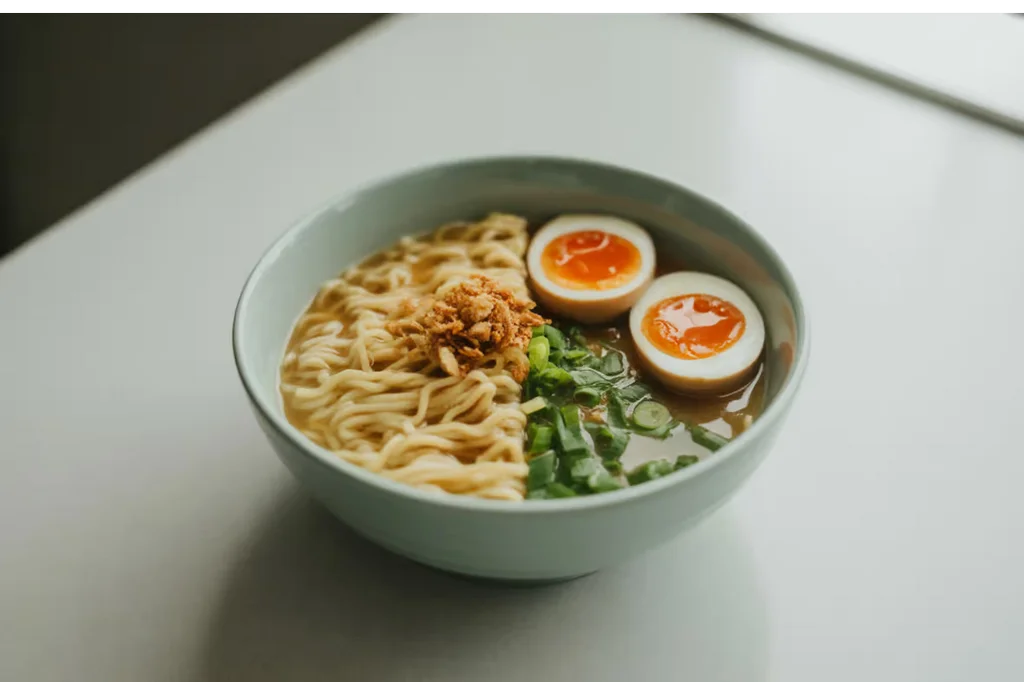
Let’s be real—when you think about a “good” ramen bowl, it’s way more complicated than just slurp-worthy noodles. Authentic Japanese standards for what makes a truly great bowl are actually pretty specific and focus on layers of flavor and texture.

Instant Ramen
Essentially, the goal is to create something that’s balanced—salty, savory, rich, umami… It’s all about building depth with each component. It’s not just throwing everything together; there’s a carefully considered process behind every ingredient and its role in the overall experience. Think about it like this: A really good bowl starts with dashi, which is essentially Japanese broth—traditionally made from kombu (seaweed) and katsuobushi (dried, fermented bonito flakes). This dashi provides that fundamental umami base—that savory depth you crave. Then there’s the noodles themselves; they need to be firm enough to stand up in the soup but also have a good chewiness when you bite into them. Beyond just broth and noodles, Japanese ramen places an emphasis on toppings—especially carefully prepared ones like chashu pork (braised pork belly), marinated soft-boiled eggs (ajitama), and wood ear mushrooms. Each topping is meant to contribute a distinct element of flavor or texture to the whole dish. For example, those ajitama aren’t just boiled eggs; they’re carefully marinated in soy sauce, mirin (sweet rice wine), and sake, which creates this beautiful balance of salty sweetness that complements the pork perfectly. Then there are things like scallions or nori seaweed—small touches that add freshness and complexity when you bite into them. It is all about layers building on each other!
The Science Behind Instant Ramen’s Flavor and Texture
Instant Ramen
During the process of making instant ramen, a surprising amount goes into creating that satisfying flavor and texture you get. It’s way more complex than just dried noodles and powder, honestly. The key is how they manipulate salt levels—it’s actually pretty clever. They don’t just dump in tons of sodium like some other processed foods. Instead, they use a process called “flavor layering.” Think about the powder packet first: It contains a lot more than just MSG (monosodium glutamate), which is that umami flavor booster. They add things like hydrolyzed vegetable protein—basically broken-down vegetables—to give it depth and complexity, along with yeast extracts for richness. The salt in the powder isn’t overpowering; it’s carefully calibrated to react with water and your saliva, amplifying those other flavors as you cook. Then there are the noodles themselves. They’re made using a specific alkaline starch—usually potato or sweet potato starch—which gives them that chewy texture you crave. It’s not just adding wheat flour like some regular pasta; it’s about controlling how the starches react when heated and hydrated. The noodles are also often extruded under pressure, creating tiny bubbles within the dough structure—this contributes to their bouncy texture. Plus, they dry them at a low temperature for a long time—this helps retain moisture and keeps those little air pockets intact throughout cooking.
Instant vs. Restaurant Ramen: Key Differences in Ingredients and Preparation
Instant Ramen
Surprisingly, the stuff you get in a packet of instant ramen is different from what you find in most restaurant ramen bowls—and it’s not just about the noodles. The biggest shifts happen when you look at how they make the broth and even how they serve it up. Let’s break down the differences, starting with ingredients. Instant ramen relies on a super condensed list: dehydrated noodles, flavor packets (often full of MSG!), and sometimes seasonings like seaweed or spices. Restaurant bowls, though? They’re loaded with things like pork bones for days—seriously, simmering to build a rich broth. You’ll also find additions like kombu (seaweed) for umami depth, shiitake mushrooms for earthiness, and often fresh scallions and ginger. Then there’s the presentation—instant ramen comes in that familiar cup or pouch with just those noodles ready to go. Restaurant bowls are usually served in a large ceramic bowl with lots of garnishes like a soft-boiled egg, sliced pork belly, nori (seaweed), wood ear mushrooms… it’s a whole experience! The difference in the broth is where things get really interesting. Instant ramen broth comes from concentrated powder that’s rehydrated with hot water. Restaurant bowls have broth built up through patient simmering—it’s about extracting all the flavor compounds slowly and evenly from ingredients like meat, bones, and vegetables. The long cooking times create more complex flavors you just can’t get from a packet of seasoning. Think of it this way: instant ramen is aiming for speed and convenience—that’s its whole point! Restaurant bowls are built around time, skill, and layering multiple flavor dimensions. It’s like comparing a pre-made smoothie to something someone blended from scratch using fresh fruit, spices, ice, etc. Because instant ramen broth is so simplified—just flavoring powder—it lacks the depth and complexity that comes with hours spent building up a proper stock. The richness in restaurant bowls doesn’t come from added ingredients but rather all those extra flavor compounds developed through long, slow simmering, resulting in vastly different tasting profiles.
The Artistry of a Skilled Ramen Chef: What Sets Them Apart
Let’s think about what a really skilled ramen chef is actually doing, beyond just boiling the broth and adding noodles. It’s not just following a recipe; it’s creating something with layers—like a painting, you see? It all starts with the broth. A master chef doesn’t just cook for an hour or two. They’re constantly watching, adjusting heat, letting flavors develop in ways that take days to fully emerge. Imagine a rich pork bone broth—you wouldn’t want to boil it at a crazy high temperature forever. You need gentle simmering over hours—sometimes even two or three days! That’s how they build up intense umami flavors and get rid of anything unpleasant, creating that depth of taste you don’t always find in instant versions. Then there’s the attention to detail with each ingredient—it goes way beyond just using good quality noodles. They might gently coax sweetness out of a single chashu pork belly by braising it slowly, for example, letting every little bit of fat render down and become super flavorful. Or they’ll carefully slice scallions thinly at the exact moment to maximize their fresh flavor before adding them—things like that really matter because each step adds something unique to what you’re eating! It’s about understanding how everything interacts—the heat, the ingredients, and even your senses.
Upgrading Instant Ramen: Simple Hacks for Restaurant-Quality Results
You can totally level up instant ramen, and it’s not as complicated as you might think. The key thing is that restaurant bowls have layers—different textures, nuanced flavors building on each other over time. Instant ramen often feels…single note. It’s about adding those missing dimensions gradually. Think about it: a proper bowl has broth simmered for hours, developing incredible depth and richness with ingredients like kombu seaweed and pork bones—things you don’t get in the packet. You can mimic this layering through small additions that build flavor profiles slowly. It’s all about strategic boosts. Let’s start simple: a tiny pinch of MSG—seriously, just a little bit—amplifies umami, which is basically savory deliciousness and super common in Japanese cuisine. A drizzle of sesame oil adds nutty fragrance, while a spoonful of chili garlic sauce brings heat without overpowering everything. Then there are things like finely chopped scallions or cilantro for freshness—small changes make big differences. Adding dehydrated mushrooms soaked in hot water provides depth with an earthy taste similar to dried seaweed, and tiny cubes of tofu can provide a nice textural contrast. These aren’t massive transformations; they’re subtle adjustments that build on the base flavor. Each addition works to layer more complex tastes into your bowl.
When Instant Ramen Wins: Cost, Convenience, and Taste Scenarios
Think about this—sometimes, you just want ramen. And honestly, there are times when that instant package is actually the smarter choice than hitting up a fancy ramen place. It’s all about figuring out which situation works best for you. Let’s be real; restaurant bowls cost like, a lot of money—we’re talking $15-$25 easily! And let’s also acknowledge that those places can get really busy and the wait times are brutal sometimes. Cost is a huge factor, you know? Instant ramen costs like, maybe $2 or $3. That’s enough money to grab a snack or put towards something else that matters to you. You can make a ton of bowls for the same price—seriously, it’s a huge win on your wallet. Convenience is another big one—let’s be honest. Restaurant ramen means trekking across town to find somewhere good and then waiting ages just for your food! With instant ramen, you can cook it in like five minutes—boom, dinner is ready. It’s way more convenient if you’re tired or short on time. Taste-wise too… Okay, some restaurant bowls are amazing and super complex—that’s cool! But instant ramen can actually be really tasty with the right additions. You could add an egg, some green onions or even a bit of sriracha—instantly boost it to something pretty darn good. Ever felt totally ripped off after a fancy ramen dinner? Like you paid way too much for something that wasn’t that good?
*This post may contain affiliate links which means I may earn commissions for purchases made through links at no extra cost to you. See https://asianfoodsdaily.com/disclaimer/* for more infomation
Post your Comment
0 Comments
No comments yet. Be the first to share your thoughts!