How to Make Traditional Kare-Kare
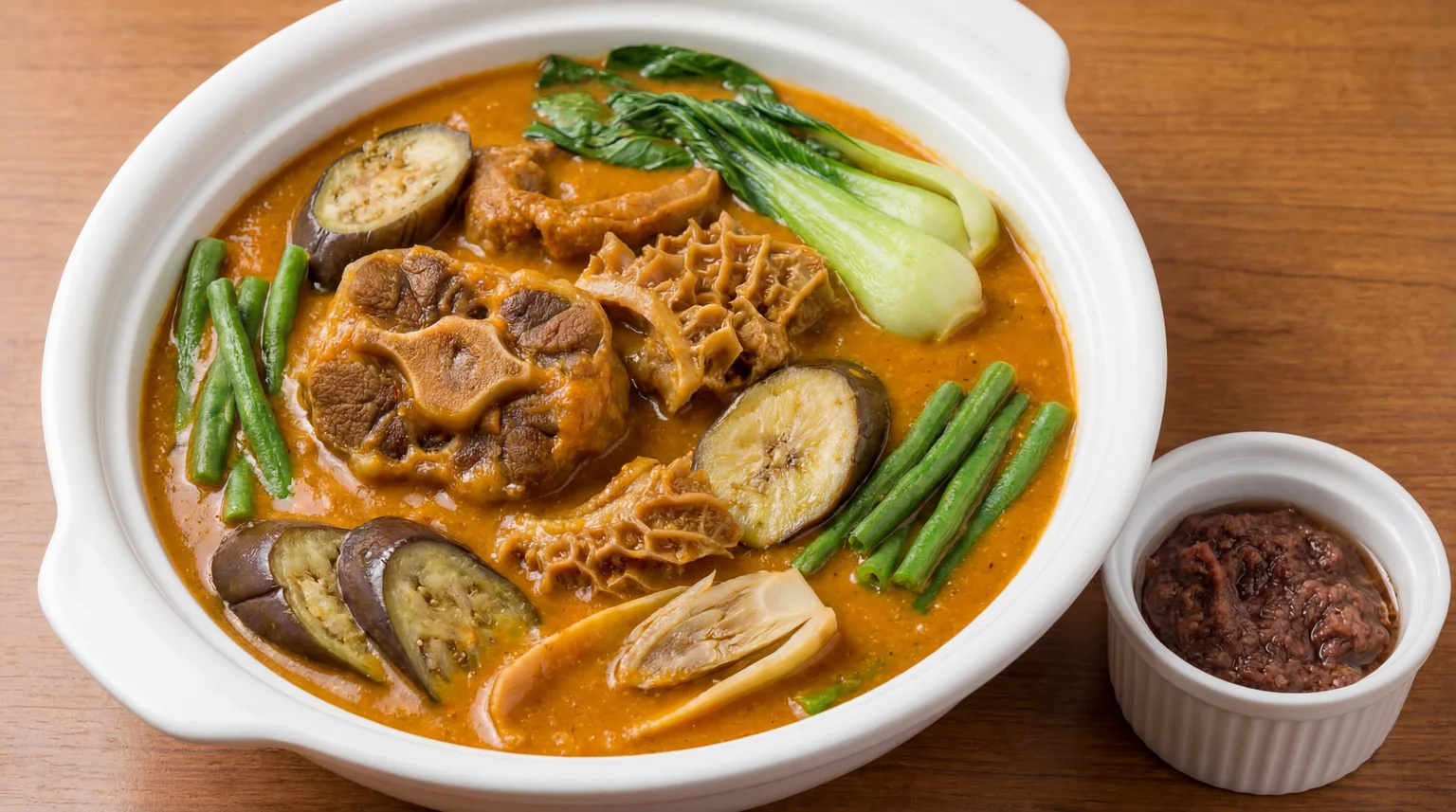
Ever stood in your kitchen, craving that rich, nutty Filipino stew your lola used to make? This guide walks you through making authentic Kare-Kare from scratch—the kind with tender oxtail, silky peanut sauce, and vegetables that taste like home. Perfect for anyone who wants to master this Filipino classic without the guesswork.
My cousin Maricel called me one Sunday morning, nearly in tears. She’d promised her husband’s family she’d make Kare-Kare for their reunion—her first time cooking it solo. We spent two hours on the phone fixing her grainy sauce and tough meat. That’s when I realized how many people struggle with this dish.

At a Glance
Prep Time: 20 minutes
Cook Time: 2 hours 30 minutes
Total Time: 2 hours 50 minutes
Servings: 6-8 people
Difficulty: Intermediate
Key Ingredients: Oxtail, peanut butter, toasted rice powder, banana heart, eggplant
Best For: Family gatherings, special occasions, Sunday dinners
Why You’ll Love This Kare-Kare Recipe
• The peanut sauce turns out smooth and thick every single time—no lumps, no separation
• Your oxtail gets fall-off-the-bone tender using a method that actually works
• The vegetables stay crisp and bright, not mushy
• You’ll use ingredients from regular grocery stores, nothing impossible to find
• The homemade kare-kare peanut sauce from scratch tastes miles better than shortcuts
• One pot feeds your whole family with leftovers for days
Ingredients You’ll Need For Kare-Kare

For the Authentic Filipino Oxtail Kare-Kare:
Oxtail (2 pounds): This is your star ingredient. The bones give the broth that deep, meaty flavor. Some people mix in beef tripe for texture, which is traditional.
Peanut Butter (1 cup, creamy): Creates that signature nutty base. Natural peanut butter works better than the super-processed kind.
Toasted Rice Powder (¼ cup): Thickens the sauce and adds a subtle roasted flavor. You make this by toasting raw rice until golden, then grinding it.
Annatto Seeds (2 tablespoons): Gives Kare-Kare its orange color. Steep these in warm water first.
Garlic (8 cloves, crushed): Builds flavor depth in the broth.
Onion (1 large, quartered): Adds sweetness to balance the richness.
Vegetables for Traditional Kare-Kare Mix:
Eggplant (2 medium): Cut into thick rounds. They soak up the sauce beautifully.
Bok Choy or Pechay (1 bunch): Adds a fresh, green contrast.
String Beans (1 cup): Cut into 3-inch pieces for easy eating.
Banana Heart (½, optional): If you can find it, this adds authentic texture.
Essential Accompaniment:
Bagoong Alamang (shrimp paste): Kare-Kare tastes incomplete without this salty, funky condiment. The pairing is non-negotiable in Filipino households.
Equipment You’ll Need:
• Large heavy-bottomed pot or Dutch oven (5-6 quarts)
• Pressure cooker (optional, speeds up oxtail cooking)
• Fine-mesh strainer (for annatto water)
• Wooden spoon or ladle for stirring
• Sharp knife and cutting board
• Small dry pan (for toasting rice)
How to Make Kare-Kare (Step by Step)

Step 1: Prep the Oxtail
Rinse the oxtail under cold water. Pat it dry. You want to remove any bone fragments from cutting. Put the pieces in your large pot with enough water to cover them by 2 inches. Add a pinch of salt.
Step 2: Boil and Skim
Bring the pot to a boil over high heat. You’ll see gray foam rising to the top—scoop that out with a spoon. This step keeps your broth clear and clean-tasting. After skimming, add your garlic and onion. Lower the heat to a gentle simmer.
Step 3: Cook Until Tender
Cover and simmer for 2 hours. Check every 30 minutes. The meat should pull away from the bone easily when done. If you’re using a pressure cooker for this oxtail kare-kare method, it takes about 45 minutes at high pressure. That’s a real time-saver.
Step 4: Make the Annatto Water
While the meat cooks, put your annatto seeds in a small bowl. Pour ½ cup warm water over them. Squeeze and massage the seeds with your fingers until the water turns deep orange. Strain out the seeds. Set the colored water aside.
Step 5: Toast the Rice
Heat a dry pan over medium heat. Pour in ¼ cup raw rice. Shake the pan constantly until the grains turn golden brown and smell nutty. This takes about 5 minutes. Let cool, then grind in a spice grinder or blender until powdery. This toasted rice powder for thick kare-kare is what makes restaurant-quality sauce.
Step 6: Build the Sauce
When the meat is tender, remove it from the pot. Strain the broth and measure out 4 cups. Put this back in the pot. Add your peanut butter, stirring constantly over medium heat until it dissolves completely. This is where people usually mess up—you have to stir continuously or it clumps.
Step 7: Thicken with Rice Powder
Sprinkle in the toasted rice powder while stirring. The sauce will start to thicken after a few minutes. Add the annatto water now. The color transforms into that beautiful orange-brown that Kare-Kare is known for.
Step 8: Return the Meat
Add the oxtail back to the sauce. Let it simmer gently for 15 minutes so the flavors marry together. The sauce should coat the back of a spoon. If it’s too thick, add a splash of broth. Too thin? Simmer longer uncovered.
Step 9: Add the Vegetables
Start with the hardest vegetables first. String beans go in for 3 minutes. Then add eggplant rounds. After 2 more minutes, toss in the bok choy. You want everything cooked but still with a bite. Mushy vegetables ruin this dish.
Step 10: Final Seasoning
Taste your Kare-Kare. It should be rich and nutty but not overly salty—that’s what the bagoong alamang pairing is for. Some people like a pinch of sugar to balance the flavors.
Tips That Make a Difference
For the best cuts of beef for kare-kare stew: Mix oxtail with beef shank or short ribs. You get different textures that way. Some families swear by adding traditional beef tripe kare-kare ingredients for that authentic chewiness.
If your sauce separates: Turn off the heat immediately. Whisk in a tablespoon of cold water. This usually brings it back together. The problem happens when peanut butter gets too hot too fast.
Can’t find annatto seeds? Use ¼ teaspoon paprika for color. It won’t taste the same, but it works in a pinch. Some Asian stores sell annatto powder already ground.
Pressure cooker shortcut: After the initial boil and skim, transfer everything to your pressure cooker. Cook at high pressure for 45 minutes. Natural release. You’ve just saved yourself over an hour.
Vegetarian version: Skip the meat entirely. Use mushrooms (shiitake works great) and extra vegetables. The peanut sauce carries the dish even without oxtail.
Easy Variations
Seafood Kare-Kare with Crab and Shrimp
Replace the oxtail with 1 pound large shrimp and 2 crabs cut into pieces. Use vegetable or seafood stock instead of beef broth. The cooking time drops to 30 minutes total. This version is lighter and perfect for summer.
Crispy Pata Kare-Kare
Instead of simmering the meat in sauce, deep-fry pork hocks until crispy. Serve the crispy pata on the side with the kare-kare sauce poured over. It’s decadent and completely worth the extra effort.
Quick Weeknight Version
Use pre-cooked rotisserie chicken instead of oxtail. Shred the meat and add it to store-bought peanut sauce thinned with chicken broth. Add your vegetables. You’ll have dinner in 20 minutes. Not traditional, but it scratches the itch.
Extra Nutty Style
Add ¼ cup ground roasted peanuts on top of the peanut butter. Some regions in the Philippines do this. The texture becomes more rustic, and the peanut flavor intensifies.
Storage and Reheating
Kare-Kare actually tastes better the next day. The flavors deepen overnight.
In the fridge: Store in an airtight container for up to 4 days. Keep the vegetables separate if you can—they get soggy otherwise. The sauce might thicken up. Just add a splash of water or broth when reheating.
In the freezer: The sauce freezes beautifully for up to 3 months. Freeze the meat and sauce together in portions. Don’t freeze the vegetables—they turn mushy. Cook fresh vegetables when you’re ready to eat.
Reheating: Do this gently over medium-low heat. Stir frequently. If you microwave it, use 50% power and stir every minute. High heat makes the peanut oil separate from the sauce.
Frequently Asked Questions
Q: Why is my Kare-Kare sauce grainy?
The peanut butter didn’t dissolve completely. Next time, add it to warm (not boiling) liquid and stir constantly for several minutes. Natural peanut butter is smoother than brands with added sugar and oil. If it’s already grainy, blend the sauce with an immersion blender.
Q: Can I make Kare-Kare without oxtail?
Yes. Use beef chuck, short ribs, or pork hocks. Cooking times vary—chuck takes about 90 minutes, pork hocks need 2 hours. The traditional beef tripe kare-kare ingredients work too if you like that texture. Even chicken thighs work in a pinch, though that’s not traditional.
Q: What if I can’t eat peanuts?
Try cashew butter or almond butter as substitutes. The flavor changes, but you still get that creamy, nutty sauce. Some people use tahini (sesame paste) mixed with a bit of miso for depth. It’s different but still delicious.
Q: How do I know when the oxtail is done?
The meat should be so tender it falls off the bone with a gentle tug. If you need a knife to separate it, keep cooking. Undercooked oxtail is chewy and disappointing. Don’t rush this part.
Q: Do I really need the bagoong?
Technically, you can eat Kare-Kare without it, but you’re missing half the experience. The salty, fermented shrimp paste balances the rich, sweet peanut sauce. They’re meant to work together. If you can’t find bagoong alamang, try fish sauce mixed with a tiny bit of shrimp paste from Thai or Vietnamese stores.
Final Note
The first time I made Kare-Kare solo, I burned the peanut sauce and had to start over. My mom laughed and said even she messed it up twice before getting it right. Don’t stress if your first attempt isn’t perfect. The beauty of this traditional beef tripe kare-kare or oxtail version is that it’s forgiving once you understand the basics. Make it your own. Add vegetables you like. Adjust the thickness. That’s how family recipes are born.
*This post may contain affiliate links which means I may earn commissions for purchases made through links at no extra cost to you. See https://asianfoodsdaily.com/disclaimer/* for more infomation
How to Make Traditional Kare-Kare
Main course20 minutes
2 hours 30 minutes
2 hours 50 minutes
Ingredients
- • Oxtail (2 pounds)
- • Peanut Butter (1 cup, creamy)
- • Toasted Rice Powder (¼ cup)
- • Annatto Seeds (2 tablespoons)
- • Garlic (8 cloves, crushed)
- • Onion (1 large, quartered)
- • Eggplant (2 medium)
- • Bok Choy or Pechay (1 bunch)
- • String Beans (1 cup)
- • Banana Heart (½, optional)
- • Bagoong Alamang (shrimp paste)
Instructions
- 1 Prep the Oxtail
- 2 Boil and Skim
- 3 Cook Until Tender
- 4 Make the Annatto Water
- 5 Toast the Rice
- 6 Build the Sauce
- 7 Thicken with Rice Powder
- 8 Return the Meat
- 9 Add the Vegetables
- 10 Final Seasoning
Post your Comment
0 Comments
No comments yet. Be the first to share your thoughts!