How to Make Perfect Soup Dumplings (Xiaolongbao) at Home
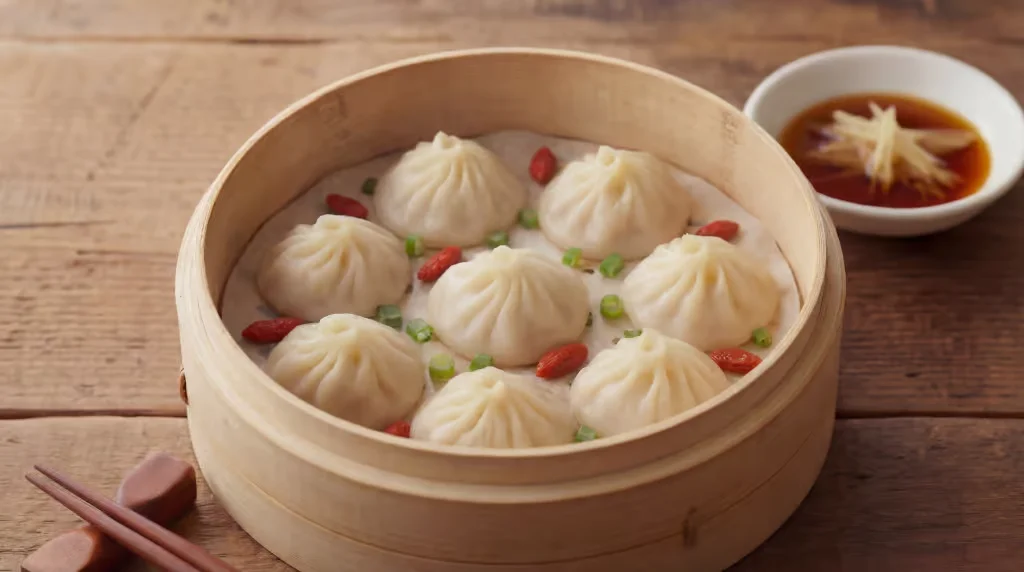
Making Soup Dumplings (Xiaolongbao) at home sounds scary, right? Those delicate wrappers, the hot broth inside—what if they burst? Here’s the thing: once you understand the aspic trick (frozen broth that melts when steamed), it’s actually doable. This guide walks you through foolproof Chinese soup dumplings for steaming, even if you’ve never folded a dumpling before. You’ll learn the restaurant-style xiaolongbao with pork filling technique that actually works in a regular kitchen.
I tried making xiaolongbao three times before I got it right. The first batch? The wrappers tore and leaked everywhere. My kitchen counter looked like a crime scene. But my grandmother laughed and told me her secret: the dough needs to rest, and the gelatin broth needs to be cold and firm before you wrap it. That changed everything. Now I make them every few weeks, and people actually ask for the recipe.

Why This Recipe Wins
This isn’t some complicated restaurant method. It’s how home cooks in Shanghai actually make soup dumplings. The dough is forgiving. The filling uses basic ingredients. And the aspic? Just gelatin and chicken stock.
You don’t need fancy equipment or years of practice. The wrappers might not look perfect at first (mine still don’t), but they’ll hold the broth. That’s what matters.
Most recipes online skip the real problems beginners face. Like how wet the filling should be. Or why the dough tears when you roll it. I’m giving you the actual solutions.
Ingredients You’ll Need

For the Aspic (Gelatin Broth)
- 2 cups chicken stock – Use good quality, not the watery stuff. This becomes your soup.
- 2 teaspoons unflavored gelatin powder – This is the magic. It turns liquid into something you can wrap.
- 1 tablespoon soy sauce – Adds depth without overpowering the pork.
- 1 teaspoon ginger juice – Squeeze grated ginger through cheesecloth. Cuts the fatty richness.
For the Pork Filling
- 1 pound ground pork – Use pork with some fat content, around 20%. Lean pork makes dry dumplings.
- 2 tablespoons soy sauce – Seasons the meat and adds color.
- 1 tablespoon Shaoxing wine – If you don’t have it, dry sherry works fine.
- 1 teaspoon sesame oil – Just a little. Too much makes it taste like you’re eating a candle.
- 2 green onions, minced – Fresh flavor that brightens the pork.
- 1 teaspoon sugar – Balances the soy sauce saltiness.
- White pepper to taste – Black pepper works too, but white is traditional.

For the Dumpling Dough
- 2 cups all-purpose flour – Regular flour. Nothing fancy.
- ¾ cup warm water – Not hot, not cold. Body temperature feels right.
- Pinch of salt – Strengthens the gluten a bit.
How I Make Soup Dumplings (Xiaolongbao)
Step 1: Make the Aspic First
Heat the chicken stock until it’s warm. Sprinkle the gelatin over it and whisk. Add soy sauce and ginger juice. Pour into a shallow container and refrigerate for at least 3 hours. It needs to be solid.
Once firm, cut it into tiny cubes. Like small dice, maybe ¼ inch. These little cubes will melt inside your dumplings when you steam them.
Step 2: Mix the Filling
Put the ground pork in a bowl. Add soy sauce, wine, sesame oil, green onions, sugar, and white pepper. Mix with your hands or a spoon until everything comes together. It should look sticky.
Fold in the gelatin cubes gently. You want them distributed but not crushed. Cover and refrigerate while you make the dough. Cold filling is way easier to work with.
Step 3: Make the Dough
Put flour and salt in a bowl. Pour in warm water gradually, stirring with chopsticks or a fork. When it starts clumping, use your hands to knead it into a ball. Knead for about 5 minutes until smooth.
Cover with a damp towel. Let it rest for 30 minutes minimum. This step matters more than you think. Rested dough stretches without tearing.

Step 4: Roll and Fill
Divide the dough into 20-24 pieces. Roll each piece into a circle about 3 inches across. The middle should be slightly thicker than the edges.
Place about 1 tablespoon of filling in the center. Here’s where it gets tricky: pleat the edges. Pinch and fold, pinch and fold, working your way around in a circle. Aim for 10-15 pleats if you can.
Don’t stress if your first few look weird. They’ll still taste good.
Step 5: Steam Properly
Line your steamer with parchment paper. Poke holes so steam can rise. Place dumplings about 1 inch apart—they expand a little.
Bring water to a rolling boil. Put the steamer on top. Steam for 8-10 minutes. You’ll know they’re done when the wrappers look slightly translucent and the filling is cooked through.
Let them sit for 1 minute after steaming. Makes them easier to pick up without breaking.
Equipment
You don’t need a bamboo steamer, though it helps. Here’s what actually matters:
- Mixing bowls (any size)
- Rolling pin (or a wine bottle, honestly)
- Steamer basket or a metal colander over a pot
- Parchment paper with holes poked in it
- Small bowl of water for sealing dumplings
I use a regular metal steamer I got for fifteen bucks. Works perfectly. Don’t overthink the gear.
Tips That Make a Difference
Keep everything cold. When the filling warms up, the aspic melts and everything gets messy. Work in batches if needed.
Don’t overfill. I know you want maximum soup, but too much filling means the dumplings burst. One tablespoon is plenty.
Wet edges before sealing. Dip your finger in water and run it around the edge of the wrapper. Helps the pleats stick.
If the dough tears easily, you didn’t rest it long enough. Let it sit another 15 minutes.
Use a light hand with the rolling pin. You want thin wrappers, but not paper-thin. Think of a flour tortilla thickness.
Can’t find Shaoxing wine? Dry sherry or even sake works. In a pinch, leave it out. The dumplings won’t be as complex but they’ll still be good.
Easy Variations
Shrimp and Pork: Replace half the pork with chopped raw shrimp. Adds sweetness and a different texture.
Crab Xiaolongbao: Mix ½ cup lump crab meat into the pork filling. Super fancy, actually easy.
Vegetarian Version: Use finely chopped mushrooms, cabbage, and firm tofu instead of pork. You’ll need to add a bit more soy sauce and sesame oil for flavor. The aspic stays the same—it’s just savory gelatin.
Spicy Twist: Add a teaspoon of chili oil to the filling. Not traditional, but really tasty if you like heat.
Storage and Reheating
Uncooked dumplings: Freeze them on a tray until solid, then transfer to a freezer bag. Steam from frozen—just add 2-3 extra minutes to the cooking time. They keep for about 2 months.
Cooked dumplings: Honestly, they’re best eaten right away. The wrappers get gummy when refrigerated. If you must store them, keep in the fridge for 1 day max. Reheat by steaming for 3-4 minutes.
Pro tip: Make a big batch and freeze them uncooked. That way you can steam fresh dumplings whenever you want them without all the work.
FAQs
Why did my soup dumplings burst open?
Usually it’s one of three things: the wrappers are too thin, you overfilled them, or the seal wasn’t tight. Make sure you’re pinching the pleats firmly and using that water seal trick. Also, don’t let the filling get too warm before wrapping.
Can I make authentic xiaolongbao without gelatin?
Technically yes—traditional recipes use pork skin boiled for hours to create natural gelatin. But that takes forever and most home cooks don’t want to deal with it. Powdered gelatin gives you the same result in 3 hours instead of 8. Easy homemade xiaolongbao with gelatin broth is the smart shortcut.
How do I eat soup dumplings without burning my mouth?
Put the dumpling on your spoon. Nibble a tiny hole in the side. Sip the broth carefully—it’s hotter than you think. Then eat the rest. Some people mix the broth with black vinegar and ginger on the spoon first. Both ways work.
My dough is too sticky to roll. What now?
Dust your work surface and rolling pin with flour. A little extra flour on your hands helps too. If it’s really wet, knead in a tablespoon of flour at a time until it’s manageable. Better slightly firm than sticky.
Do I really need 10-15 pleats for restaurant-style xiaolongbao?
No. Honestly, 6-8 pleats work fine as long as the dumpling is sealed. More pleats look prettier, but they don’t change the taste. When I’m tired, I do fewer pleats. Nobody has ever complained.
Final Note
Making soup dumplings at home won’t be perfect the first time. Maybe not even the second time. But somewhere around batch three, something clicks. Your hands figure out the rhythm. The dough starts cooperating. And suddenly you’re pulling a bamboo steamer off the stove with 20 perfect little packages of pork and soup.
The step-by-step soup dumpling guide for beginners is really about practice. My grandmother made these every Sunday for forty years, and she still said some days the dough had an attitude. That made me feel better about my early disasters.
Start with a small batch. Maybe 12 dumplings. Get comfortable with the process before you scale up. And remember: even ugly dumplings taste amazing when they’re filled with hot broth and pork.
This perfect soup dumplings recipe at home is my grandmother’s method simplified for regular kitchens. It works. Give it a shot.
*This post may contain affiliate links which means I may earn commissions for purchases made through links at no extra cost to you. See https://asianfoodsdaily.com/disclaimer/* for more infomation
Post your Comment
0 Comments
No comments yet. Be the first to share your thoughts!