How to Make Authentic Hokkien Mee At Home
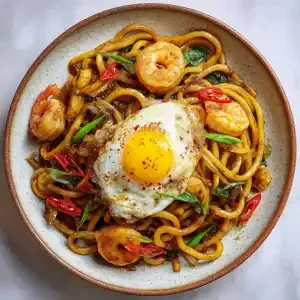
Imagine a steaming plate of noodles, glistening with a rich, savory sauce, studded with plump prawns and tender slices of pork. The aroma of garlic and soy sauce fills the air, teasing your senses and making your stomach rumble. This is Hokkien Mee, a dish that’s won over food enthusiasts across Singapore and Malaysia. What makes it so unforgettable? Is it the perfect chew of the noodles, the burst of umami in every bite, or the way it feels like a warm hug on a plate? In this blog post, we’ll unravel the story of Hokkien Mee—its origins, ingredients, cultural significance, and why it’s a must-try. Grab a seat, because this is going to be a tasty journey!

The Origins of Hokkien Mee
To understand Hokkien Mee, we need to travel back to its roots. Hailing from the Fujian province of China, this dish started as “Hokkien Char Mee,” a simple stir-fried noodle recipe brought to Southeast Asia by Chinese immigrants. Over time, it transformed, soaking up the flavors and influences of its new home in Singapore and Malaysia.
In Singapore, Hokkien Mee is a stir-fried delight, featuring a mix of yellow wheat noodles and rice noodles cooked with prawns, squid, and pork in a fragrant prawn-and-pork-bone stock. Across the Causeway in Malaysia, particularly in Kuala Lumpur, you’ll find a darker, soupier version with a bold soy sauce kick. Both styles share a common thread: they’re hearty, flavorful, and a testament to the region’s multicultural culinary tapestry. How did a dish from China become such a Southeast Asian icon? It’s all about adaptation—local ingredients and tastes turned a humble recipe into something extraordinary.
The Key Ingredients
Hokkien Mee isn’t just food; it’s a symphony of flavors and textures. Every component plays its part, and here’s what you’ll find on the plate:
- Noodles: A duo of yellow wheat noodles and thick rice noodles (bee hoon) creates that signature chewy-yet-soft texture.
- Seafood: Juicy prawns and tender squid bring a sweet, oceanic note to the dish.
- Pork: Thinly sliced pork belly or crispy pork lard adds a rich, melt-in-your-mouth depth.
- Sauce: The soul of Hokkien Mee lies in its sauce—a blend of soy sauce, oyster sauce, and a stock simmered from prawn heads and pork bones. It’s umami heaven.
- Aromatics: Garlic and shallots (sometimes ginger) lay down a fragrant foundation.
- Eggs: Scrambled into the mix, eggs add a creamy richness.
- Vegetables: Chinese chives or spring onions offer a fresh, crunchy finish.
Quality is everything here. Fresh prawns, a well-made stock, and perfectly cooked noodles can elevate Hokkien Mee from good to unforgettable. What’s your must-have ingredient when you dig into a plate of this goodness?

Preparing Hokkien Mee at Home
Sure, you can find Hokkien Mee at hawker stalls and restaurants, but cooking it yourself? That’s a whole new level of satisfaction. Here’s a beginner-friendly guide to whip it up in your kitchen:
- Make the Stock: Simmer prawn heads and pork bones in water for at least an hour. Strain it, and you’ve got liquid gold.
- Prep the Noodles: Blanch yellow and rice noodles in boiling water until just tender, then drain.
- Fire Up the Wok: Sauté garlic and shallots over high heat until they perfume your kitchen.
- Cook the Proteins: Add prawns, squid, and pork belly, stir-frying until they’re just cooked through.
- Bring It Together: Toss in the noodles, pour in the sauce and stock, and stir-fry like your life depends on it. High heat is your friend here.
- Finish Strong: Add beaten eggs, scramble them into the mix, and sprinkle in some chives or spring onions.
Here’s a little secret: the magic of Hokkien Mee comes from “wok hei”—that smoky essence you get from a blazing-hot wok. No wok? No problem—just crank up your stove and keep things moving. Fair warning: your kitchen might smell like a hawker center for days, but that’s half the fun!
The Cultural Significance of Hokkien Mee
Hokkien Mee isn’t just a dish—it’s a cultural cornerstone in Singapore and Malaysia. You’ll spot it everywhere, from bustling night markets to family dinners. It’s comfort food with a capital “C,” bridging generations and sparking nostalgia with every bite.
For many, it’s tied to memories of late-night suppers or rainy days at a hawker stall, the sizzle of the wok mingling with laughter and chatter. It’s a dish that unites people, whether you’re elbow-to-elbow with strangers at a food court or sharing a plate with loved ones. What’s your go-to Hokkien Mee moment? For me, it’s a reminder of the vibrant, food-obsessed spirit of Southeast Asia.
A Personal Tale of Hokkien Mee Love
My first taste of Hokkien Mee was a game-changer. I was in Singapore, lost in a maze of hawker stalls, when a friend dragged me to a tiny spot with a line snaking out the door. “Trust me,” she said. I did—and I’ve never looked back. The plate arrived, steaming and fragrant, with prawns so fresh they practically danced off the noodles. One bite, and I was smitten—the savory sauce, the tender pork, the hint of smokiness. It was love at first slurp. Now, whenever I’m craving a taste of that trip, Hokkien Mee is my go-to fix.
Why Hokkien Mee Hooks You
What’s the secret to Hokkien Mee’s addictive charm? It’s the whole package. The noodles soak up that luscious sauce, while the seafood and pork deliver waves of flavor. That wok hei smokiness? It’s the cherry on top. Add a dollop of sambal chili for a spicy twist, or keep it classic—either way, it’s a rollercoaster for your taste buds.
And let’s be real: who can resist a dish this versatile? Pile on extra prawns, sneak in some pork lard for crunch, or squeeze a lime for a zingy kick. It’s your playground. Ever tried tweaking it your way? I dare you—it’s impossible to mess up something this delicious.
Your Turn to Taste the Magic
Hokkien Mee is more than just a noodle dish—it’s a love letter to Southeast Asian cuisine. Whether you’re team Singaporean stir-fry or team Penang soup, there’s no wrong way to enjoy it. So, why not give it a try? Hunt down a hawker stall, or roll up your sleeves and cook it yourself. Either way, your taste buds are in for a treat.
What about you—what’s your take on Hokkien Mee? Got a favorite version or a funny cooking story? Drop it in the comments below, and let’s keep the noodle conversation going!
This post may contain affiliate links which means I may earn commissions for purchases made through links at no extra cost to you.
*See https://asianfoodsdaily.com/disclaimer/* for more infomation…
Post your Comment
0 Comments
No comments yet. Be the first to share your thoughts!