How to Make Authentic Asian Beef Stew
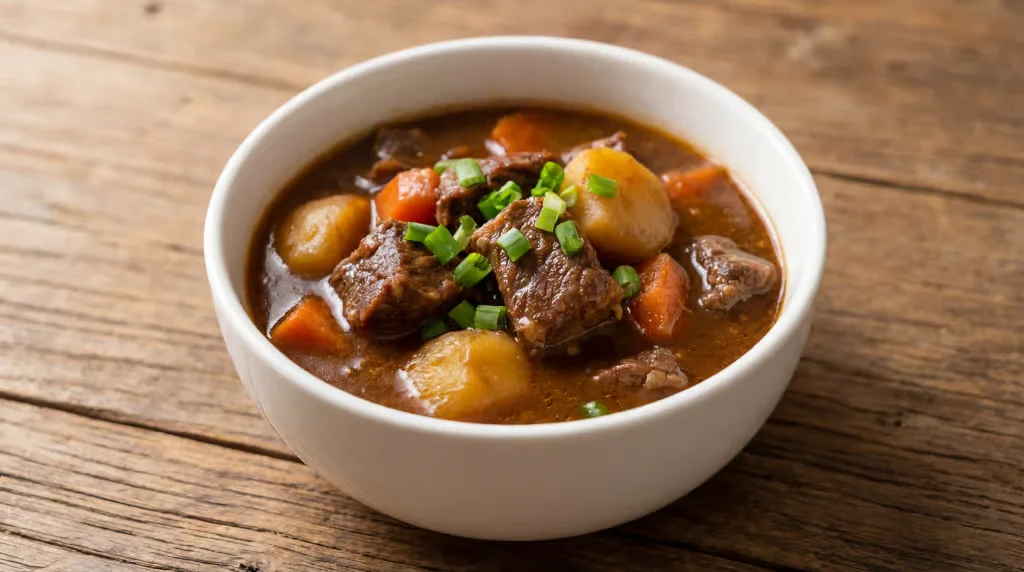
If you’ve been craving a bowl of something warm, rich, and deeply flavorful—the kind that fills your kitchen with aromas that make everyone ask “what’s cooking?”—this authentic Asian beef stew recipe is for you. This post walks you through making traditional Chinese braised beef stew that actually tastes like the versions from small restaurants in Taipei or Hong Kong. No fancy ingredients you can’t find. No confusing steps.

Why This Asian Beef Stew Recipe Wins
This isn’t your typical beef stew. The best Asian beef stew for winter uses a completely different flavor profile than Western versions. Instead of red wine and tomatoes, we’re building depth with star anise, five-spice, and shiitake mushrooms.
The beef becomes melt-in-your-mouth tender. Not just “okay, it’s cooked through” tender. I mean the kind where your spoon cuts right through it.
You can make it ahead. Actually, it tastes better the next day when the flavors have had time to get friendly with each other.
Kids eat it. Even picky ones. The sweetness from rock sugar balances everything out.
Ingredients You’ll Need
For the Beef:
- 2.5 pounds beef chuck, cut into 2-inch chunks – This cut has enough fat and connective tissue to stay juicy during long cooking
- 2 tablespoons vegetable oil – For browning
Aromatics:
- 6 slices fresh ginger (about 1/4 inch thick) – Cuts through the richness of the beef
- 4 cloves garlic, smashed – Adds depth without overpowering
- 3 green onions, cut into 2-inch pieces – Use both white and green parts

Spices:
- 3 whole star anise – The signature flavor of traditional Chinese braised beef stew
- 1 cinnamon stick – Adds warmth
- 2 teaspoons Chinese five-spice powder – Contains star anise, cloves, cinnamon, Sichuan peppercorns, and fennel
- 2 dried red chilies (optional) – Just for a tiny background heat
Liquid Base:
- 1/4 cup Shaoxing wine – Chinese cooking wine; dry sherry works in a pinch
- 1/3 cup dark soy sauce – For color and depth
- 2 tablespoons light soy sauce – For saltiness
- 3 tablespoons rock sugar or brown sugar – Balances the salty-savory elements
- 4 cups beef stock – Store-bought is fine
Vegetables:
- 8-10 dried shiitake mushrooms, rehydrated – These add an earthy, umami punch
- 3 medium carrots, cut into chunks – They soak up all that gorgeous broth
- 2 medium daikon radish, cut into chunks – Traditional addition that becomes silky
How I Make This Homemade Asian Beef Stew
Step 1: Prep Everything First
Cut your beef into proper chunks. Not too small—they’ll shrink as they cook. Pat them dry with paper towels. This matters for browning.
Soak your dried shiitake mushrooms in warm water for 20 minutes. Save that soaking liquid. It’s liquid gold.
Step 2: Brown the Beef
Heat your pot over medium-high. Add the oil. When it shimmers, add half the beef chunks. Don’t crowd them.
Let them sit for 2-3 minutes without touching. You want a real brown crust, not gray steamed meat. Flip and brown the other sides. Remove and repeat with the remaining beef.

Step 3: Build the Flavor Base
Lower the heat to medium. In the same pot (don’t wipe it out), add the ginger, garlic, and the white parts of green onions. Stir for about 30 seconds until fragrant.
Toss in the star anise, cinnamon stick, five-spice, and dried chilies if using. Stir for another 15 seconds. Your kitchen should smell amazing right about now.
Step 4: Deglaze and Combine
Pour in the Shaoxing wine. Scrape up all those brown bits stuck to the bottom. That’s where the flavor lives.
Add both soy sauces, the rock sugar, and stir until the sugar dissolves.
Step 5: The Long Simmer
Return the beef to the pot. Add the beef stock and the mushroom soaking liquid (leave any gritty sediment at the bottom of the bowl).
Bring everything to a boil, then immediately reduce to the lowest simmer. Cover with the lid slightly ajar.
Cook for 2 hours, checking occasionally to make sure it’s barely bubbling.
Step 6: Add Vegetables
After 2 hours, add the rehydrated shiitake mushrooms, carrots, and daikon. Push them down into the liquid.
Cover and cook for another 45 minutes until the vegetables are tender and the beef is falling apart.
Step 7: Final Touches
Taste the broth. Add more soy sauce if it needs salt. If it’s too salty, add a splash of water.
Skim off any excess fat from the surface if you want. I usually leave a little because it adds richness.
Garnish with the green parts of the green onions.

Equipment You’ll Need
You don’t need anything fancy. A heavy-bottomed Dutch oven or a large pot with a lid works perfectly. I use my 6-quart Le Creuset, but honestly, my grandmother made this in a basic stainless steel pot for decades.
If you have a pressure cooker or Instant Pot, you can cut the cooking time down to about 45 minutes. But there’s something about the slow simmer method that just feels right for this dish.
Tips That Make a Difference
Don’t rush the browning. Seriously. That caramelization creates depth you can’t get any other way.
Use rock sugar if you can find it. Asian grocery stores carry it. It gives a cleaner sweetness than regular sugar. Brown sugar is the next best option.
The beef should be barely simmering. Big rolling bubbles will make the meat tough. You want tiny bubbles breaking the surface every few seconds.
Make it a day ahead. This easy Asian beef stew with star anise tastes even better after sitting overnight. The flavors meld together in a way that’s hard to describe but easy to taste.
Skim the fat. If you refrigerate it overnight, the fat will solidify on top. Just lift it off before reheating.
Easy Variations to Try
Make it spicier: Add more dried chilies or a tablespoon of doubanjiang (fermented broad bean paste) with the aromatics.
Use different cuts: Beef shank or short ribs work beautifully. You might need to adjust cooking time.
Add noodles: Serve over thick wheat noodles or rice noodles for a complete meal. Some people add noodles right to the pot for the last 10 minutes.
Different vegetables: Baby bok choy, potato chunks, or lotus root are all traditional additions. Add heartier vegetables earlier, delicate greens at the end.
Tomato version: Some families add 2-3 quartered tomatoes. It’s not traditional everywhere, but it’s common in certain regions and adds a nice tang.
Storage and Reheating
Refrigerator: This stew keeps for 4-5 days in an airtight container. The flavors actually improve.
Freezer: Freezes beautifully for up to 3 months. I portion it into individual containers for easy weeknight dinners.
Reheating: Stovetop is best. Add a splash of water or stock if it’s too thick. Microwave works too, but stir it halfway through and be careful—that broth gets volcanic hot.
Pro tip: If you’re meal prepping, store the beef and vegetables in the broth. They’ll stay more tender than if you drain them.
FAQs About Asian Beef Stew
Can I make this classic Asian beef stew with five-spice in a slow cooker?
Yes. Brown the beef and cook the aromatics on the stovetop first, then transfer everything to your slow cooker. Cook on low for 6-8 hours or high for 4-5 hours. Add the vegetables in the last 90 minutes.
What if I can’t find star anise?
Star anise is really the signature flavor here, but you could increase the five-spice powder to 1 tablespoon as a substitute. The taste won’t be quite the same, but it’ll still be good. Most regular grocery stores carry star anise in the spice aisle now.
Is Shaoxing wine necessary?
It adds authentic flavor, but dry sherry is a solid substitute. In a pinch, use a dry white wine plus a tiny splash of rice vinegar. Don’t use regular rice wine—it’s too sweet.
My stew is too salty. How do I fix it?
Add a peeled potato cut into chunks and simmer for 15 minutes. It’ll absorb excess salt. Then remove the potato. You can also add more water or stock and a small spoonful of sugar to balance it out.
**Can I use a different type of mushroom?
Fresh shiitake mushrooms work, but dried ones have way more concentrated flavor. If you must substitute, use a mix of cremini and a small amount of dried porcini for that earthy depth. Button mushrooms won’t give you the same result.
Final Note
This dish taught me that cooking isn’t just about following recipes. It’s about understanding why things work. Why we brown the meat. Why we use rock sugar instead of white. Why the simmer has to be gentle.
Every time I make this, I think about my grandmother’s tiny kitchen and how she’d stand there tasting and adjusting without measuring anything. Now I get it. Once you make this a few times, you’ll start to feel when it needs more soy sauce or another chunk of ginger.
The first time might take you close to three hours. The second time, you’ll move faster because you’ll know what to expect. By the fifth time, you’ll be making adjustments based on what your family likes.
That’s when it stops being “a recipe” and starts being your version of authentic Asian beef stew.
Serve it over steamed white rice with the broth spooned generously on top. Put out some pickled vegetables on the side. Pour tea. Sit down with people you care about.
That’s what this dish is really for.
This post may contain affiliate links which means I may earn commissions for purchases made through
Post your Comment
0 Comments
No comments yet. Be the first to share your thoughts!