How Snow skin Mooncakes Outshine Traditional Mochi
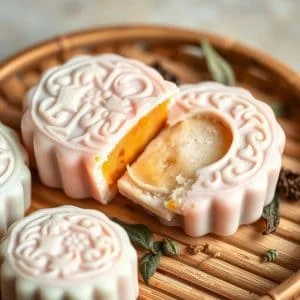
I visited an ancient Japanese festival where I first tasted Snow skin Mooncakes. But as delicious as they were, I wondered: how could something so fragile outshine the classic chewiness of traditional mochi?

Snow skin moon cake
Snow skin mooncakes and traditional mochi desserts are two popular treats people have enjoyed for centuries. While both are delicious and popular, some key differences set them apart.
Traditional mochi desserts are made with pounded rice that is molded into various shapes and flavors, creating a chewy texture that’s both soft and firm at the same time. In contrast, snow skin mooncakes combine glutinous rice flour and sugar to create a smooth, silky texture similar to ice cream. These unique desserts are ideally suited for parties and celebrations due to their visually stunning appeal.
Snow skin mooncakes are often filled with sweet fillings such as red bean or lotus seed paste, adding an extra layer of flavor and excitement. Traditional mochi desserts on the other hand, tend to be more straightforward in their flavor profiles.
The vibrant colors and intricate designs make them a showstopper at any gathering. Lunar New Year festivities in Asia often feature elaborate mooncake displays with custom-designed wrappers, highlighting the perfect marriage of artistry and flavor. Whether you’re a fan of traditional mochi desserts or have tried snow skin mooncakes, there’s no denying that both types of treats have unique charms.

Japanese Mochi
The Magic Behind Snow skin Mooncakes’ Exceptional Taste &Texture
Snow skin mooncakes are a Chinese pastry that has gained immense popularity worldwide for its unique texture and taste. The secret to snow skin lies in its delicate balance between softness, crunchiness, and moisture level.
In a traditional mooncake recipe, these components are achieved by carefully layering ingredients such as sugar syrup or red bean paste into dough. But what makes Snow Skin so unique is the right proportion of water content that maintains its crispy outer shell while allowing for an airy interior. The combination of tapioca and cornstarch in snow skin perfectly balances crunchiness and softness. When cooked properly, these starches combine to give you a delightfully textured mooncake experience.
Mastering this delicate balance is crucial when making Snow Skin Mooncakes from scratch—adding too much water can make them soggy, while not enough can leave you with an unpalatable dry cookie. Using the right type of sugar syrup or red bean paste also plays a vital role in maintaining the perfect moisture level.
Another aspect often overlooked is the role of resting time for Snow Skin Mooncakes. The longer, dough rests in its sweet syrup or red bean paste mixture before being formed into spheres and baked; it tends to allow more effective absorption.
Snow skin moon cake
Can the Unique Ingredients in Orange Chicken Complement Snow Skin Mooncakes?
The vibrant flavors of orange chicken can create an unexpected but delightful pairing with snow skin mooncakes. The tangy citrus notes enhance the delicate sweetness of the mooncakes, offering a perfect balance. For those looking to experiment with culinary fusions, this combination may just help you discover your new favorite guilty pleasure.
Techniques Used To Achieve Flawless Consistency
You’ve probably tasted those snow-skin mooncakes from a street vendor or bakery, but do you know what makes them so irresistible? They’re not just delicious, but they also have an incredible texture that sets them apart.
Artisanal techniques are the key to achieving perfect consistency. It’s all about finding that balance between crunch and softness in every single bite. Those snow-skin mooncakes often contain a mixture of ingredients, such as glutinous rice flour and mung bean paste, which gives them an almost pillowy texture when cooked just right.
The key to the flaky layers is using short-grain glutinous rice flour. This rice flour contains more starch than other glutenous grains, allowing for a delicate crunch that contrasts beautifully with soft fillings. It’s almost like eating two textures in one delicious bite – and this harmonious combination makes those snow-skinned mooncakes unique.
Another factor is controlling moisture levels perfectly. When making the mung bean paste filling, too much water can cause it to become soggy or runny while cooking. The right balance of sweetness and richness is found by mixing in just the right amount of sugar – always a delicate task.
Lastly, that distinctive crispy exterior requires precise temperature control during baking—like perfecting your mooncake’s golden-brown edges without burning them to a crisp. The experts skillfully seal their baked creations with an artful touch by brushing the top surface of the cakes before serving. This delicate layer of oil or glaze brings that final crunch and also protects the cakes from being easily damaged when served on the go.
Japanese Mochi
Ingredient In Snow skin Mooncake vs Mochi
The main difference between the two lies in their fillings. Snow-skin mooncakes contain a sweetened lotus seed paste, made from dried red beans and provides a crunchy texture when bitten. Traditional mochi, on the other hand, uses rice flour to create its chewy dough-like consistency.
The type of ingredients used in each pastry can be traced back to their origins as well; snow skin mooncakes originated from southern China and used materials easily sourced there, like lotus seeds. Mochi has Japanese roots and incorporates abundant rice flour from that region.
Conclusion: Never use traditional mochi’s limitations to hold your desserts back. Imagine biting into a mooncake that’s moist and infused with the subtle sweetness of red bean paste, paired with a delicate crunch from toasted almonds.
Does it sound too good to be true? It’s not! That’s what makes snow skin mooncakes so extraordinary. They have revolutionized the world of Asian pastries by offering a distinct taste and texture that has captivated many.
Unlike traditional mochi, which can be dense and chewy, Snow skin mooncakes provide a delicate, soft crumb that melts in the mouth.
The delicate balance of textures and flavors in Snow skin mooncakes will leave customers wanting more. With a few simple tweaks, your traditional mochi can join the ranks of these delightful pastries.
Post your Comment
0 Comments
No comments yet. Be the first to share your thoughts!