Chinese Eggplant with Garlic Sauce
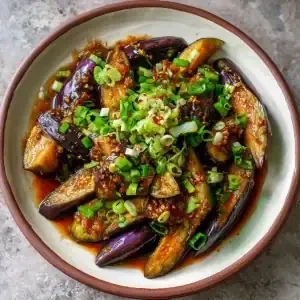
If your veggie rotation is feeling a little stale, let me introduce you to a game-changer: Chinese Eggplant. This slender, vibrant gem is a rockstar in Asian kitchens, but it might not yet have a spot in your recipe lineup. With its mild flavor, tender texture, and fewer seeds than the chunky globe eggplants you’re probably used to, Chinese Eggplant is ready to shake up your cooking routine. So, grab a cup of tea, and let’s chat about why this veggie deserves a place on your plate—and maybe even in your heart.

What Makes Chinese Eggplant Special?
Picture a vegetable that’s long, lean, and dressed in a glossy purple or lavender coat. That’s Chinese Eggplant for you—sometimes called Asian Eggplant, and always stealing the show with its elegant vibe. Here’s what sets it apart:
- Shape and Size: Think 6 to 10 inches long and just 1 to 2 inches wide—more runway model than linebacker compared to globe eggplants.
- Flavor Profile: It’s milder and slightly sweeter, with a tender bite that doesn’t leave you chewing on bitterness.
- Seed Situation: Fewer seeds mean less fuss and a smoother texture.
Why does this matter? Because that delicate flavor and silky consistency make it a dream for soaking up sauces in stir-fries or melting into braised dishes. It’s like the eggplant world’s best-kept secret—until now, of course.
The Nutritional Perks of Chinese Eggplant
Chinese Eggplant isn’t just here to look pretty—it’s got some serious health cred too. Here’s the lowdown on why it’s a smart pick:
- Low-Calorie Win: About 20 calories per cup—perfect for keeping things light without sacrificing flavor.
- Fiber Boost: Around 3 grams per cup to keep your digestion happy and your appetite in check.
- Vitamin Vibes: Packed with vitamin C for your immune system and vitamin K for strong bones and good clotting.
- Mineral Magic: Potassium to keep your blood pressure steady and manganese to support your metabolism.
It’s not a miracle cure (no veggie is!), but adding Chinese Eggplant to your meals is a tasty way to sneak in some nutrients. Who knew something so delicious could be this good for you?

Cooking with Chinese Eggplant: Tips to Nail It
Ready to get hands-on with this veggie? Cooking Chinese Eggplant is a breeze once you know the basics. Here are some pro tips to make it shine:
- Pick a Winner: Go for eggplants that feel firm, look glossy, and have smooth, taut skin—no wrinkles or soft spots allowed.
- Chop Smart: Slice it into rounds, cubes, or strips, but keep the pieces uniform so they cook evenly.
- Tame the Bitterness: It’s less bitter than other eggplants, but a quick trick—sprinkle with salt, let it sit for 15-20 minutes, then rinse—can make it even milder.
- Cook It Right: Stir-fry or braise it to lock in that tender texture and let it soak up all the tasty flavors.
Want a quick win? Toss some chopped Chinese Eggplant in a hot pan with garlic, soy sauce, and a drizzle of sesame oil. In minutes, you’ve got a side dish that’s simple, savory, and oh-so-satisfying. What’s stopping you from trying it tonight?
Mouthwatering Chinese Eggplant Dishes to Try
Chinese Eggplant struts its stuff in some iconic dishes that’ll have you reaching for your wok. Here are two classics to get you started:
- Yu Xiang Qie Zi (Fish-Fragrant Eggplant): Don’t let the name fool you—there’s no fish here! This Sichuan stunner pairs eggplant with a bold sauce that’s sweet, sour, spicy, and packed with garlic, ginger, and chili paste. It’s a flavor rollercoaster you won’t want to get off.
- Di San Xian (Three Delights from the Earth): A cozy mix of eggplant, potatoes, and bell peppers, stir-fried with soy sauce and garlic. It’s hearty, comforting, and proof that simple ingredients can become something extraordinary.
These dishes show off Chinese Eggplant’s superpower: playing nice with bold flavors while holding its own. Which one’s calling your name?
My Chinese Eggplant Moment
I still remember spotting Chinese Eggplant at the farmers’ market one sunny Saturday. Those slender purple beauties were practically winking at me from the stall, and I couldn’t resist grabbing a handful. That night, I threw together a quick stir-fry with garlic and soy sauce, and the smell—oh, the smell!—of sizzling eggplant and ginger filled my kitchen. One bite, and I was sold. It was tender, flavorful, and nothing like the eggplants I’d wrestled with before. Now, it’s my go-to whenever I want to impress someone—or just treat myself.
Why Chinese Eggplant Deserves a Spot in Your Kitchen
What makes Chinese Eggplant such a hit in Asian cuisine? Maybe it’s that perfect balance of mildness and texture, or how it transforms into something magical with just a little heat and seasoning. If your taste buds are bored with the usual suspects—looking at you, broccoli and carrots—this veggie might be the shake-up they’ve been begging for. Plus, it’s healthy without feeling like a chore. Tell me, doesn’t that sound like a win-win?
And here’s a little chuckle for you: I once tried to convince a friend it was a “skinny aubergine” on a diet. They didn’t buy it, but they did devour the stir-fry I made with it!
A Simple Recipe to Get You Started
Let’s put those tips into action with a beginner-friendly dish: Garlic Soy Chinese Eggplant Stir-Fry. Here’s how to whip it up:
Ingredients:
- 2 medium Chinese Eggplants, cut into bite-sized strips
- 2 tablespoons soy sauce
- 1 tablespoon sesame oil
- 3 cloves garlic, minced
- 1 teaspoon ginger, grated
- 1 tablespoon vegetable oil
- Optional: red pepper flakes for a kick
Steps:
- Salt the eggplant strips and let them sit for 15 minutes. Rinse and pat dry.
- Heat vegetable oil in a skillet over medium-high heat.
- Toss in the garlic and ginger—let that aroma hit you for about 30 seconds.
- Add the eggplant and stir-fry for 5-7 minutes until tender and golden.
- Stir in soy sauce and sesame oil, then cook for another minute.
- Sprinkle with red pepper flakes if you like it spicy, and serve hot with rice or noodles.
The first time I made this, I couldn’t believe how fast it came together—or how quickly it disappeared from my plate. It’s that good.
Final Thoughts and a Challenge
Chinese Eggplant isn’t just another vegetable—it’s an invitation to play in the kitchen, try new flavors, and maybe even channel your inner stir-fry master. Whether you’re savoring the spicy kick of Yu Xiang Qie Zi or keeping it simple with a garlicky stir-fry, this veggie brings something special to the table. Next time you’re browsing the produce aisle, snag a few and see where they take you.
So, what do you think—ready to give Chinese Eggplant a whirl? Drop your favorite recipes, cooking tips, or first impressions in the comments below. I’d love to hear how it goes!
This post may contain affiliate links which means I may earn commissions for purchases made through links at no extra cost to you.
*See https://asianfoodsdaily.com/disclaimer/* for more infomation
Post your Comment
0 Comments
No comments yet. Be the first to share your thoughts!