Authentic Sichuan Mapo Tofu Recipe
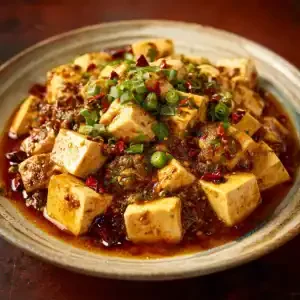
Mapo Tofu—it’s the dish that has food lovers everywhere reaching for a glass of water and then immediately diving back in for another bite. If you’ve never tried it, you’re in for a treat. If you have, you probably already know why this Sichuan classic is so addictive. But what makes Mapo Tofu so special? And more importantly, how can you make it at home without accidentally setting off the smoke alarm?

A Brief History of Mapo Tofu: From Chengdu to Your Plate
Mapo Tofu hails from the Sichuan province in China, a region famous for its bold, spicy cuisine. The name “Mapo” translates to “pockmarked old woman,” a nod to the woman, Chen Mapo, who is said to have invented the dish in the 19th century. Legend has it that Chen ran a small restaurant in Chengdu, where she created this masterpiece using tofu, ground meat, and a generous helping of Sichuan peppercorns and doubanjiang (a spicy fermented bean paste). Her innovative recipe quickly became a local favorite, and today, it’s a global sensation.
According to culinary historians, Chen Mapo’s use of doubanjiang and Sichuan peppercorns was revolutionary at the time, transforming a simple tofu dish into a flavor-packed experience. It’s no wonder that Mapo Tofu has stood the test of time—it’s the perfect balance of heat, umami, and that signature numbing sensation that Sichuan cuisine is known for.
What Makes Mapo Tofu So Irresistible?
The beauty of Mapo Tofu lies in its simplicity. At its core, it’s a dish of soft tofu simmered in a spicy, savory sauce with ground meat (usually pork or beef). But the real stars are the Sichuan-specific ingredients that give it its distinctive flavor:
- Doubanjiang: This fermented bean paste is the backbone of the dish, providing a deep, umami-rich base with a kick of heat.
- Sichuan Peppercorns: These little powerhouses add a unique numbing sensation (known as “mala”) that tingles on your tongue. It’s not just spicy—it’s an experience.
- Tofu: Soft or silken tofu is traditionally used, absorbing the flavors of the sauce while maintaining its delicate texture.
- Ground Meat: Typically pork or beef, though you can easily make a vegetarian version by omitting the meat or using mushrooms.
- Garlic, Ginger, and Scallions: These aromatics round out the dish, adding freshness and depth.
The combination of these ingredients creates a dish that’s spicy, savory, and slightly numbing—all while being incredibly comforting. It’s like a warm hug that also happens to slap you in the face (in the best possible way).

How to Make Mapo Tofu at Home
Ready to try your hand at making Mapo Tofu? Don’t be intimidated—it’s easier than you think. Here’s a simple recipe to get you started. (Pro tip: Have a glass of milk nearby if you’re sensitive to spice. You’ve been warned.)
Ingredients:
- 1 block of soft or silken tofu, cut into cubes
- 200g ground pork or beef (optional)
- 2 tablespoons doubanjiang
- 1 tablespoon Sichuan peppercorns, toasted and ground
- 2 cloves garlic, minced
- 1 tablespoon ginger, minced
- 2 tablespoons soy sauce
- 1 cup chicken or vegetable broth
- 1 tablespoon cornstarch mixed with 2 tablespoons water (for thickening)
- 2 scallions, chopped
- 1 tablespoon vegetable oil
Instructions:
- Prep the Tofu: Gently cut the tofu into 1-inch cubes. To prevent it from breaking apart, you can briefly blanch it in boiling water for 1-2 minutes, then drain and set aside.
- Cook the Meat: Heat the oil in a wok or large pan over medium heat. Add the ground meat and cook until browned. If you’re going vegetarian, skip this step or substitute with finely chopped mushrooms.
- Add the Aromatics: Stir in the garlic, ginger, and doubanjiang. Cook for 1-2 minutes until fragrant. Be careful not to burn the garlic—nobody likes bitter Mapo Tofu.
- Build the Sauce: Pour in the soy sauce and broth, then add the ground Sichuan peppercorns. Bring the mixture to a simmer.
- Add the Tofu: Gently slide the tofu cubes into the sauce. Let them simmer for 5-7 minutes, allowing the tofu to soak up all that glorious flavor. Resist the urge to stir too much—soft tofu is delicate!
- Thicken the Sauce: Stir in the cornstarch slurry and cook for another 1-2 minutes until the sauce thickens to your liking.
- Garnish and Serve: Sprinkle with chopped scallions and serve hot over steamed rice. (Trust me, you’ll want the rice to soak up every drop of that sauce.)
And there you have it—homemade Mapo Tofu that’s sure to impress. The best part? You can adjust the spice level to your liking. Love the heat? Add more doubanjiang. Prefer a milder version? Dial it back. It’s your kitchen, after all.
My First Encounter with Mapo Tofu
I still remember the first time I tasted Mapo Tofu. It was at a tiny, hole-in-the-wall restaurant in Chengdu, and I had no idea what I was in for. The dish arrived at the table, steaming hot and vibrant red, with that unmistakable aroma of garlic and spice. One bite, and I was hooked. The tofu was silky, the sauce was rich and spicy, and the Sichuan peppercorns left my tongue buzzing in the most delightful way. It was like a flavor explosion I’d never experienced before.
When I got home, I was determined to recreate that magic. After a few trial runs (and one memorable incident involving way too many peppercorns), I finally nailed it. Now, Mapo Tofu is a staple in my kitchen—and I hope it becomes one in yours too.
Mapo Tofu Isn’t Just for Vegetarians
Beyond its incredible flavor, Mapo Tofu has some nutritional perks too. Tofu, the star of the dish, is a fantastic source of plant-based protein, making it a great option for vegetarians, vegans, or anyone looking to cut back on meat. It’s also low in calories and rich in calcium and iron.
And let’s not forget the Sichuan peppercorns. While they’re best known for their numbing heat, they also have antioxidant properties and have been used in traditional Chinese medicine for centuries. So, not only does Mapo Tofu taste amazing, but it’s also doing your body some good. Win-win!
How Hot Is Too Hot?
Here’s a question for you: How do you like your Mapo Tofu—mild, medium, or “send help, my mouth is on fire”? Everyone’s spice tolerance is different, and that’s the beauty of this dish. You can easily adjust the heat to suit your taste buds.
If you’re new to Sichuan cuisine, start with a smaller amount of doubanjiang and Sichuan peppercorns. You can always add more later if you’re feeling brave. And if you’re a spice veteran, go wild—crank up the heat and embrace the burn.
What’s your spice preference? Do you go for the full numbing experience, or do you keep it tame? Share your thoughts in the comments—I’d love to hear how you like your Mapo Tofu!
The Numbing Sensation
Be warned: the Sichuan peppercorns in Mapo Tofu can leave your tongue feeling like it’s been to a rave party. It’s not just heat; it’s a tingling, numbing sensation that’s both strange and addictive. If you’ve never tried it before, it might catch you off guard—but trust me, it’s a party you’ll want to attend again and again.
The first time I experienced the “mala” effect, I wasn’t sure if I loved it or if my mouth was malfunctioning. But after a few bites, I was all in. It’s like a rollercoaster for your taste buds—thrilling, a little scary, but ultimately unforgettable.
*This post may contain affiliate links which means I may earn commissions for purchases made through links at no extra cost to you. See https://asianfoodsdaily.com/disclaimer/* for more infomation
Post your Comment
0 Comments
No comments yet. Be the first to share your thoughts!