Which Tastes Better: Dumplings or Gyoza?
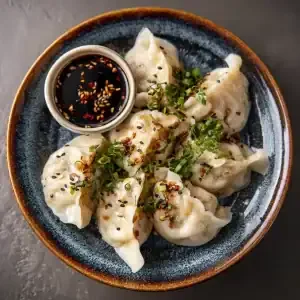
When it comes to comfort food, few things can compete with a plate of steaming dumplings or a sizzling batch of gyoza. Both are bite-sized pockets of joy, but if you’ve ever wondered which one reigns supreme in the taste department, you’re in for a treat. Today, we’re pitting dumplings against gyoza in a flavor showdown that’s bound to leave your mouth watering. Are you team dumpling or team gyoza? Let’s explore what makes each one special and see if we can settle this delicious debate.

Dumplings
What Are Dumplings?
Dumplings are the ultimate global comfort food. At their simplest, they’re a filling—think meat, veggies, or a mix of both—wrapped in a doughy hug. But here’s the kicker: dumplings aren’t tied to one culture. They’re a worldwide phenomenon with countless variations.
Take Chinese jiaozi, for example, plump with pork and chives, or Polish pierogi, stuffed with potatoes and cheese. Then there’s Italian ravioli, delicate and saucy. Whether they’re boiled, steamed, fried, or even baked, dumplings adapt to whatever craving you’ve got. Sweet or savory, light or hearty—dumplings have it all. How do you even choose when the options are this good?
What Is Gyoza?
Gyoza, on the other hand, is a bit more specific. These Japanese dumplings are like the cool, edgy cousin of the dumpling family. Typically filled with ground pork, cabbage, garlic, and ginger, gyoza are wrapped in a thin dough and cooked with a signature move: pan-fried until crispy on the bottom, then steamed to juicy perfection.
Gyoza owe their roots to Chinese jiaozi, but they’ve carved out their own identity in Japan. You’ll often find them paired with a tangy soy-vinegar dipping sauce, served up in izakayas or at home as a crowd-pleasing snack. That crispy-soft combo? It’s a texture game-changer.

Gyoza
The Taste Test: Dumplings vs. Gyoza
So, which one tastes better? Let’s break it down by ingredients, cooking methods, flavor, and texture—because taste isn’t just about what hits your tongue; it’s the whole experience.
- Ingredients: Dumplings are the wild card. You might get shrimp and pork one day, mushrooms and spinach the next. Gyoza stick to a tighter script: pork, cabbage, garlic, ginger. It’s a reliable, savory combo that’s tough to mess up.
- Cooking Methods: Dumplings are the jack-of-all-trades—boiled, steamed, fried, you name it. Gyoza, though, have their signature pan-fried style. That golden crunch followed by a steamy bite? It’s pure magic.
- Flavor: Dumplings can go anywhere flavor-wise. A steamed jiaozi might be subtle and light, while a fried pierogi is rich and indulgent. Gyoza bring a bold, umami-packed punch with garlic and ginger leading the charge.
- Texture: Gyoza take the crown here with their crispy-meets-tender contrast. Dumplings can be amazing, but unless they’re fried, they don’t always deliver that double-texture thrill.
Quick Comparison
- Dumplings: Endless variety, adaptable cooking styles, flavors for every mood.
- Gyoza: Consistent filling, crispy-soft texture, savory and addictive.
Still torn? Don’t worry, I get it—choosing between these two is like picking a favorite child (not that I’d know, but you get the gist).
Dumplings
My Dumpling and Gyoza Moments
I’ve got a soft spot for both, and I’ll let you in on why. My first gyoza experience was in a bustling Tokyo izakaya. The plate hit the table, still sizzling, with those golden bottoms begging to be dipped in sauce. One bite, and I was sold—the crunch, the juiciness, the flavor explosion. It was like the dumpling gods had sent me a gift.
But dumplings? They’re family to me. Growing up, we’d spend hours folding Chinese dumplings by hand—pork, shrimp, a sprinkle of chives. The kitchen smelled like soy sauce and love, and biting into one felt like a warm hug. There’s nothing quite like that homemade vibe.
So, where do I land? If I’m after comfort and nostalgia, dumplings win. But if I want something quick, crispy, and packed with attitude, gyoza steal the show. What about you—what’s your go-to?
The Verdict (Or Lack Thereof)
Here’s the thing: there’s no clear winner. Dumplings bring variety to the table—literally. You can switch up the filling, the cooking style, the vibe. Gyoza, though, deliver a consistent, crave-worthy experience that’s hard to top. It’s like comparing a playlist of all your favorite songs to one killer track on repeat. Both are awesome; it just depends on what you’re feeling.
Why not put it to the test yourself? Grab some dumplings and gyoza next time you’re out, or better yet, whip up a batch of each at home. Invite some friends, make it a party—because honestly, who doesn’t love a good food debate?
Share Your Thoughts
So, which one tastes better to you—dumplings or gyoza? Drop your vote in the comments below, or share your favorite way to enjoy them. Got a killer recipe? I’m all ears. Let’s keep this tasty conversation going—because food this good deserves to be talked about.
*This post may contain affiliate links which means I may earn commissions for purchases made through links at no extra cost to you. See https://asianfoodsdaily.com/disclaimer/* for more infomation
Post your Comment
0 Comments
No comments yet. Be the first to share your thoughts!