Regional Variations of Ramen Across Asia
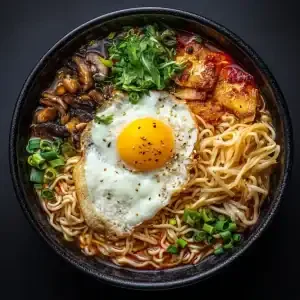
Ramen, the beloved noodle dish that’s won over hearts and taste buds worldwide, is so much more than a quick meal. It’s a cultural icon with deep roots and endless variations, each telling a story of its region’s flavors, traditions, and ingenuity. Today, we’re taking a culinary trip across Asia to explore how ramen changes from country to country. Ready for a bowlful of discovery? Let’s slurp our way through Japan, China, Korea, and Southeast Asia!

Ramen Noodles
What’s Ramen All About?
At its heart, ramen is a Japanese dish of wheat noodles swimming in a savory broth—usually meat or fish-based—and jazzed up with toppings like pork, seaweed, or a perfectly jammy egg. But here’s the twist: ramen didn’t start in Japan. It’s got Chinese origins, and over time, it’s morphed into a dish with a thousand faces across Asia. So, what makes each version special? Let’s find out.
Japan: Where Ramen Rules
Japan is ramen’s spiritual home, and every region has its own spin on the dish. Here are some standouts:
- Tokyo Ramen (Shoyu Ramen) Think of this as ramen’s classic go-to. It’s got a clear, soy sauce-based broth that’s light but bursting with umami. Curly, thin noodles soak up the flavor, and it’s topped with bamboo shoots, pork slices, and a crisp sheet of nori. It’s simple yet sophisticated—like the ramen world’s version of a tailored suit.
- Sapporo Ramen (Miso Ramen) From chilly Hokkaido, this style brings the warmth. The broth is thick and miso-based, with a sweet, nutty edge. Add some corn, a pat of butter, and ground pork, and you’ve got a bowl that feels like a cozy blanket. Perfect for those days when you need a little extra comfort.
- Hakata Ramen (Tonkotsu Ramen) Fukuoka’s gift to the world, this ramen features a creamy, pork bone broth simmered until it’s practically a hug in liquid form. The noodles are straight and thin, and toppings are kept minimal—green onions and pickled ginger do the trick. It’s so rich, you might wonder why you ever bothered with anything less.
Quick Thought: If you’re ever in Japan, why settle for just one style? Each bowl is like a postcard from its region—eat your way through the country!

China: The Noodle OG
Ramen’s story starts in China, where noodle soups like lamian laid the groundwork. These dishes aren’t ramen in the Japanese sense, but they’re close kin. Check these out:
- Lanzhou Beef Noodle Soup From northwestern China, this dish is all about hand-pulled noodles in a clear, fragrant broth spiced with star anise and cinnamon. Topped with tender beef and fresh herbs, it’s a soul-soothing classic. If ramen had a wise grandparent, this would be it.
- Sichuan Dan Dan Noodles Craving a kick? These noodles come with a spicy, tangy sauce made from chili oil, Sichuan peppercorns, and minced pork. It’s not a brothy soup, but the bold flavors and chewy noodles make it a ramen relative. Fair warning: it’s spicy enough to wake up your taste buds—and maybe your neighbors.
Question Time: Ever tasted something so fiery it made you question your spice tolerance? Sichuan dan dan noodles might just push that limit.
Korea: Ramen with Attitude
Korea’s take on ramen, often called ramyeon, borrows from Japan but adds a spicy, bold twist. Here’s what’s cooking:
- Shin Ramyun This instant noodle is a Korean staple, but don’t sleep on it. Cook it up with kimchi, pork, or an egg, and it’s a fast, flavorful meal. It’s the ramen equivalent of a kitchen shortcut—quick, tasty, and oh-so-satisfying.
- Jjambbong Seafood lovers, this one’s for you. Jjambbong is a spicy noodle soup packed with shrimp, squid, and mussels in a fiery red broth. It’s hearty, intense, and perfect for anyone who likes their noodles with a side of adventure.
Laugh Break: Ramyeon is so big in Korea, it’s basically the unofficial star of every K-drama. Next time you’re watching one, count how many times someone’s slurping it during a heartbreak scene—it’s practically a ritual!
Ramen Noodles
Southeast Asia: Noodles with a Tropical Twist
Ramen’s influence stretches into Southeast Asia, where local flavors turn noodle soups into something magical. Here are two gems:
- Thailand’s Boat Noodles These come in a dark, rich broth spiced with cinnamon and star anise, topped with pork cracklings, meatballs, and herbs. Originally sold from canal boats, they’re a delicious slice of Thai history. One bite, and you’ll feel like you’re floating through Bangkok.
- Vietnam’s Pho Okay, pho isn’t ramen exactly, but it’s a close cousin. Rice noodles sit in a fragrant broth—beef or chicken—finished with lime, herbs, and chili. It’s lighter than most ramen but just as comforting. Ideal for those days when you want warmth without the heft.
Heartstrings Moment: There’s something about a steaming bowl of noodles that feels like a universal hug. Whether it’s Japanese tonkotsu or Thai boat noodles, these dishes connect us through flavor and memory.
Why These Differences Matter
So, why care about all these variations? Because each one is a window into its region’s soul. Check out what they reveal:
- Japan: Regional pride shines through in every unique style.
- China: Handmade noodles and bold broths show off culinary heritage.
- Korea: Spicy, robust flavors reflect a love for intensity.
- Southeast Asia: Fresh herbs and spices bring balance and vibrancy.
Exploring these ramen styles isn’t just about eating—it’s about tasting history, culture, and creativity in every slurp.
Wrapping It Up: Ramen’s Global Charm
Ramen, in all its glorious forms, is a dish that transcends borders. From Tokyo’s bustling ramen joints to Thailand’s canal-side vendors, it’s a testament to how one idea—noodles in broth—can inspire endless creativity. Whether you’re a die-hard ramen fan or just noodle-curious, there’s a style out there waiting to win you over.
Next time you’re in the mood for noodles, why not branch out? Try a spicy jjambbong or a soothing bowl of pho. You might just stumble onto your new go-to comfort food.
Your Turn: What’s your favorite ramen style—or is there one you’re dying to try? Drop your thoughts below—I’d love to hear your noodle tales! Share this post if it made you hungry for a bowl (or three)!
*This post may contain affiliate links which means I may earn commissions for purchases made through links at no extra cost to you. See https://asianfoodsdaily.com/disclaimer/* for more infomation
Post your Comment
0 Comments
No comments yet. Be the first to share your thoughts!