Plant-Based Alternatives in Asian Cuisine
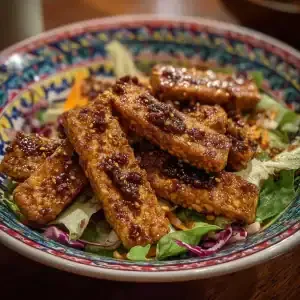
Plant-based diets are more than just a passing trend—they’re a movement reshaping how we think about food. And when it comes to culinary traditions that have long embraced the power of plants, Asian cuisine shines as a standout example. Now, with a wave of modern innovation, plant-based alternatives are taking these traditions to new heights, making it easier than ever to savor your favorite Asian dishes without sacrificing flavor or heritage. So, what makes Asian cuisine such a perfect match for plant-based eating?

Tempeh
The Roots of Plant-Based Eating in Asia
Plant-based diets aren’t a modern fad in Asia—they’ve been thriving for centuries. Many Asian cultures have deep ties to vegetarianism, often rooted in philosophy or religion. Take Buddhism, for example, which has shaped food practices in places like China, Japan, and Thailand. Compassion for all living beings often translates into meat-free meals. In India, Hinduism and Jainism have long championed vegetarian diets, making plant-based eating a way of life for millions.
This rich history means that adapting Asian dishes to a plant-based diet isn’t about forcing a square peg into a round hole—it’s about celebrating a legacy. So, when we swap out meat for tofu or seitan, we’re not just innovating; we’re honoring traditions that have been around longer than most of us can fathom.
Regional Plant-Based Twists
Asia’s culinary landscape is vast, so let’s zoom in on some popular dishes and their plant-based makeovers, region by region.
Chinese Cuisine
Chinese food is all about balance—sweet, sour, salty, and spicy dancing together in every bite. Take Peking duck, a dish famous for its crispy skin and tender meat. Plant-based versions swap duck for tofu skin or seitan, marinated with hoisin and spices, then roasted to perfection. The result? A crispy, flavorful stand-in that’s tough to distinguish from the original.
Then there’s Kung Pao chicken, a spicy stir-fry that’s a takeout staple. Sub in diced tofu or tempeh, and you’ve got a dish that’s just as punchy and satisfying. The peanuts, chilies, and that tangy sauce still steal the show—who needs chicken?

Tofu
Japanese Cuisine
Sushi might be the poster child of Japanese cuisine, and yes, it’s often fish-centric. But plant-based sushi is a revelation! Avocado and cucumber rolls are classics, but why stop there? Marinated shiitake mushrooms or grilled eggplant add depth and umami. Ever tried a vegan sushi roll? It’s light, fresh, and surprisingly hearty.
Ramen’s another winner. Swap the pork broth for a veggie base spiked with miso, soy sauce, and seaweed, then pile on tofu, nori, and scallions. It’s a steaming bowl of comfort that proves plant-based doesn’t mean flavorless.
Indian Cuisine
India’s a goldmine for plant-based eaters. With so many vegetarian dishes already in the mix, adaptations are a breeze. Butter chicken, creamy and rich, becomes a vegan dream with tofu or chickpeas swimming in a tomato-cashew sauce. It’s indulgent enough to fool any skeptic.
Biryani, that fragrant rice dish, traditionally features meat, but jackfruit or a veggie medley steps up beautifully. Spiced with saffron and cloves, it’s a celebration on a plate—perfect for sharing or hoarding all to yourself.
Southeast Asian Cuisine
Southeast Asia brings the heat with dishes like Thai green curry and Vietnamese pho. For curry, ditch the meat and lean on tofu or veggies, letting coconut milk and lemongrass work their magic. Pho’s veggie broth, simmered with star anise and cinnamon, pairs perfectly with tofu, mushrooms, and fresh herbs.
Tempeh shines here, too. This nutty, fermented soybean block is a Southeast Asian staple—think Indonesian satay skewers or a crispy stir-fry. It’s got texture, flavor, and protein—what more could you ask for?
Tempeh
Cooking Tips for Plant-Based Asian Success
Ready to whip up some plant-based Asian goodness at home? Here are a few pointers to set you up for success:
- Hunt Down the Good Stuff: Hit up an Asian market for tofu, tempeh, and seitan. Bonus points if you snag some miso or gochujang while you’re at it.
- Marinade Magic: Soy sauce, ginger, and garlic are your flavor MVPs. Let your ingredients soak up those vibes for maximum impact.
- Texture Play: Silky tofu in soups, firm tofu for frying, chewy seitan for “meatiness”—mix it up to keep things interesting.
- Flavor Balance: Aim for that sweet-sour-salty-spicy harmony. Taste as you go, and don’t skimp on the herbs!
My Plant-Based Asian Adventure
I’ll let you in on a little story. Growing up, mapo tofu was my comfort food—spicy, saucy, and loaded with ground pork. When I went plant-based, I thought I’d never enjoy it again. Then I tried a vegan version, with silken tofu stealing the spotlight in that fiery sauce. I was floored. It wasn’t just “good enough”—it was better. That moment sparked a love affair with plant-based Asian cooking, from sushi experiments to tempeh triumphs. Every dish feels like a mini victory, and I’m hooked.
Wrapping It Up
Plant-based alternatives in Asian cuisine are proof that you don’t need meat to enjoy bold, authentic flavors. Whether it’s a vegan sushi roll or a spicy tofu curry, these dishes are packed with history, creativity, and downright deliciousness. So, why not give it a whirl? Start simple—maybe a tofu stir-fry or a veggie pho—and see where it takes you.
Got a favorite plant-based Asian dish? Tried something new lately? Drop it in the comments—I’d love to swap stories and recipes with you. After all, who knew a humble soybean could be the star of so many culinary masterpieces? Happy cooking, friends!
*This post may contain affiliate links which means I may earn commissions for purchases made through links at no extra cost to you. See https://asianfoodsdaily.com/disclaimer/* for more infomation
Post your Comment
0 Comments
No comments yet. Be the first to share your thoughts!