Japanese vs Korean BBQ: Techniques, Sauces, and Best Dishes
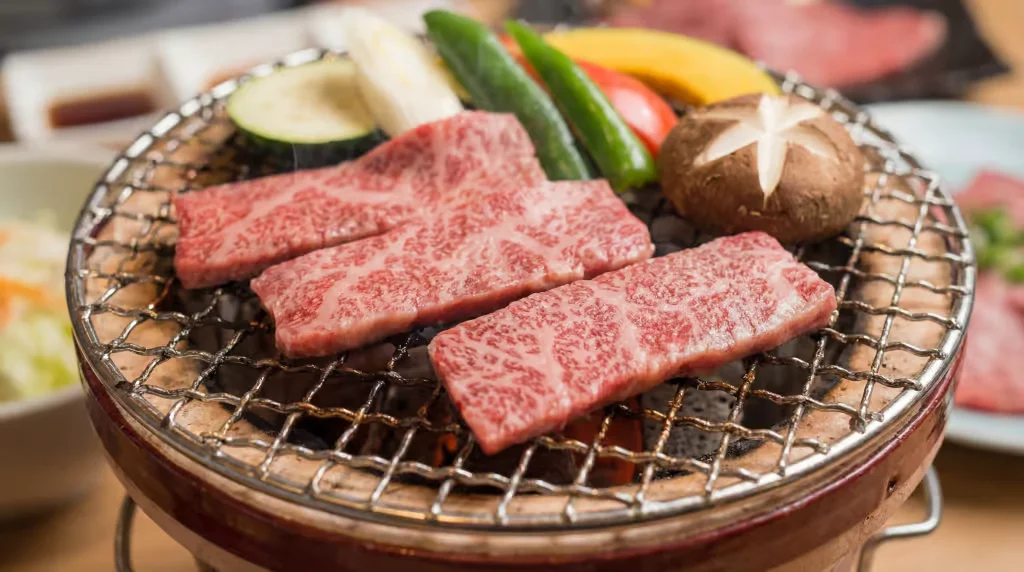
Ever stood in front of two BBQ restaurants—one Japanese, one Korean—and had no clue which door to walk through? You’re not alone. This guide breaks down Japanese BBQ vs Korean BBQ so you can finally pick your perfect grill night. Whether you’re a meat lover looking for your next obsession or hosting friends and want to impress them, I’ve got you covered.

Why Both Techniques Matters for Your Next Meal
Here’s the thing. Both styles are incredible. But they’re completely different experiences. Japanese BBQ (called yakiniku) focuses on the pure taste of high-quality meat. Korean BBQ (gogigui) brings bold marinades, tons of side dishes, and a whole ritual around the meal.
Understanding the yakiniku vs gogigui techniques helps you choose what mood you’re in. Want something clean and refined? Go Japanese. Craving bold flavors with lots of extras? Korean’s your jam.
A Night That Changed How I See Japanese vs Korean BBQ
Let me tell you about the night everything clicked for me.
I was in Seoul with my buddy Marcus. We’d been hitting Korean BBQ spots all week. Samgyeopsal, bulgogi, the works. Korean banchan vs Japanese sides comparison wasn’t even on my radar back then—I just knew I loved all those little dishes showing up at the table.
Then Marcus said, “Let’s try something different tonight.” He dragged me to this tiny yakiniku place run by a Japanese expat. The restaurant was smaller than my apartment. Maybe eight seats total.
The owner didn’t speak much English or Korean. He just handed us wagyu, pointed at the grill, and made a quick dipping motion toward a small bowl of tare sauce. That was it. No banchan parade. No lettuce wraps. Just meat, fire, and that sauce.
First bite? I actually closed my eyes. The beef melted. The tare sauce was this salty-sweet thing that made the meat sing without covering it up.
That’s when I understood Japanese vs Korean BBQ isn’t about better or worse. It’s about what experience you want. Korean BBQ is a party. Japanese BBQ is meditation. Both are perfect in their own way.

Ingredients You’ll Need for Both Styles
Want to recreate these experiences at home? Here’s your shopping list with quick explanations:
For Japanese BBQ (Yakiniku)
- Thinly sliced beef – Ribeye or short rib work great. Thin cuts cook fast and stay tender.
- Tare sauce – Soy sauce, mirin, sake, sugar, garlic. This is your Korean BBQ marinades vs Japanese tare sauce difference right here—tare is for dipping, not marinating.
- Sesame oil – Just a touch for richness.
- Salt and pepper – High-quality meat needs minimal seasoning.
- Lemon wedges – Brightness cuts through the fat.
- Rice – Short grain, sticky. Essential.
For Korean BBQ
- Pork belly or beef short ribs – Best Korean BBQ dishes bulgogi starts with the right cut.
- Bulgogi marinade – Soy sauce, pear juice, sesame oil, garlic, ginger. Marinate at least 2 hours.
- Gochujang – Spicy fermented paste. Adds that signature Korean kick.
- Lettuce leaves – For wrapping. Butterhead lettuce works best.
- Banchan – Kimchi, pickled radish, bean sprouts. Korean banchan vs Japanese sides comparison shows up big here—Korean meals mean lots of small dishes.
- Ssamjang – Dipping sauce for your wraps.
How I Make Both Japanese & Korean BBQ at Home
Japanese Yakiniku Style
- Make your tare sauce first. Combine 1/2 cup soy sauce, 2 tbsp mirin, 1 tbsp sake, 1 tbsp sugar, and minced garlic. Simmer until sugar dissolves. Cool completely.
- Slice your meat thin. Pop it in the freezer for 20 minutes first—makes slicing way easier.
- Heat your grill screaming hot. Japanese vs Korean grilling methods differ here. Yakiniku wants intense, direct heat.
- Cook quick. 30 seconds per side, max. You want a good sear but still pink inside.
- Dip and eat immediately. That tare sauce does all the work. Maybe squeeze some lemon on top.
Korean BBQ Style
- Marinate your meat. For bulgogi, blend one Asian pear with soy sauce, sesame oil, garlic, and ginger. Soak that meat for at least 2 hours. Overnight is better.
- Prep your banchan. Set out kimchi, pickled vegetables, and any other sides. This spread matters.
- Grill at medium-high heat. Korean style isn’t as aggressive. You want the marinade to caramelize, not burn.
- Build your wrap. Lettuce, meat, rice, ssamjang, maybe some garlic. Fold and stuff the whole thing in your mouth. One bite. That’s the rule.
Tips That Make a Real Difference
- For Japanese BBQ: Invest in quality meat. Since you’re barely seasoning it, the beef quality shows. Best Japanese BBQ dishes yakiniku depends entirely on your ingredients.
- For Korean BBQ: Don’t skip the banchan. Those little dishes aren’t garnish—they’re essential to how to choose between Japanese and Korean BBQ experiences.
- Temperature matters. Get a proper meat thermometer. Overcooking ruins both styles.
- Fresh garlic at the table. Both cuisines use it, but Korean BBQ often grills whole cloves right alongside the meat.

Easy Variations to Try
Japanese twist: Add wasabi to your tare sauce for heat. Or try yuzu kosho—citrusy and spicy.
Korean twist: Make cheese-filled lettuce wraps. Yes, it’s a thing. Mozzarella melted on the grill, wrapped with bulgogi. Life-changing.
Fusion move: Use Japanese cuts with Korean marinades. Yakiniku vs gogigui techniques can mix when you’re cooking at home. Nobody’s checking your authenticity papers.
Equipment You’ll Need
- Tabletop grill – Electric works for apartments. Charcoal if you’ve got outdoor space.
- Long tongs – Keep your hands away from the heat.
- Small dipping bowls – Multiple sauces need multiple vessels.
- Sharp knife – Thin slices require a blade that can actually cut.
- Meat scissors – Korean BBQ uses these for cutting meat on the grill. Game changer.
Storage and Reheating Advice
Raw marinated meat: Keeps 2-3 days in the fridge. Don’t push it.
Cooked leftovers: Honestly? Both styles are best fresh. But if you must, refrigerate immediately. Reheat in a hot pan, not the microwave. Microwaving makes the meat rubbery and sad.
Tare and sauces: Store in airtight containers. Tare keeps for weeks. Ssamjang even longer.
Frequently Asked Questions
What are the main Japanese vs Korean BBQ differences?
Japanese yakiniku focuses on premium meat quality with minimal seasoning—you dip after cooking. Korean BBQ uses bold marinades before grilling and includes lots of side dishes and wraps. The yakiniku vs gogigui techniques reflect different food philosophies entirely.
Is Japanese or Korean BBQ healthier?
Japanese BBQ tends to be lighter since it skips heavy marinades and sugary sauces. Korean BBQ has more sodium from the marinades but includes more vegetables through banchan. Neither is “health food,” but portion control is your friend with both.
What’s the best meat for beginners trying Japanese vs Korean BBQ?
For Japanese, start with well-marbled ribeye. It’s forgiving and flavorful. For Korean, bulgogi (thin-sliced marinated beef) is classic and hard to mess up. Both are great entry points for understanding how to choose between Japanese and Korean BBQ.
Can I use the same grill for both styles?
Absolutely. A basic tabletop grill works for Japanese vs Korean grilling methods. Korean restaurants often use dome-shaped grills to let fat drain away, but it’s not required at home.
What’s the biggest mistake people make with Japanese vs Korean BBQ?
Overcooking the meat. Both styles use thin cuts that cook in seconds. Walk away for a minute and you’ve got leather. Stay present, flip quick, and eat immediately.
Final Note
Look. Both are amazing. You really can’t go wrong. Japanese BBQ vs Korean BBQ comes down to your mood. Want simplicity and premium ingredients? Yakiniku. Want a feast with variety and bold flavors? Korean gogigui.
My advice? Try both. Often. Then figure out which one speaks to you. Or just embrace both like I did after that night in Seoul. Life’s too short to pick just one style of grilled meat.
Fire up that grill. You’ve got this.
*This post may contain affiliate links which means I may earn commissions for purchases made through links at no extra cost to you. See https://asianfoodsdaily.com/disclaimer/* for more infomationicle here…
Post your Comment
0 Comments
No comments yet. Be the first to share your thoughts!