Boba Tea Evolution
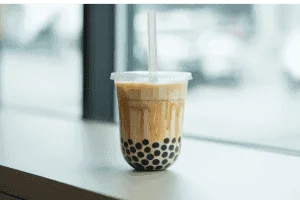
When my grandmother poured me my first cup of oolong tea at age seven, she taught me about respect for tea traditions that span centuries. Today, watching rainbow-swirled “unicorn” bubble teas flood social media makes me wonder – are we losing something precious in the rush to make tea “Instagram-worthy”?

Boba Tea
The Rise of Modern Boba Culture
Traditional Asian tea culture emphasizes mindfulness, connection, and appreciation for subtle flavors. Yet walk into any modern boba shop and you’ll find a dizzying array of artificial syrups, processed toppings, and drinks designed more for photos than flavor.
What’s Changed? • Original bubble tea: Fresh tea, tapioca pearls, minimal sweetness • Modern versions: Artificial flavors, excessive sugar, unusual add-ins • Focus shift: From taste and tradition to visual appeal • Marketing priority: Social media engagement over authenticity
The Real Cost of “Innovation”
While creativity drives food culture forward, many new boba trends actively work against traditional tea appreciation:
Traditional Tea Values vs Modern Boba Trends
- Quality tea leaves → Powdered tea substitutes
- Natural ingredients → Artificial flavors and colors
- Balanced sweetness → Extreme sugar levels
- Tea ceremony rituals → Quick-serve convenience
- Multi-generational knowledge → Viral marketing trends
“My regular customers now ask for ‘cheese foam’ and ‘brown sugar syrup’ instead of wanting to learn about our premium oolong varieties,” shares David Chen, a third-generation tea shop owner in San Francisco’s Chinatown.
Impact on Asian Drink Heritage
The commercialization of boba tea raises valid concerns:
Cultural Disconnection • Younger generations losing touch with traditional tea customs • Ancient brewing methods being forgotten • Sacred tea ceremonies reduced to Instagram opportunities • Deep cultural meanings replaced by superficial trends
Economic Pressures Traditional tea shops struggle to compete with flashy modern chains offering:
- Eye-catching presentations
- Novel flavor combinations
- Heavy social media presence
- Appeal to younger demographics
Quality Compromises • Mass-produced tapioca pearls • Artificial milk substitutes • Pre-mixed flavor syrups • Standardized recipes lacking craft
Boba Tea
Finding Middle Ground
Not all innovation means loss of tradition. Some modern shops successfully bridge old and new:
Smart Adaptations:
- Using quality tea bases for creative drinks
- Educating customers about tea origins
- Incorporating traditional elements respectfully
- Balancing innovation with authenticity
“We can preserve what matters while still having fun,” explains Sarah Kim, owner of Tea Roots in Seattle. “Each drink tells a story – some old, some new.”
The Path Forward
Supporting authentic Asian drink culture while embracing change:
For Consumers: • Learn about traditional tea varieties • Ask about tea origins and preparation • Support shops using quality ingredients • Appreciate subtle flavors • Challenge yourself beyond trendy drinks
For Shop Owners: • Educate staff about tea culture • Offer both traditional and modern options • Source authentic ingredients • Share cultural context • Maintain quality standards
Boba Tea
Understanding Over Judgment
This isn’t about declaring modern boba “wrong.” It’s about recognizing what we might lose if trends completely overshadow tradition.
A balanced perspective helps us:
- Appreciate innovation without losing heritage
- Enjoy modern drinks mindfully
- Support authentic tea culture
- Create meaningful connections through tea
Personal Reflection
Growing up between cultures, I’ve learned tradition and innovation can coexist. My grandmother’s careful tea preparation taught me patience. Today’s creative boba shops show me joy. Both have value.
The question becomes: How do we preserve cultural essence while welcoming change?
Taking Action
Simple ways to support authentic tea culture:
- Visit traditional tea houses
- Learn proper brewing techniques
- Try classic tea varieties
- Share tea knowledge with others
- Support shops balancing old and new
Looking Ahead
The future of Asian drink culture depends on conscious choices by consumers and businesses alike. We can embrace fun trends while protecting precious traditions.
Questions for Thought:
- What makes a drink “authentic”?
- How can innovation respect tradition?
- Where do we draw the line?
- What traditions matter most?
Final Thoughts
Change is inevitable, but loss of cultural heritage isn’t. By understanding what’s at stake, making informed choices, and supporting authentic practices, we can help preserve meaningful traditions while enjoying modern creativity.
Remember: Every cup of tea tells a story. Which stories will we choose to keep telling?
*This post may contain affiliate links which means I may earn commissions for purchases made through links at no extra cost to you. See https://asianfoodsdaily.com/disclaimer/* for more infomation
Post your Comment
0 Comments
No comments yet. Be the first to share your thoughts!