7 Asian Breakfast Dishes Healthier Than Avocado Toast
Avocado toast might be your go-to for a healthy breakfast, but Asia’s got a lineup of morning meals that are just as nutritious—and way more exciting! These dishes are packed with flavor, nutrients, and variety, often outshining avocado toast with their unique health benefits.

Asian Breakfast Dish
1. Congee (China)
Dish Introduction: Congee is a warm, creamy rice porridge that’s a breakfast favorite across China. It’s simple, soothing, and endlessly customizable. What Makes It Special: Low in calories and easy on the stomach, congee hydrates you while serving as a canvas for healthy toppings like lean chicken, fish, or veggies. Tips and Tricks: Swap white rice for brown to boost fiber and nutrients.
2. Miso Soup (Japan)
Dish Introduction: This Japanese classic features fermented soybean paste (miso) in a light broth with tofu, seaweed, and green onions. What Makes It Special: Miso’s probiotics support gut health, and the dish is low-calorie yet nutrient-dense with add-ins like seaweed (iodine-rich) and tofu (protein-packed). Tips and Tricks: Opt for low-sodium miso to keep it heart-healthy.

Asian Breakfast Dish
3. Idli with Sambar (India)
Dish Introduction: Idli are fluffy, steamed cakes made from fermented rice and lentil batter, paired with sambar—a lentil and veggie stew. What Makes It Special: The fermentation boosts nutrient absorption, while lentils deliver protein and fiber. Sambar’s veggies add vitamins galore. Tips and Tricks: Let the batter ferment overnight for the fluffiest idli.
4. Cheong Fun (Hong Kong)
Dish Introduction: These silky steamed rice noodle rolls are often stuffed with shrimp, beef, or vegetables and drizzled with soy sauce. What Makes It Special: Steaming keeps it light and preserves nutrients. Load it with veggies or lean protein for a balanced bite. Tips and Tricks: Homemade batter beats store-bought for freshness.

Asian Breakfast Dish
5. Dosai with Chutney (India)
Dish Introduction: Dosai (or dosa) is a crispy, fermented rice-and-lentil crepe, usually served with coconut chutney. What Makes It Special: High in protein and fiber, it’s digestion-friendly thanks to fermentation. The chutney adds healthy fats from coconut. Tips and Tricks: Use a non-stick pan to cut down on oil.
6. Bibimbap (Korea)
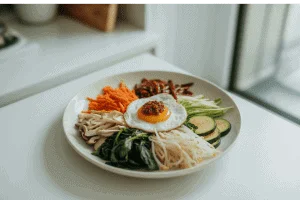
Dish Introduction: Bibimbap is a colorful Korean dish with rice, sautéed veggies, a fried egg, and sometimes lean meat, mixed with spicy gochujang. What Makes It Special: It’s a nutrient powerhouse—tons of veggies, lean protein, and just a little rice for balance. Tips and Tricks: Prep veggies ahead for a fast morning assembly.
7. Pho (Vietnam)
Dish Introduction: Pho is a fragrant noodle soup with beef or chicken broth, rice noodles, fresh herbs, and meat slices. What Makes It Special: Bone broth offers collagen, while herbs and veggies bring antioxidants. Go lean with the meat for a lighter bowl. Tips and Tricks: Batch-cook the broth and freeze for convenience.
Common Mistakes to Avoid
- Overcooking: Grains and noodles can turn mushy—watch your timing!
- Over-Salting: Skip excess soy sauce or salt; use herbs instead.
- Skipping Fermentation: For idli and dosai, fermentation is non-negotiable for flavor and nutrition.
Make-Ahead Tips
- Cook congee or pho broth in bulk and refrigerate or freeze.
- Ferment idli/dosai batter days in advance—it keeps in the fridge.
- Chop bibimbap veggies or miso soup add-ins the night before.
Recipe Variations
- Vegan Congee: Use veggie broth, tofu, and mushrooms.
- Gluten-Free Pho: Check broth and sauces for gluten.
- Protein Boost: Add quinoa to congee or extra tofu to miso soup.
How to Serve
- Congee: Top with pickled veggies or a soft-boiled egg.
- Miso Soup: Serve in a small bowl with a side of rice.
- Idli/Dosai: Plate with chutney or a dollop of yogurt.
Pairing Suggestions
- Pair pho with a light herbal tea.
- Enjoy bibimbap with kimchi for a probiotic kick.
- Sip warm soy milk with cheong fun.
How to Store
- Congee: Airtight container, fridge, 3 days.
- Miso Soup: 2 days in the fridge—add fresh toppings when reheating.
- Idli/Dosai Batter: Fridge, up to a week.
Equipment Needed
- Rice cooker or slow cooker (congee).
- Steamer (idli, cheong fun).
- Non-stick pan (dosai).
Dietary Adaptations
- Vegan: Swap meat for tofu or tempeh in pho/bibimbap.
- Gluten-Free: Use tamari instead of soy sauce.
Seasonal Adaptations
- Summer: Add cucumber or mint to pho or congee.
- Winter: Toss in ginger or cinnamon for warmth.
Kitchen Hacks
- Pressure-cook congee or pho broth to save time.
- Freeze chutney or sambar in small batches.
Recipe FAQs
- Can I use other grains in congee? Yep—oats or quinoa work great!
- Is miso soup breakfast-friendly? Totally, it’s light and energizing.
- How do I stop idli from sticking? Lightly oil the molds first.
Ingredients (Sample for Congee)
- 1/2 cup brown rice
- 6 cups water or broth
- 1-inch ginger, sliced
- Toppings: shredded chicken, green onions, spinach
Instructions (Sample for Congee)
- Rinse rice and add to a pot with water/broth and ginger.
- Bring to a boil, then simmer 1-2 hours, stirring occasionally.
- Add toppings, season to taste, and serve hot.
Conclusions
These seven Asian breakfasts prove you don’t need avocado toast to start your day right. With options like protein-rich idli, veggie-packed bibimbap, and soothing pho, you’re spoiled for choice. They’re healthy, delicious, and a fun way to mix things up. Which one’s calling your name? Drop a comment below—I’d love to hear what you try!
*This post may contain affiliate links which means I may earn commissions for purchases made through links at no extra cost to you. See https://asianfoodsdaily.com/disclaimer/* for more infomation
Post your Comment
0 Comments
No comments yet. Be the first to share your thoughts!